

-
-
-
-
Service
-
Contact Us

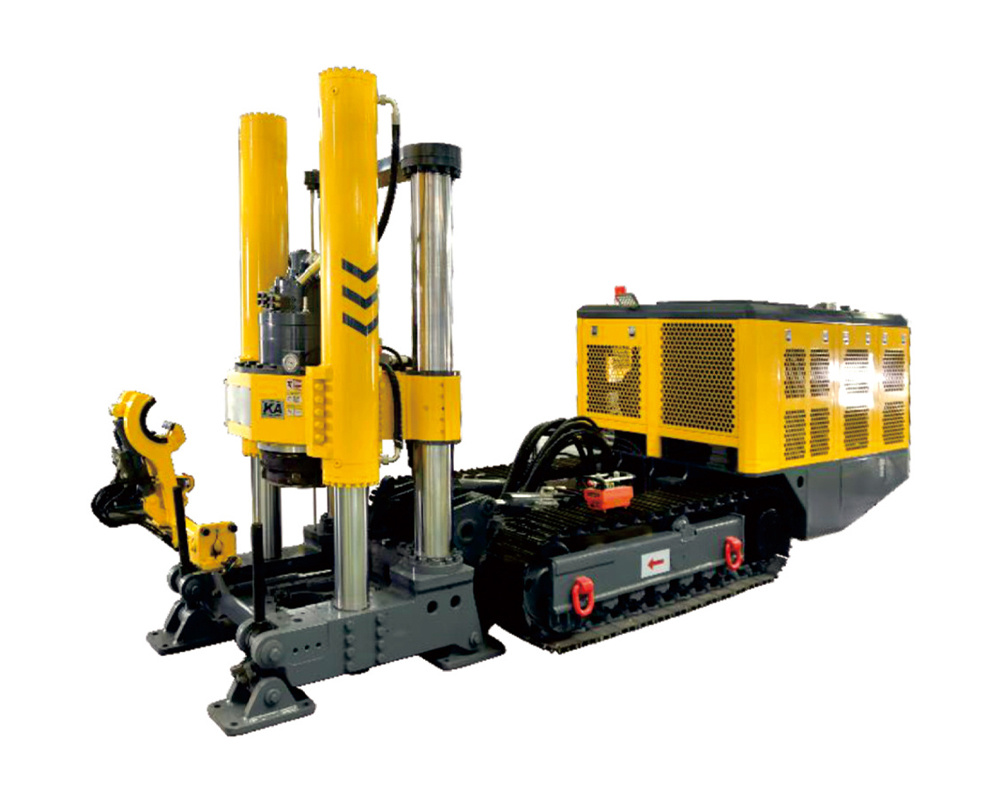
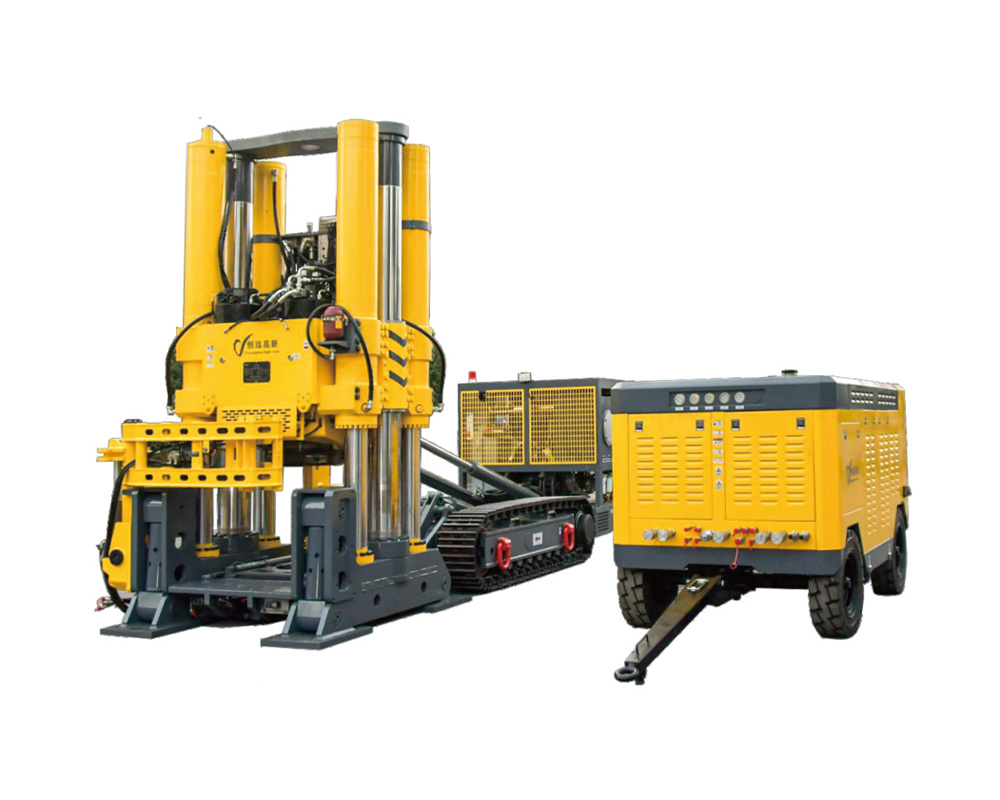
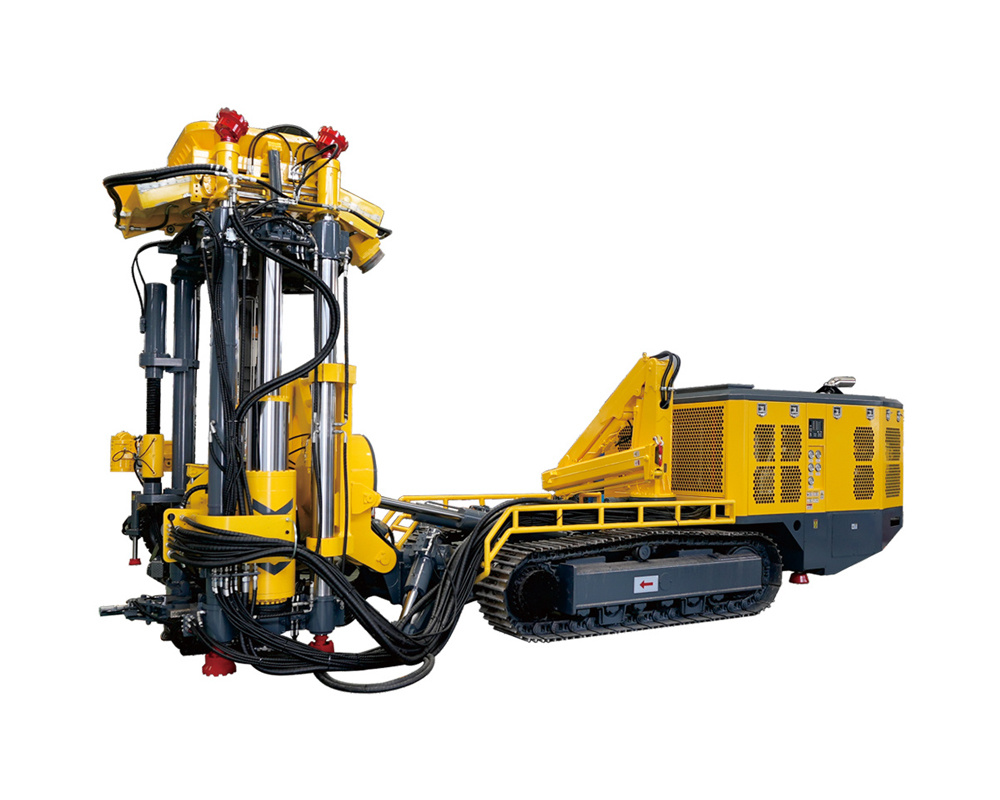
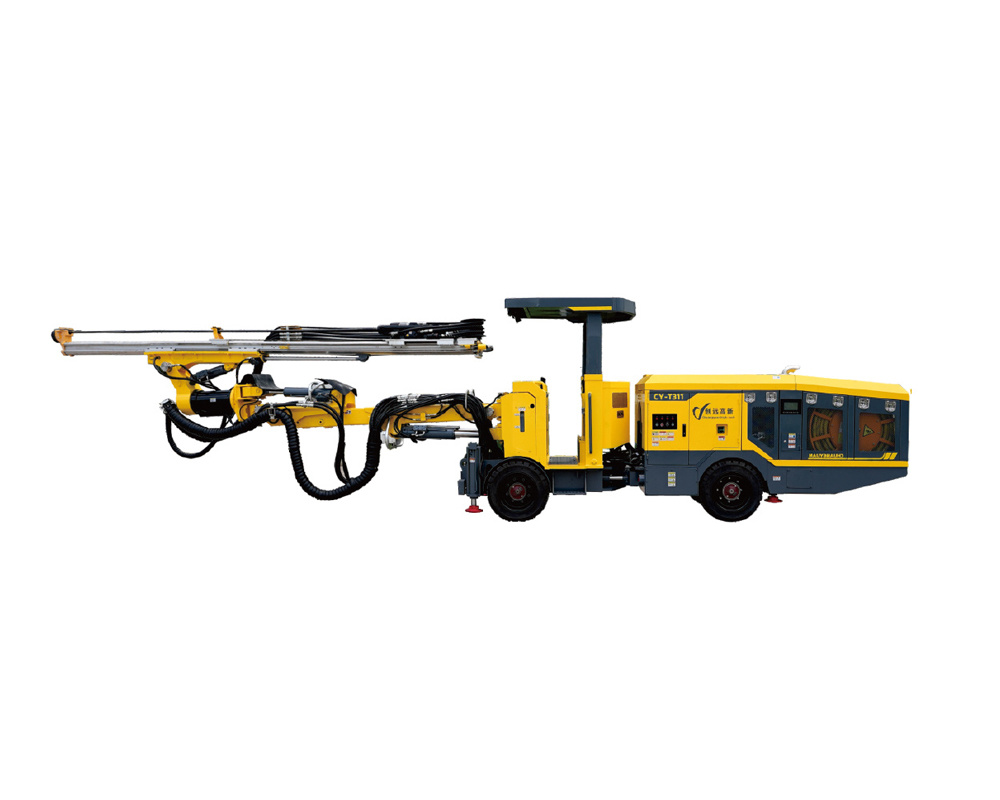
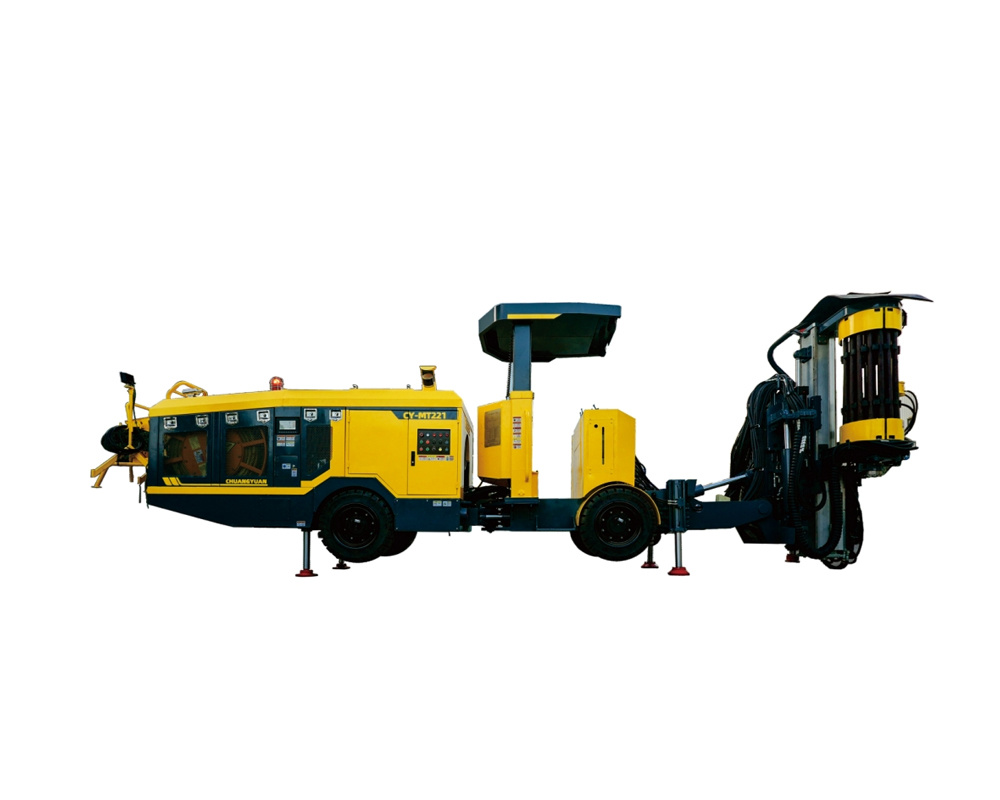
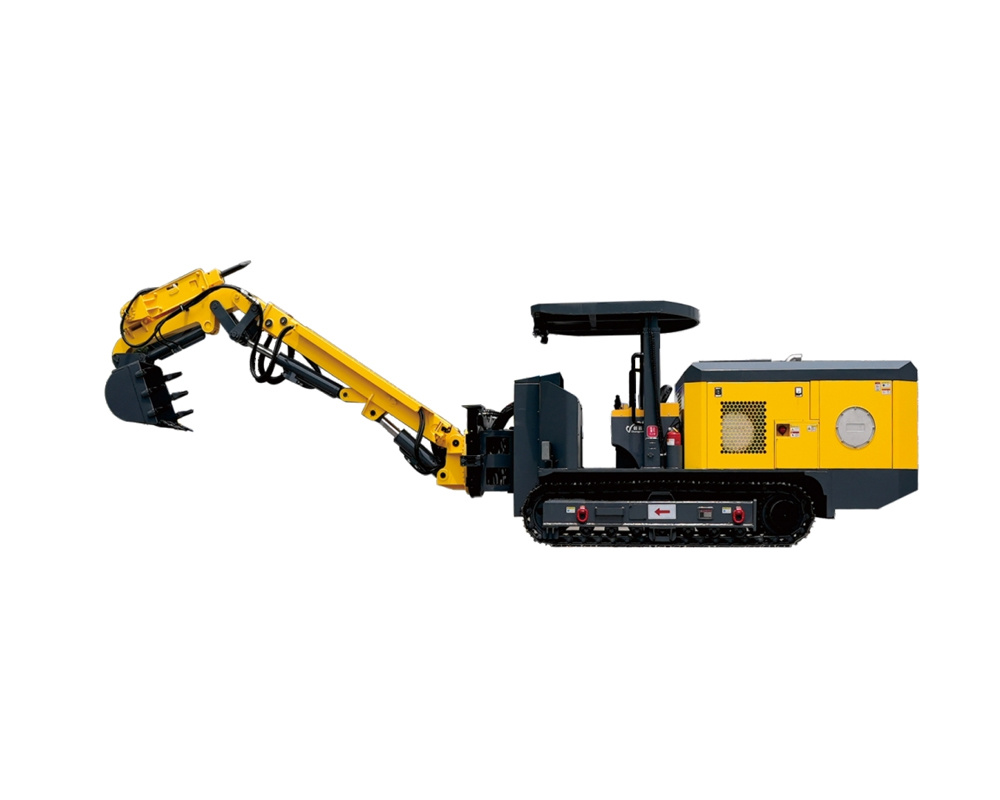
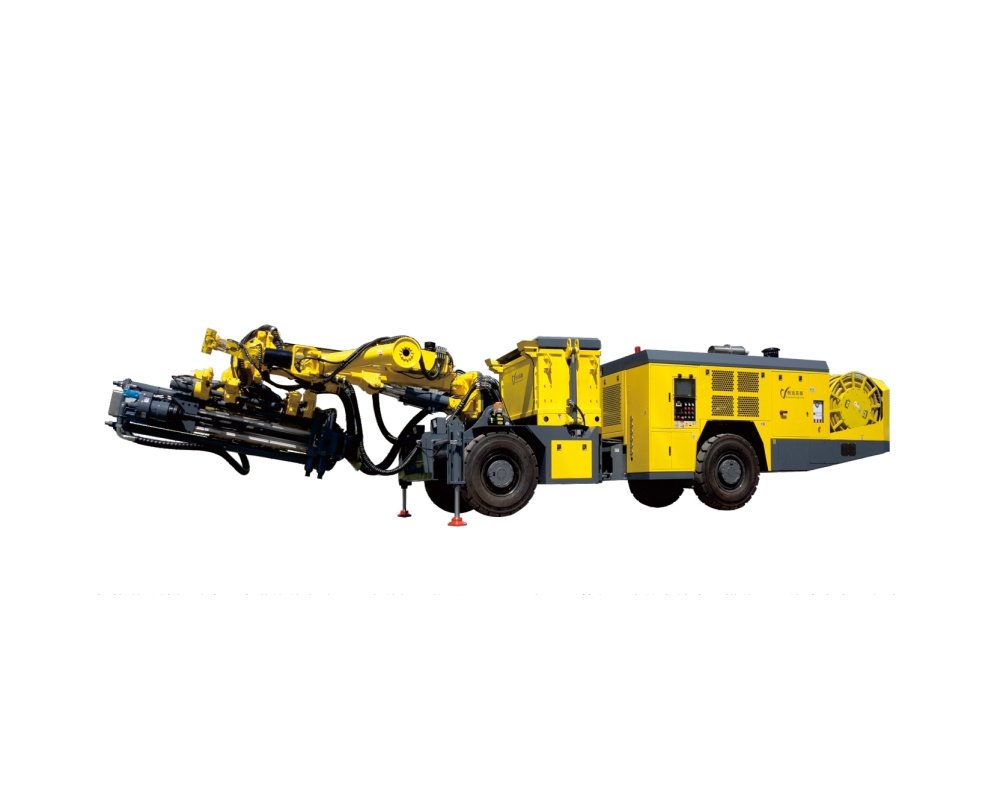
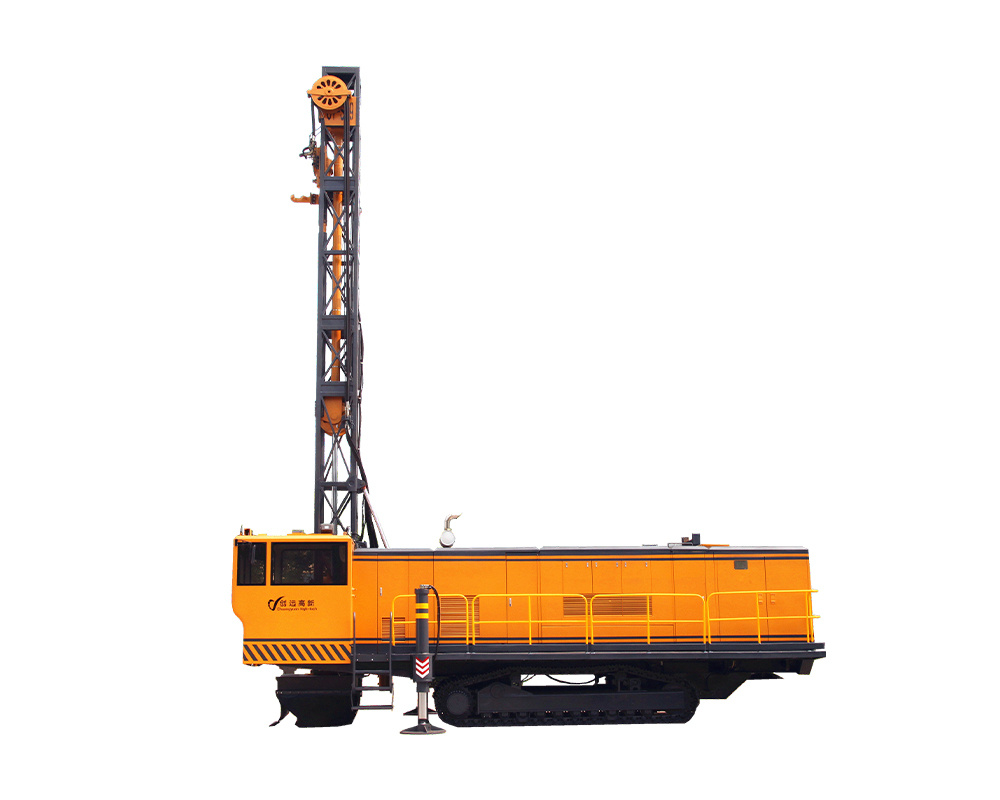
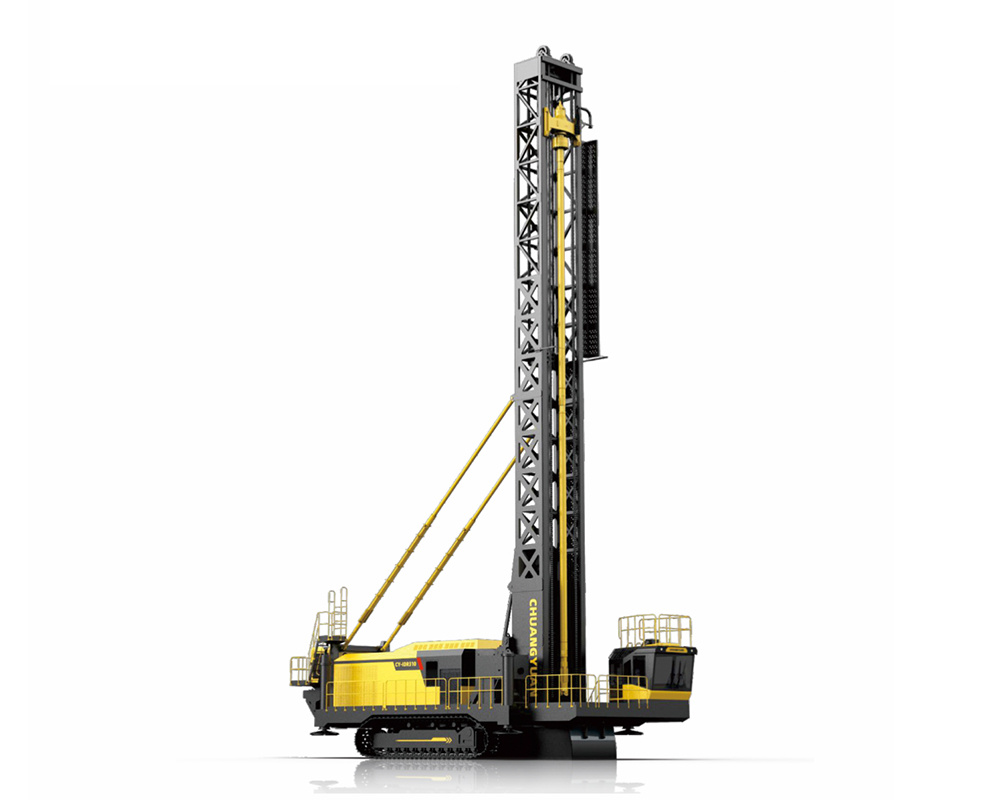
Roadheader for Underground Mining: Smarter Tunneling for Challenging Underground Work
2026-09-11
Building a More Efficient Approach to Underground Excavation
Underground mining requires equipment that can work reliably in confined, demanding environments while maintaining a practical balance between excavation capability, mobility, operator control, and maintenance. As mining operations move toward safer and more intelligent production methods, modern tunneling equipment is increasingly expected to do more than simply break rock. It needs to support coordinated work, adapt to different geological conditions, and fit naturally into an integrated mining workflow.
A well-designed Roadheader for underground mining can become an important part of this approach. Modern equipment in this category can combine drilling, excavation, mobility, hydraulic systems, and intelligent control into a coordinated platform. The multi-arm tunneling drilling solution featured on the supplied product page, for example, uses a modular structure intended to make transportation and relocation more practical. It is positioned for underground applications including mining as well as tunnel construction and other demanding excavation environments.

Multi-Arm Design for More Flexible Tunneling
One of the most meaningful developments in underground excavation equipment is the ability to coordinate several working functions within one machine. Instead of relying entirely on separate operations, a multi-arm configuration can allow different arms to perform drilling and excavation-related tasks with greater coordination.
The product information describes a three-arm arrangement with independently controlled arms, supporting coordinated slotting and rock-drilling operations. Its extended propulsion design is intended to support deeper drilling work, while a dual-propeller configuration provides broader working coverage.
For mining contractors, this type of configuration can provide greater flexibility when working faces change. Different sections of a tunnel may require different working angles or drilling positions, and independent arm movement can help operators respond to those requirements without constantly repositioning the entire machine.
The value of a Roadheader for underground mining therefore lies not only in cutting or drilling capability, but also in how effectively the equipment connects multiple operations into a practical workflow. When mechanical structure, hydraulic control, drilling equipment, and operator interfaces are designed together, the machine can become a more useful tool for complex underground production.
Intelligent Technology Meets Practical Machine Design
Automation and intelligent control are becoming increasingly important in modern mining. However, useful intelligence should not make equipment unnecessarily complicated for operators. The better approach is to use technology where it can simplify work, improve positioning, support monitoring, and reduce unnecessary manual intervention.
Modern underground equipment can incorporate guided operating systems, intelligent drilling control, positioning functions, remote operation, and data connectivity. The manufacturer's product range highlights guided interaction and intelligent operating concepts intended to make machine operation more intuitive while supporting the broader digital transformation of mining.
This direction reflects a wider change in the mining industry. Instead of treating equipment as an isolated mechanical product, manufacturers are increasingly considering how machines communicate with people, other equipment, and mine-management systems.
For a Roadheader for underground mining, this can translate into better operational visibility and more adaptable working methods. Intelligent functions can support operators without replacing the importance of practical mechanical reliability. The most useful innovations are those that make difficult underground work more manageable while keeping the machine understandable and serviceable.
Manufacturing Quality Starts Before Assembly
The reliability of heavy underground equipment depends on much more than its final appearance. A machine designed for demanding excavation conditions must be supported by a manufacturing process that pays attention to structural strength, component compatibility, machining accuracy, hydraulic integration, electrical systems, and final assembly.
A quality-focused factory process begins with controlled material sourcing and incoming inspection. Structural components then move through appropriate fabrication and machining processes before being checked for dimensional consistency. Key assemblies must be matched carefully so that mechanical, hydraulic, electrical, and control systems work together as intended.
Assembly is followed by systematic inspection and functional testing. For underground equipment, this stage is especially important because problems that seem minor during workshop operation can become much more difficult to resolve after the machine enters a working mine. Careful testing helps identify issues before delivery and provides greater confidence for customers preparing equipment for demanding projects.
The manufacturer's published service information also emphasizes controlled material channels, processing accuracy, assembly quality, and inspection procedures as part of its quality approach. This illustrates why manufacturing quality should be viewed as a complete process rather than a final inspection step.
Designed for the Realities of Underground Mining
Every underground project has its own combination of geological conditions, tunnel geometry, transportation limitations, production requirements, and working practices. A machine that performs well in one environment may require a different configuration or operating strategy in another.
This is why flexibility is an important part of modern tunneling equipment. Modular construction can make transportation and relocation easier, while adaptable drilling and arm configurations can help equipment respond to different working faces. The supplied product page specifically highlights modular design and applications across mining, transportation infrastructure, water-related construction, and other tunnel projects.
A dependable Roadheader for underground mining should therefore be considered as part of the complete excavation process. Equipment selection should take into account the working environment, access conditions, required excavation method, maintenance resources, operator experience, and future project plans.
This application-oriented mindset also creates opportunities for customization. A professional manufacturer can evaluate project conditions and recommend suitable equipment configurations, control functions, drilling arrangements, and supporting services instead of treating every customer requirement as identical.
Service That Continues After Delivery
Heavy mining equipment is a long-term investment. The relationship between a manufacturer and customer should not end when the machine leaves the factory. Installation support, commissioning, troubleshooting, maintenance guidance, remote assistance, spare-parts coordination, and equipment improvement can all influence the actual value of the product throughout its working life.
The manufacturer's published service information describes an approach that combines warranty support with ongoing service, inspections, equipment monitoring, customer records, and product improvement based on specific mine conditions. Such a service philosophy recognizes an important reality: underground conditions can change, and equipment needs may evolve as projects progress.
For buyers researching a Roadheader for underground mining, communication with the manufacturer before purchasing can therefore be just as important as comparing technical features. Discussing the geological environment, tunnel application, transportation conditions, expected workload, and maintenance requirements can help determine whether a particular configuration is appropriate.
Modern tunneling equipment is ultimately about more than excavation power. It represents the combination of mechanical engineering, intelligent technology, manufacturing discipline, and long-term service. When these elements work together, mining companies can pursue safer, more efficient, and more adaptable underground operations.
If you are evaluating equipment for an underground mining or tunneling project, contacting the manufacturer with your project requirements can be a practical next step. A detailed discussion can help clarify suitable configurations, application possibilities, customization needs, and service support before equipment selection is finalized.
Related Recommendations
Contact Information
Service Hotline:
400-873-5166
Email:
hncy9988@126.com
Address:
Building C-3, Huanchuang Park, No. 2450, Yuelu West Avenue, Changsha Hi-Tech Development Zone, China

What can we help you find?
Address: Building C3, Huanchuang Enterprise Plaza, 2450 Yuelu Avenue West, Changsha, Hunan Province, P.R.C.
Copyright © 2025 Hunan Chuangyuan HIGH-TECH Machinery Co., Ltd.