

-
-
-
-
Service
-
Contact Us

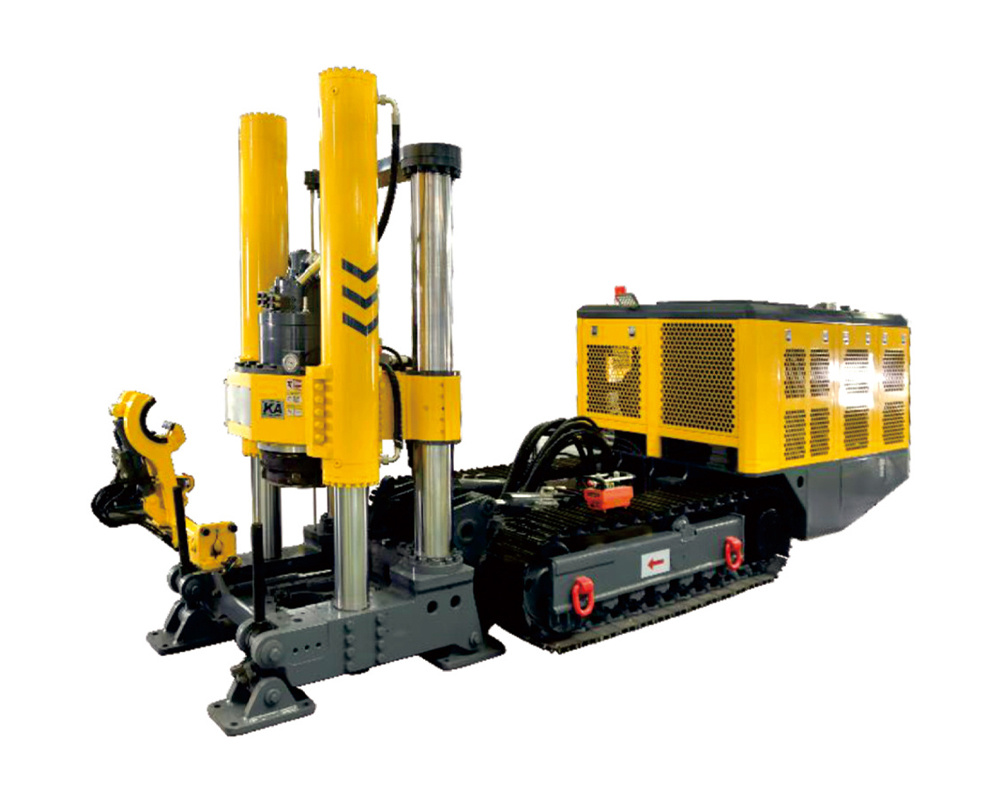
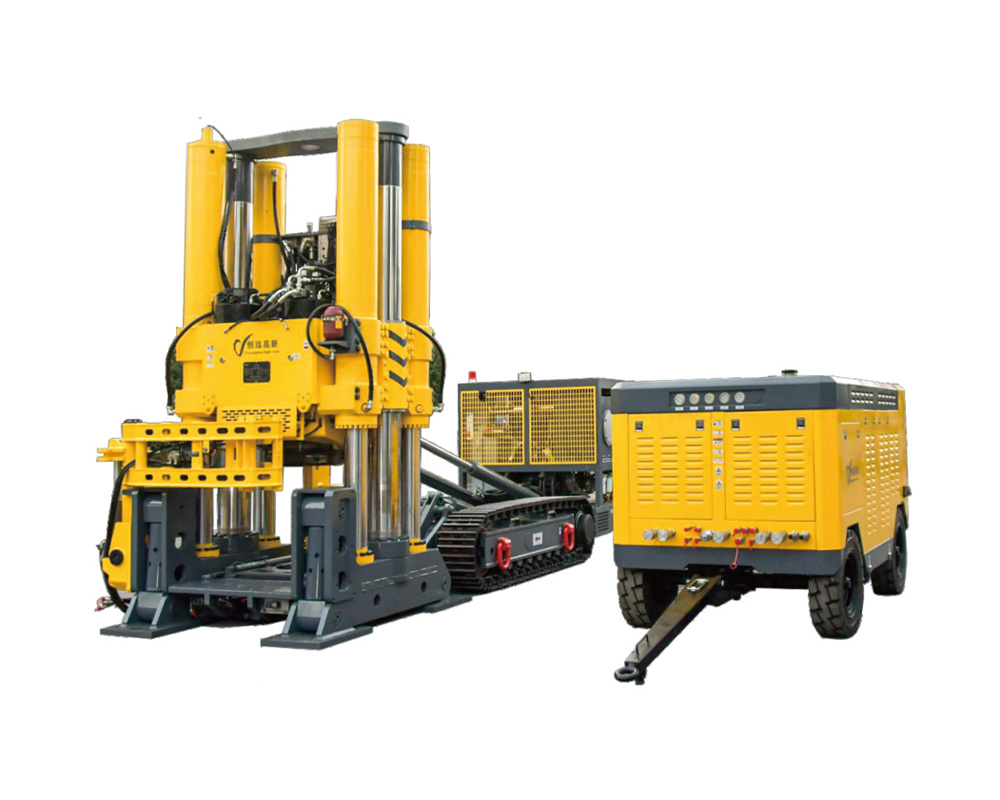
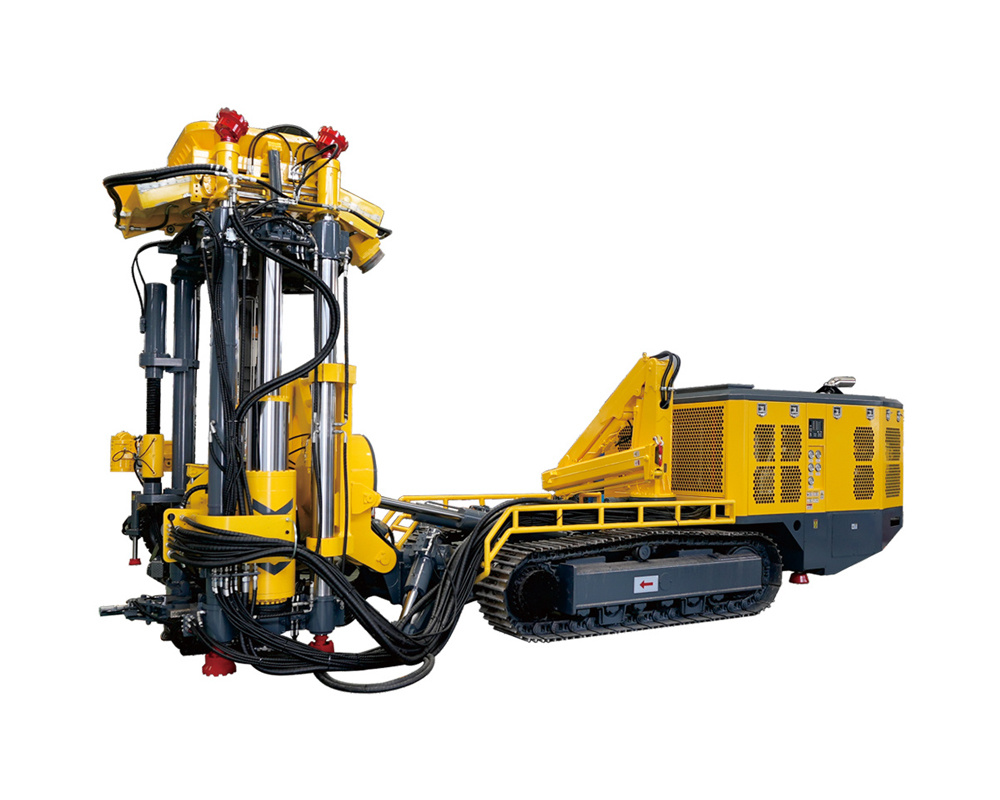
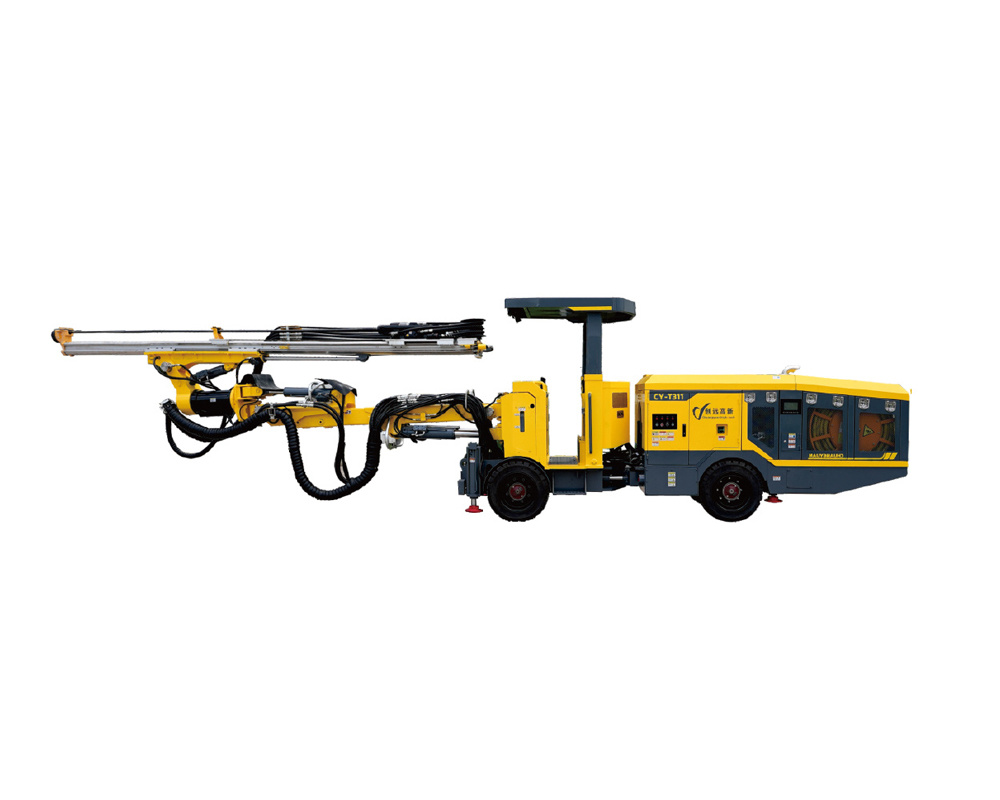
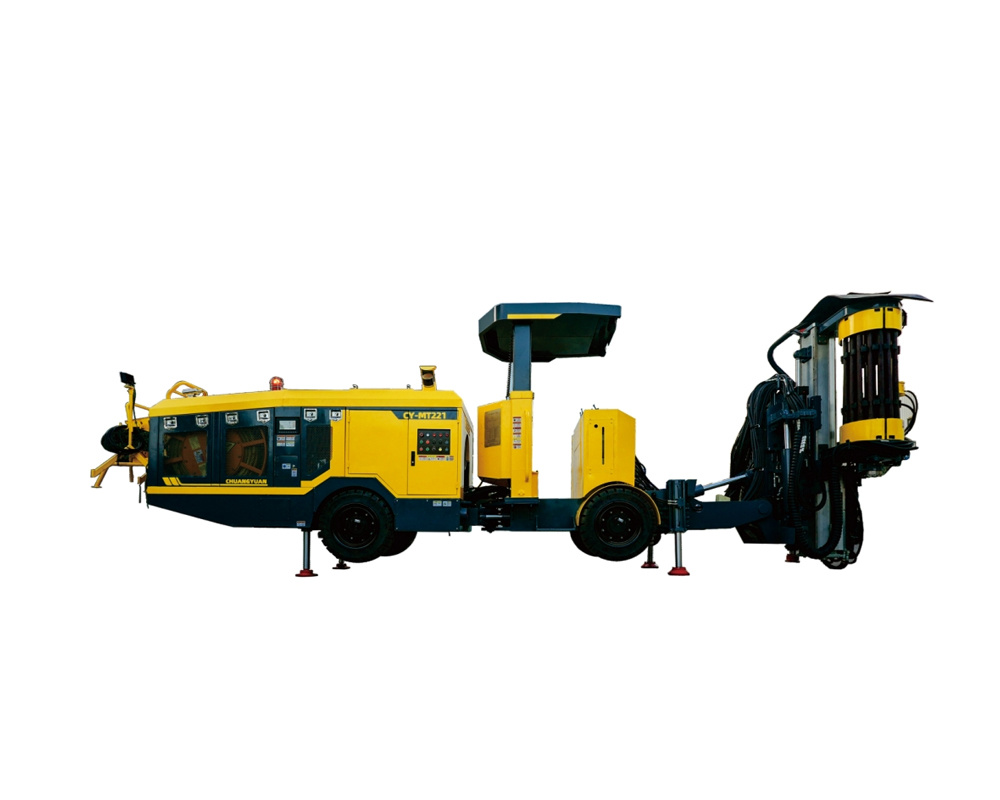
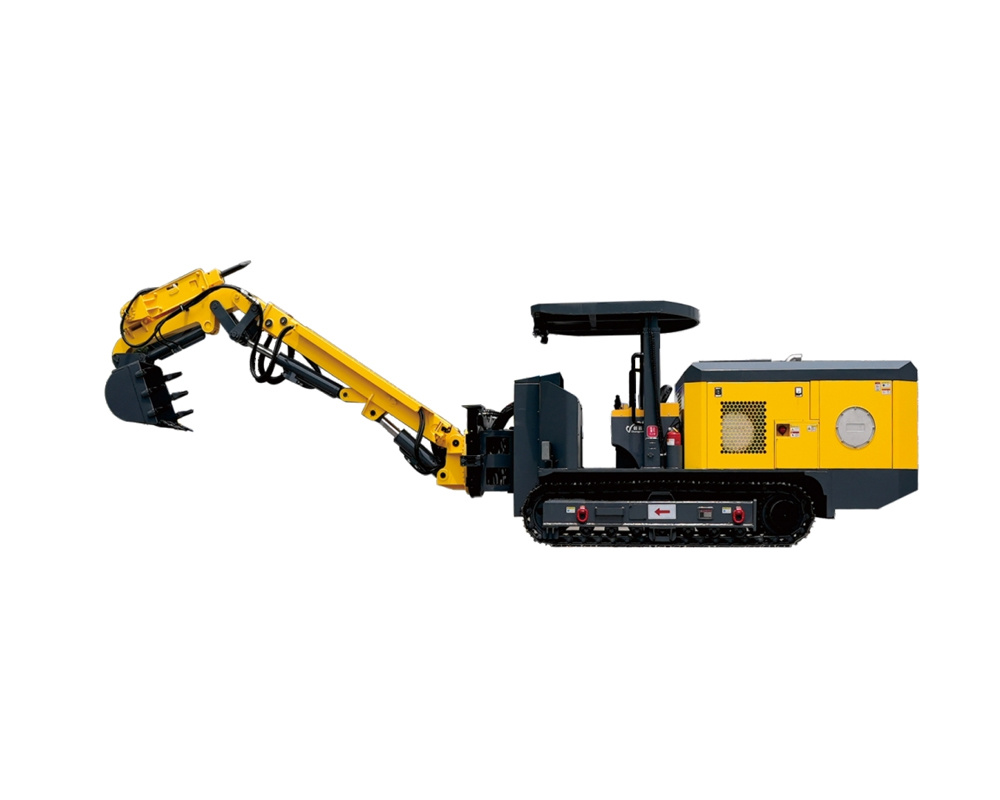
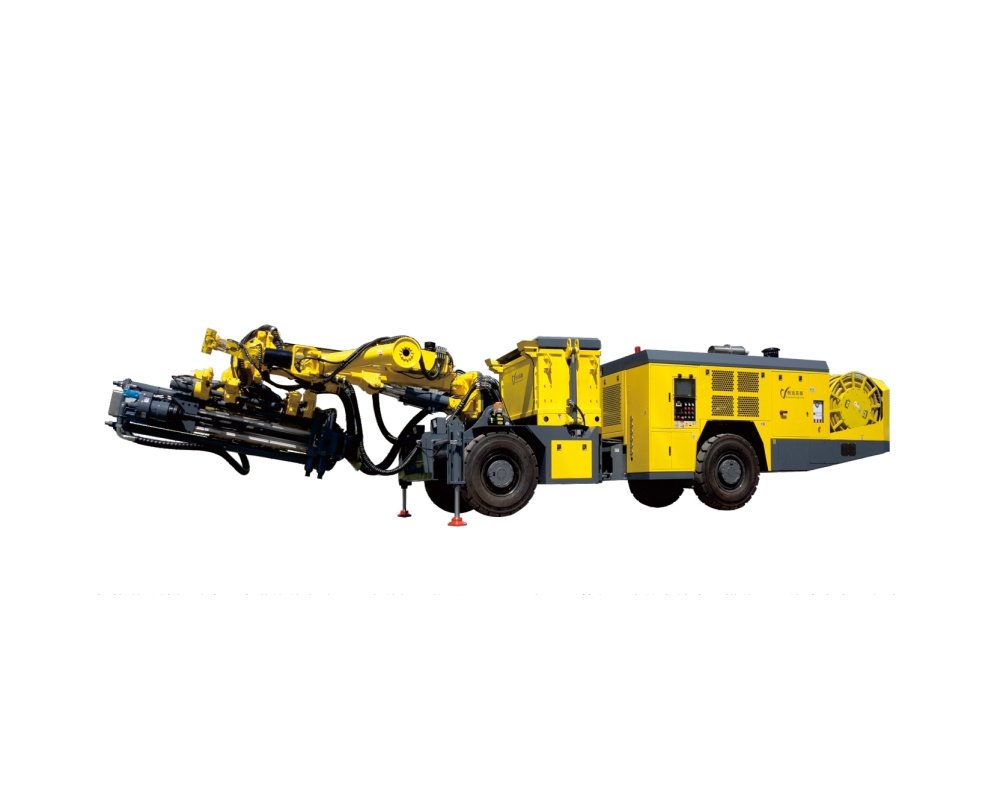
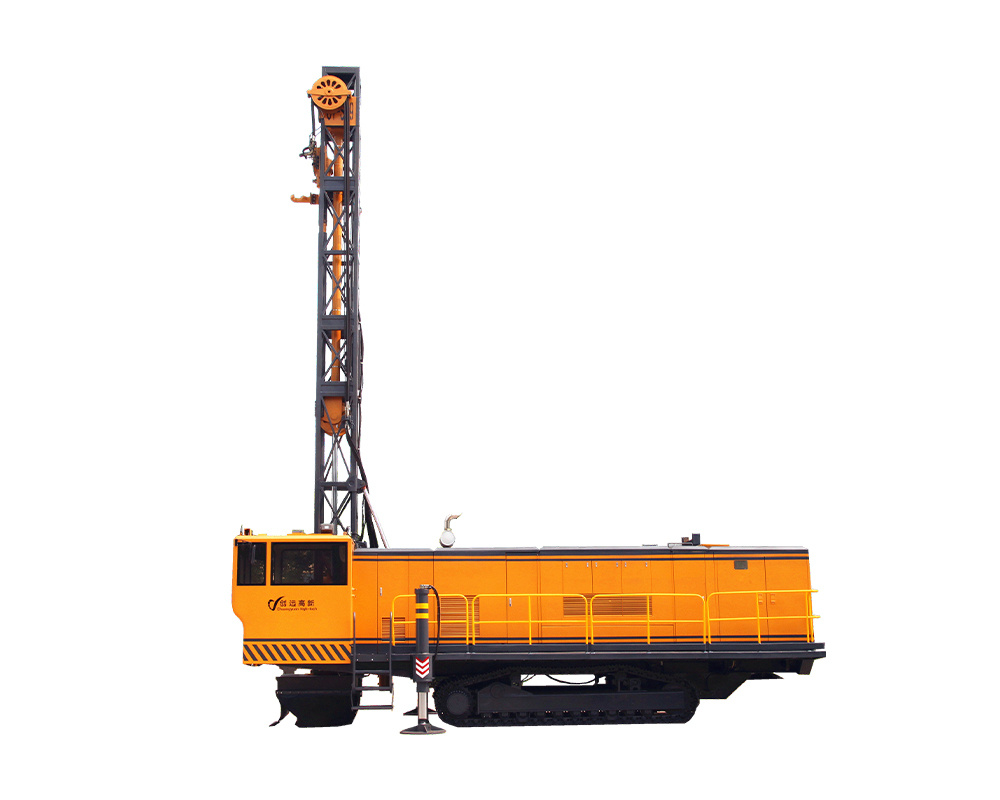
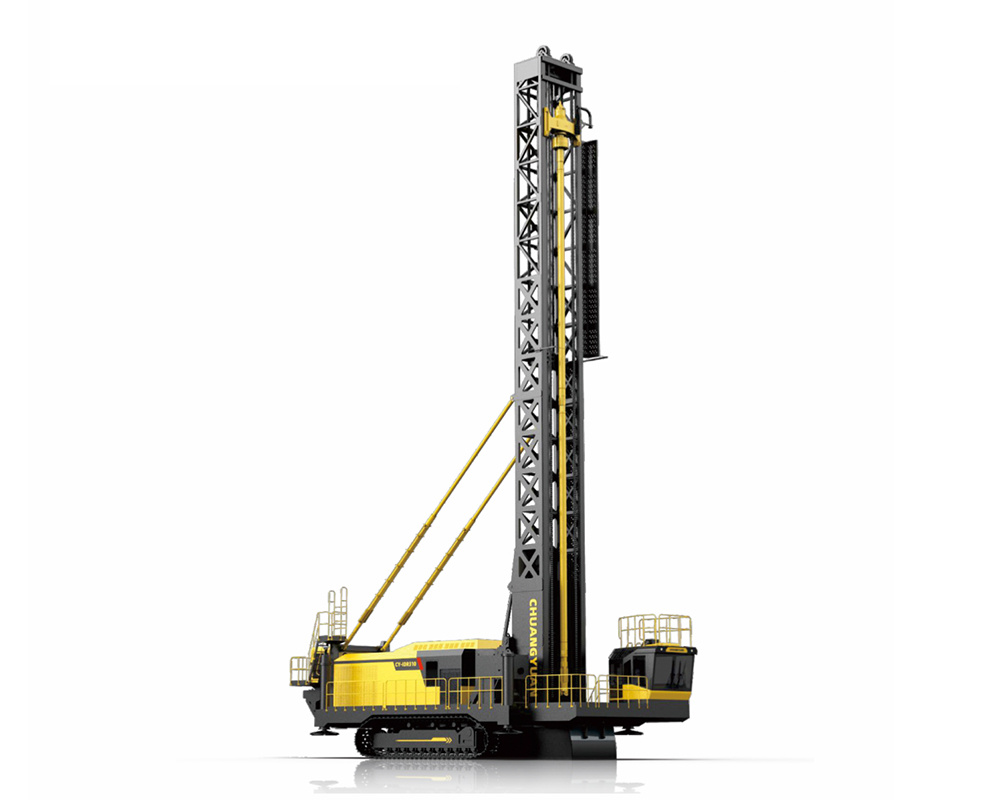
Open Pit Down the Hole Drill Rig for Efficient and Flexible Drilling Operations
2026-09-24
Practical Engineering Starts with the Right Equipment
Mining and construction environments are rarely simple. Uneven working areas, limited operating space, frequent equipment movement, and demanding drilling tasks all place different requirements on drilling equipment. An Open pit down the hole drill rig needs to combine dependable drilling performance with practical mobility and a structure that can adapt to real working conditions.
For groove-cutting and shaft-related construction, equipment design is particularly important because the machine may need to move between working positions frequently. The Upward Cutting Groove Type Raise Boring Machine addresses this requirement with a bridge-drive wheeled chassis and cab design. By improving travel efficiency during turnaround operations, the machine is designed to better accommodate construction conditions where frequent repositioning is part of the workflow.

Designed Around Real Construction Requirements
Traditional drilling equipment can become difficult to manage when the working environment changes frequently. A machine that performs well during drilling but is inconvenient to reposition may increase unnecessary preparation time. This is why mobility has become an important part of modern drilling equipment design.
The bridge-drive wheeled chassis of this raise boring machine provides a practical foundation for movement, while the cab gives the operator a dedicated working environment. The design focuses on making turnaround operations more convenient, helping the equipment move between working positions as construction progresses.
This approach is especially relevant to groove-cutting work, where equipment may need to respond to changing underground or open working conditions. Instead of treating mobility as a separate function, the machine integrates travel considerations into the overall equipment structure.
A Simplified Structure for Easier Installation
One of the notable design features is the two-propulsion-cylinder, three-support configuration. A simplified structural arrangement can help maintain stable equipment operation while also making the installation and removal of large-diameter cutterheads more manageable.
For drilling equipment, the cutterhead is an important working component, and its installation needs to be considered together with the overall structure of the machine. A design that provides sufficient support while keeping the main unit practical to assemble can make preparation and maintenance work more convenient.
The integrated slag collection hopper and stabilizing rod mechanism provide another example of how individual components can be designed around the complete working process. Rather than adding separate structures without considering their effect on the machine as a whole, the design brings collection and stabilization functions into the main equipment arrangement.
Reducing Working Height and Excavation Requirements
Space inside a working chamber can directly influence construction planning. A drilling machine with unnecessary structural height may require additional excavation or preparation before it can be properly positioned.
The integrated hopper and stabilizing rod mechanism help reduce the overall operating height of the main unit. This can reduce the excavation volume required in the working chamber and create a more practical equipment arrangement.
For construction teams, this type of design is valuable because equipment efficiency is not measured only by drilling action. Preparation work, installation conditions, equipment positioning, and the amount of supporting construction required can all influence the overall project process. A more compact main unit can therefore contribute to a more streamlined construction approach and help reduce associated construction costs.
Manufacturing Quality Begins Before Assembly
The performance of heavy drilling equipment depends on much more than the final assembly. Manufacturing begins with material selection, component preparation, dimensional control, machining, welding, surface treatment, and inspection. Each stage contributes to the structural consistency of the finished machine.
For a machine that combines a mobile chassis, propulsion system, support structure, slag collection components, stabilizing mechanisms, and drilling equipment, manufacturing accuracy is especially important. Structural parts need to maintain proper alignment, while moving and hydraulic components require suitable assembly conditions.
Fabricated components can be processed according to engineering requirements before entering the assembly stage. Welding quality, connection points, machined surfaces, and component interfaces need to be checked carefully. During assembly, the propulsion cylinders, support structure, chassis-related components, cutterhead connection areas, and other systems are brought together into a complete machine.
Inspection should continue throughout this process rather than being limited to the final stage. Dimensional checks, connection inspections, functional testing, and overall appearance checks can help identify problems before the equipment reaches the job site.
Innovation Through Practical Integration
Innovation in heavy machinery does not always mean adding more components or complicated technology. In many cases, useful innovation comes from simplifying the structure while making several functions work together more effectively.
The Upward Cutting Groove Type Raise Boring Machine demonstrates this principle through its integrated design. The wheeled chassis supports mobility, the two-propulsion-cylinder and three-support arrangement provides a stable structural concept, and the integrated hopper and stabilizing mechanism help reduce the operating height of the main unit.
These details show how equipment development can focus on actual construction challenges. Instead of pursuing complexity for its own sake, the objective is to create a machine that is easier to position, practical to operate, and better suited to the conditions encountered during groove-cutting construction.
Built for Demanding Working Environments
An Open pit down the hole drill rig is expected to work in environments where equipment reliability matters. Dust, vibration, heavy loads, repeated movement, and changing construction conditions can all place stress on mechanical structures and components.
This makes manufacturing consistency particularly important. Reliable equipment depends on disciplined production, careful component inspection, accurate assembly, and attention to details that may not be visible once the machine is operating.
At the same time, service value should extend beyond the manufacturing floor. For customers selecting drilling equipment, technical communication, application consultation, equipment configuration, delivery coordination, and after-sales support can all influence the long-term experience of using the machine.
Choosing Equipment with the Complete Workflow in Mind
The right drilling equipment should be evaluated not only by its main drilling function, but also by how well it fits into the complete construction workflow. Mobility, installation, cutterhead handling, working-space requirements, support structure, and maintenance considerations can all affect project efficiency.
The Upward Cutting Groove Type Raise Boring Machine combines these practical considerations into a focused equipment concept. Its bridge-drive wheeled chassis and cab support frequent turnaround operations, while the simplified support and propulsion structure helps with equipment stability and cutterhead installation. The integrated slag collection hopper and stabilizing rod mechanism further reduce the operating height of the main unit and can help minimize excavation requirements.
For mining contractors, drilling specialists, equipment distributors, and project planners looking for a suitable drilling solution, further discussion with the supplier can help clarify application requirements, equipment configuration, production arrangements, and service support. A well-matched machine is not simply a piece of heavy equipment; it is part of the construction process, and its value is ultimately reflected in how effectively it supports work from preparation through completion.
Previous:
Related Recommendations
Contact Information
Service Hotline:
400-873-5166
Email:
hncy9988@126.com
Address:
Building C-3, Huanchuang Park, No. 2450, Yuelu West Avenue, Changsha Hi-Tech Development Zone, China

What can we help you find?
Address: Building C3, Huanchuang Enterprise Plaza, 2450 Yuelu Avenue West, Changsha, Hunan Province, P.R.C.
Copyright © 2025 Hunan Chuangyuan HIGH-TECH Machinery Co., Ltd.