

-
-
-
-
Service
-
Contact Us

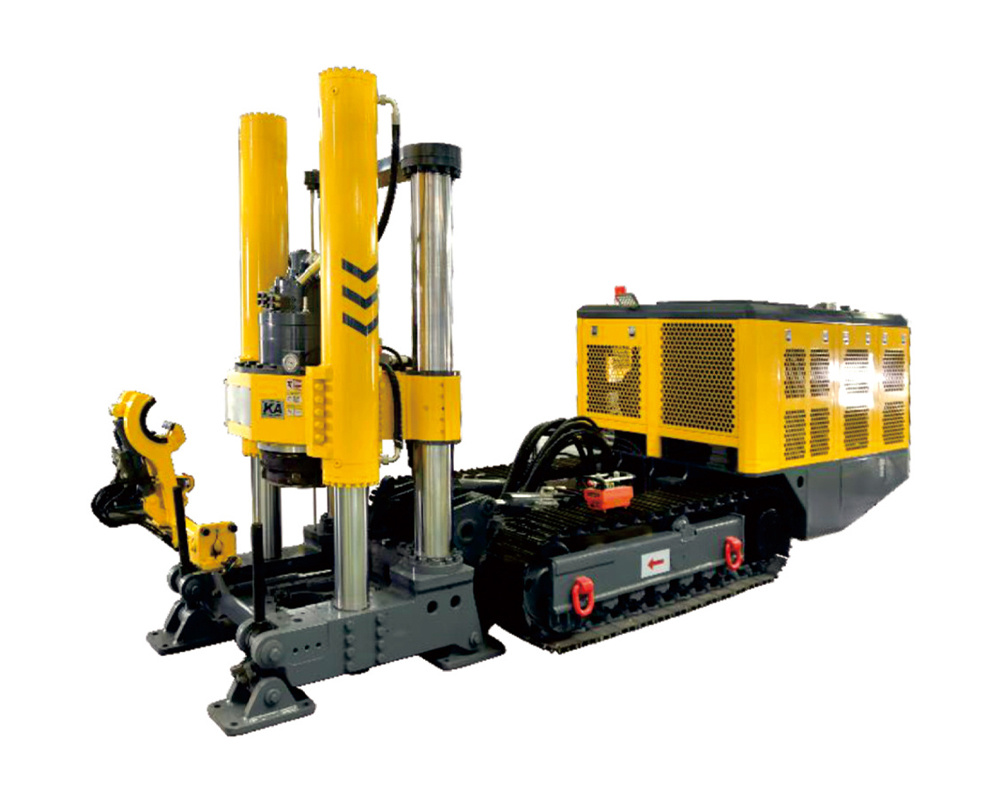
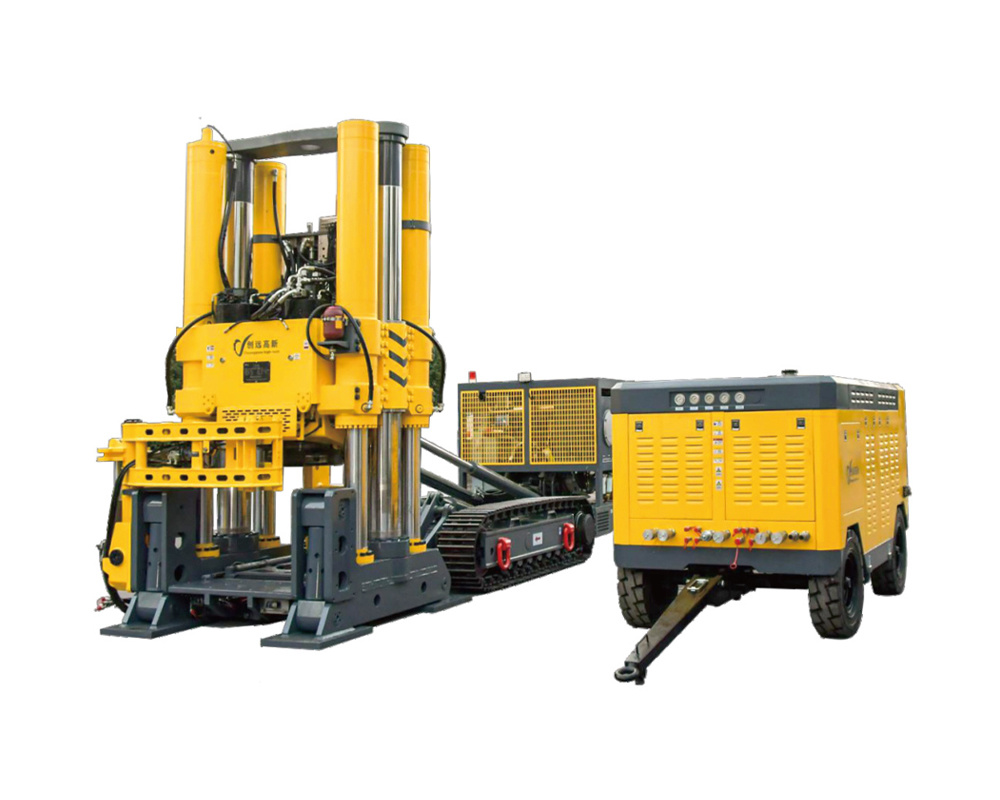
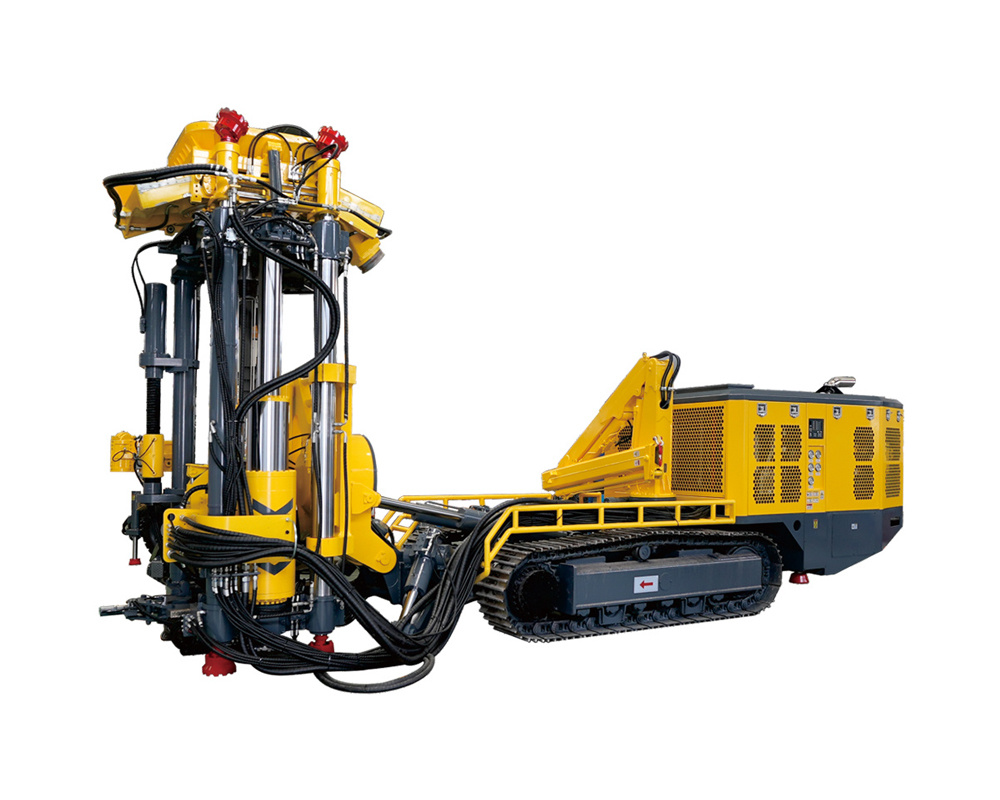
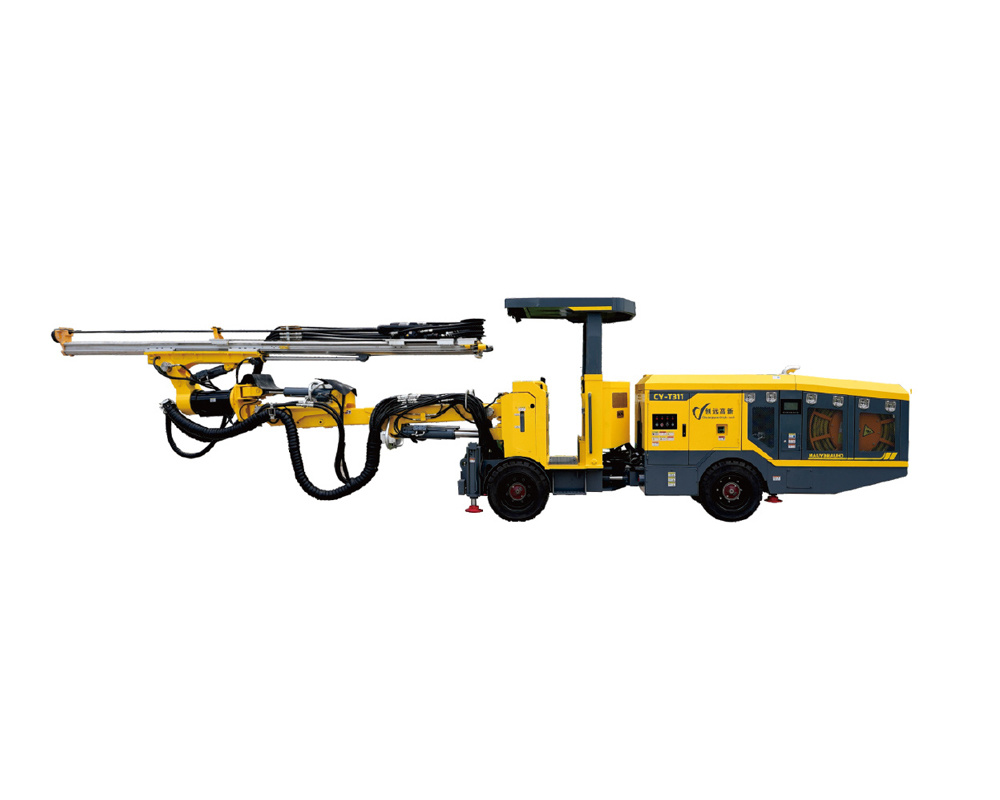
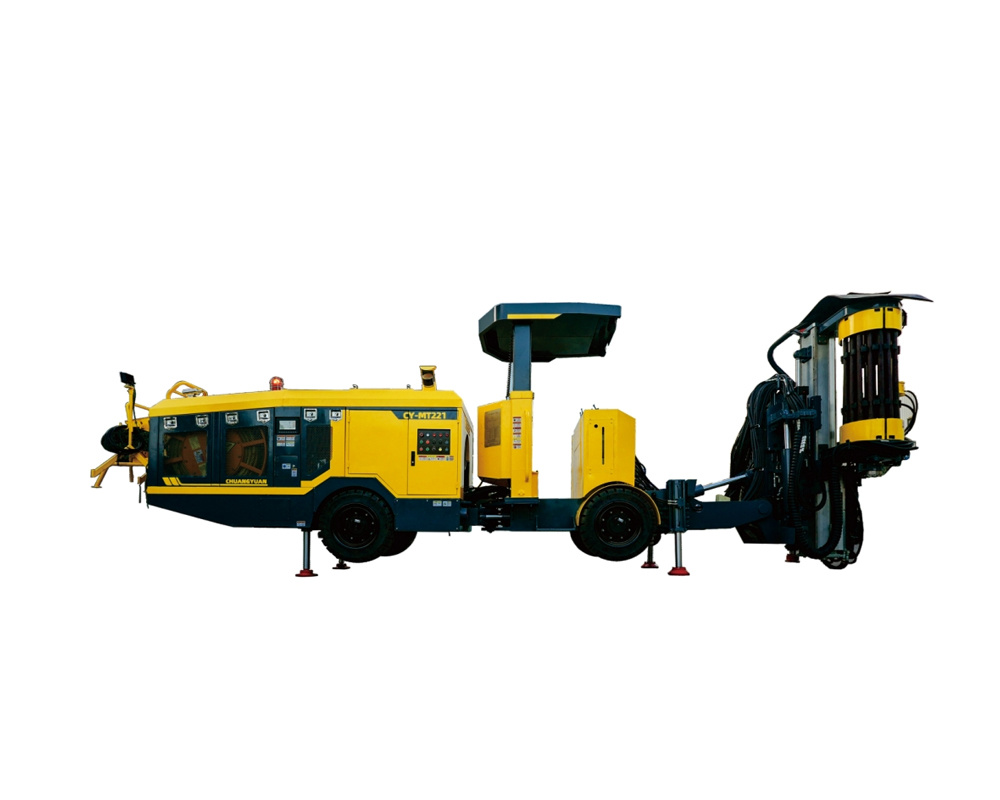
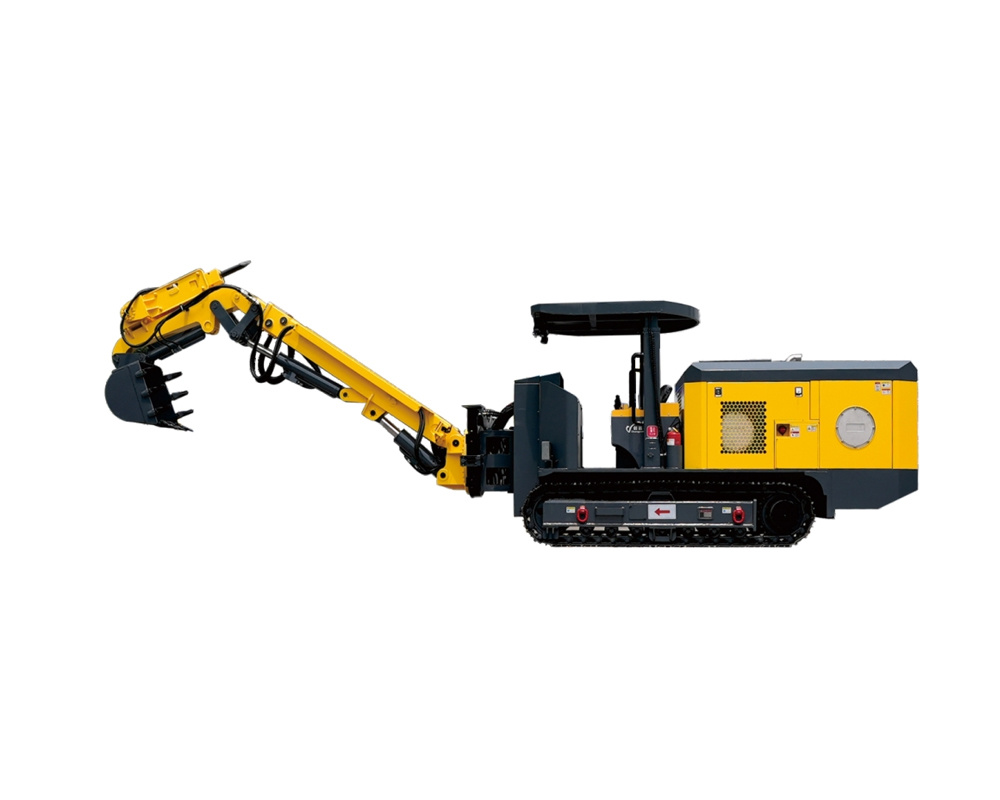
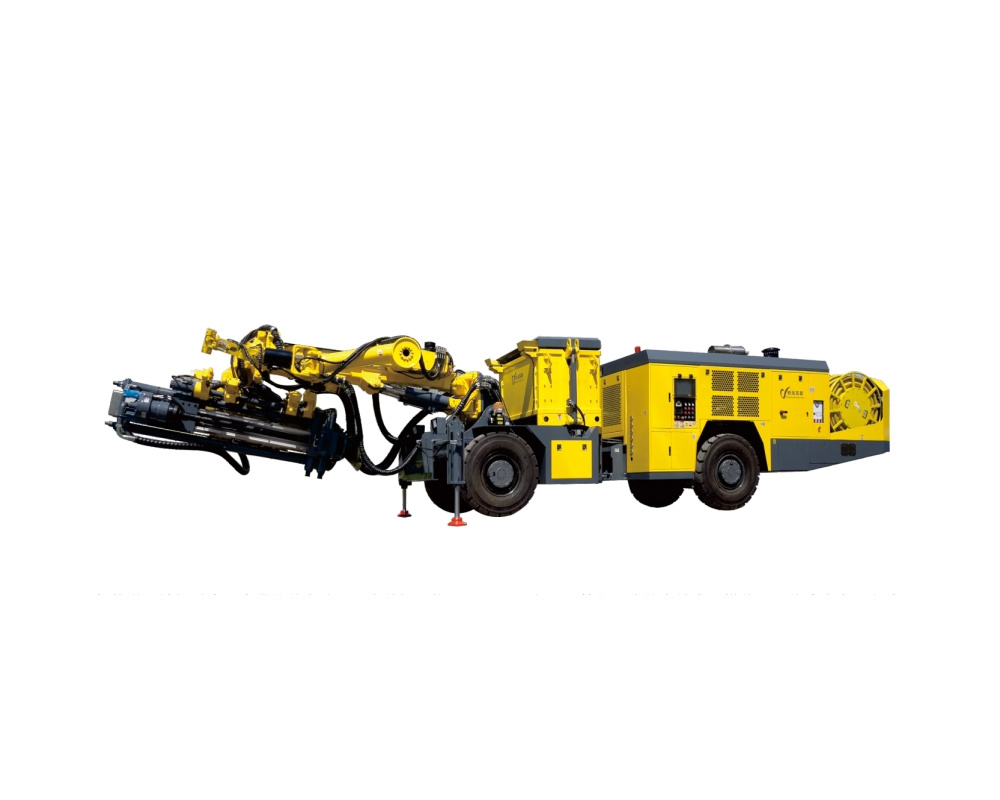
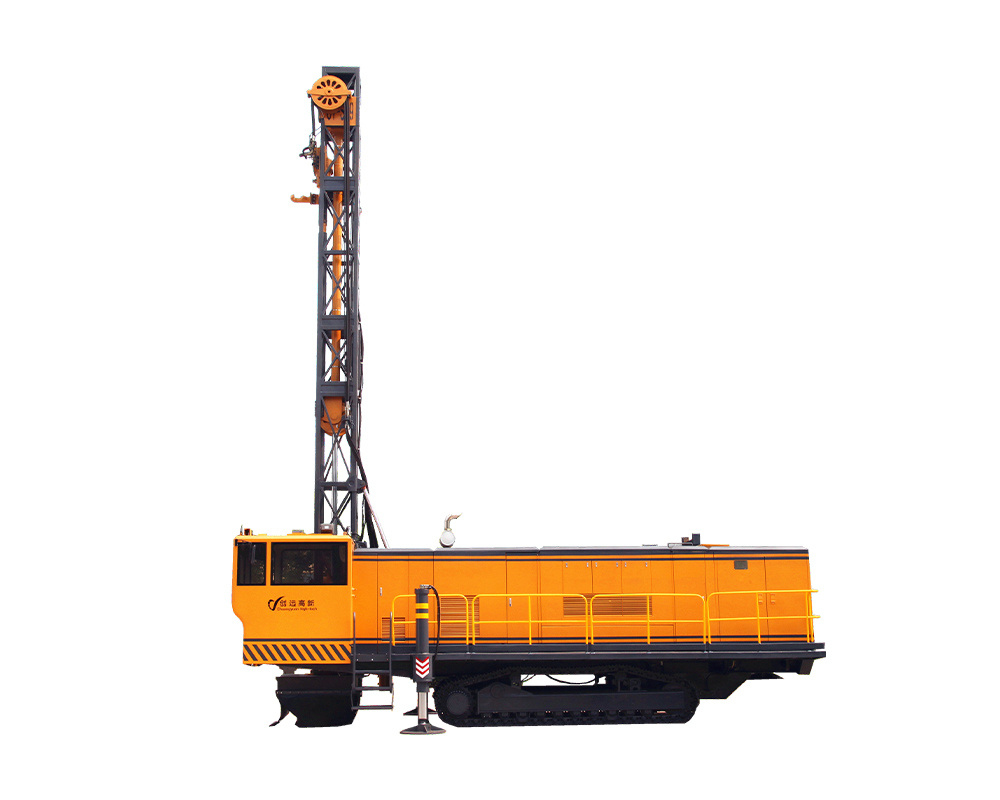
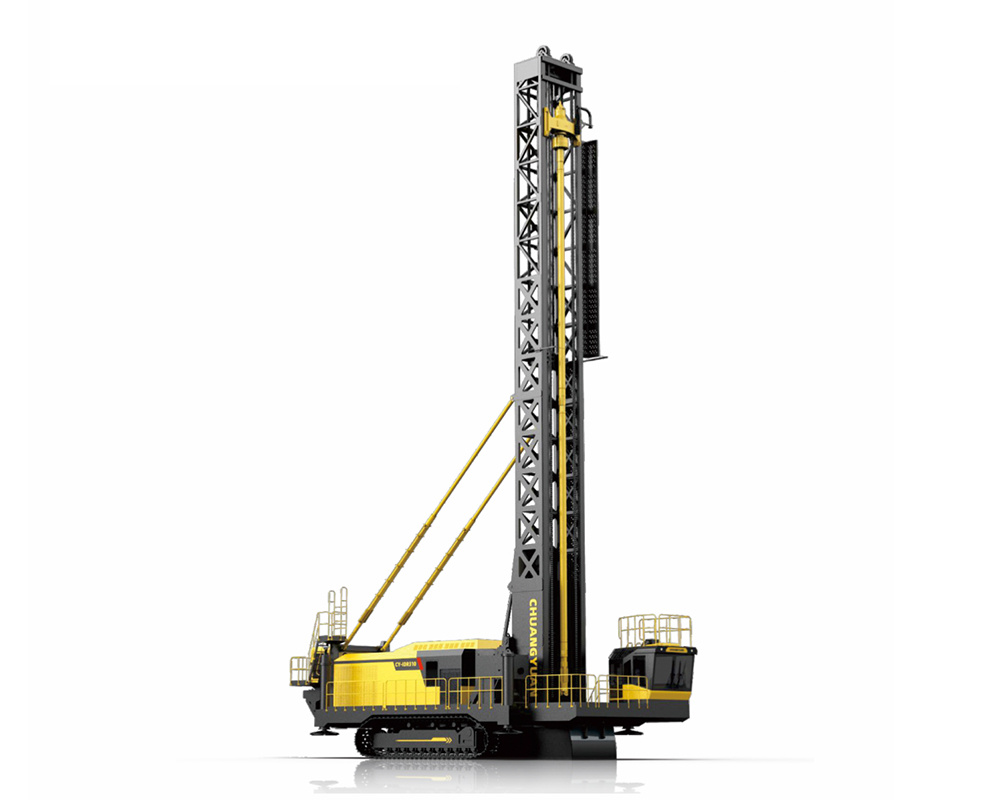
Tunnel Roadheader Machine: Advancing Efficient and Intelligent Underground Construction
2026-10-23
Meeting the Demands of Modern Tunnel Projects
Tunnel construction is a complex process that requires careful planning, reliable equipment, and precise drilling operations. From underground mining to highway, railway, water conservancy, and hydropower projects, contractors must work within confined spaces while managing challenging geological conditions and demanding schedules. A well-designed Tunnel roadheader machine or tunneling drilling rig can help teams organize excavation work more efficiently and improve operational control.
Choosing suitable equipment involves more than comparing machine size or power. Project managers also need to consider tunnel dimensions, rock conditions, drilling requirements, transportation access, maintenance needs, and operator experience. Equipment that matches the actual working environment can help reduce unnecessary adjustments and support a more consistent construction process.

Modular Design for Flexible Project Deployment
Large tunneling equipment often needs to travel between construction sites with different access conditions. A modular design makes transportation and relocation more manageable, helping contractors adapt equipment deployment to the needs of medium- and large-scale mining operations, highway and railway tunnels, hydropower developments, and other underground projects.
A large tunneling drilling rig can be configured for different working requirements, with drilling capabilities suited to a range of tunnel applications. Its working envelope, drill-arm movement, and travel performance are important considerations when planning excavation layouts. Before selecting a model, buyers should evaluate the required tunnel cross-section, drilling depth, hole diameter, and available working space to ensure that the equipment is appropriate for the project.
Intelligent Controls and Operator-Friendly Operation
Modern underground construction increasingly depends on clear operating information and accurate positioning. Guided operation systems can make machine interaction more intuitive through graphical interfaces, animations, voice prompts, and text instructions. These features can help operators understand operating steps and manage routine tasks more conveniently.
For projects requiring more structured drilling operations, intelligent control and high-precision borehole positioning can support drilling plans based on predefined layout parameters. Remote-control functions may also help operators manage equipment from a suitable position, depending on the machine configuration and site conditions. The practical value of these technologies lies in supporting consistent operation, improving workflow visibility, and helping teams coordinate their work more effectively.
Digital connectivity can further support equipment management by making operational information easier to access across compatible devices. However, the right configuration depends on project requirements, site infrastructure, and the operator's workflow. Buyers should confirm which guidance, positioning, remote-control, and connectivity functions are included in the selected model.
Manufacturing Quality Begins with Careful Engineering
Reliable tunneling equipment starts with a design that considers real underground working conditions. Structural components, drilling mechanisms, hydraulic systems, electrical controls, and travel assemblies all need to work together as an integrated machine. A practical manufacturing process typically includes engineering review, material inspection, component machining, assembly, system integration, and functional testing.
Attention to component fit and assembly quality helps support stable operation and simplifies future maintenance. Hydraulic connections, electrical wiring, moving mechanisms, and control interfaces should be checked during assembly and commissioning. Before delivery, equipment should undergo appropriate inspections and operational checks so that potential issues can be identified before it reaches the construction site.
Product development also benefits from feedback gathered during equipment use. Engineers can use operating experience and maintenance observations to refine layouts, improve accessibility, and make controls easier to understand. This continuous improvement approach helps connect design innovation with the everyday needs of contractors and operators.
Matching Equipment to Long-Term Project Needs
A Tunnel roadheader machine should be evaluated as part of the complete construction workflow rather than as an isolated purchase. Buyers should consider not only initial operating requirements but also relocation, consumables, routine maintenance, operator training, spare-parts availability, and technical support. These factors influence how easily equipment can be integrated into a project's schedule and maintenance plan.
Clear communication between the equipment supplier and the project team is equally important. Sharing information about geological conditions, tunnel dimensions, drilling patterns, power supply, and site access can help narrow down suitable configurations. Where projects involve cold climates, high elevations, or other demanding environments, buyers should discuss these conditions in advance and confirm whether additional adaptations are needed.
Building Confidence Through Service and Cooperation
Quality equipment is only one part of a successful underground project. Responsive technical communication, practical operating guidance, accessible maintenance information, and a clear after-sales process also matter. A dependable supplier should help customers understand configuration choices, clarify operating requirements, and identify suitable support options throughout equipment selection and use.
For contractors planning a new tunnel, mine development, or infrastructure project, reviewing the machine's specifications against actual site conditions is a sensible first step. Contact the supplier to discuss tunnel dimensions, drilling requirements, working conditions, and preferred control functions. With the right technical information and a carefully matched equipment configuration, project teams can make more informed decisions and build a stronger foundation for efficient, reliable underground construction.
Previous:
Related Recommendations
Contact Information
Service Hotline:
400-873-5166
Email:
hncy9988@126.com
Address:
Building C-3, Huanchuang Park, No. 2450, Yuelu West Avenue, Changsha Hi-Tech Development Zone, China

What can we help you find?
Address: Building C3, Huanchuang Enterprise Plaza, 2450 Yuelu Avenue West, Changsha, Hunan Province, P.R.C.
Copyright © 2025 Hunan Chuangyuan HIGH-TECH Machinery Co., Ltd.