

-
-
-
-
Service
-
Contact Us

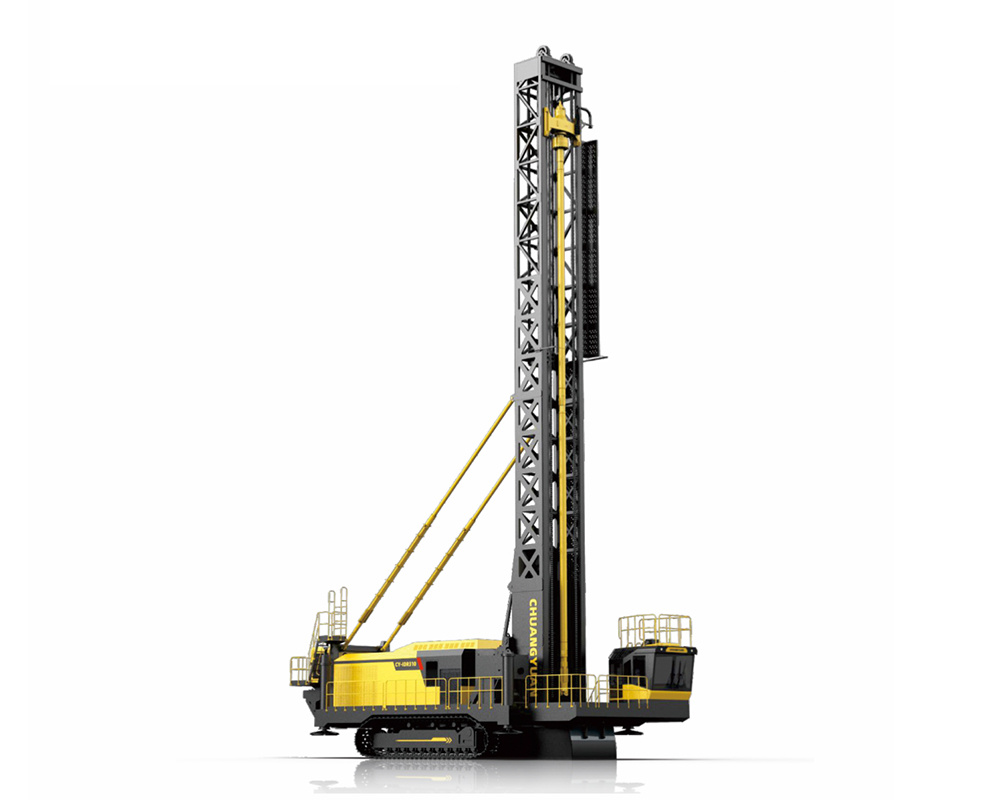
Open-pit rotary blasthole drill review of Epiroc Pit Viper 351
2026-10-20

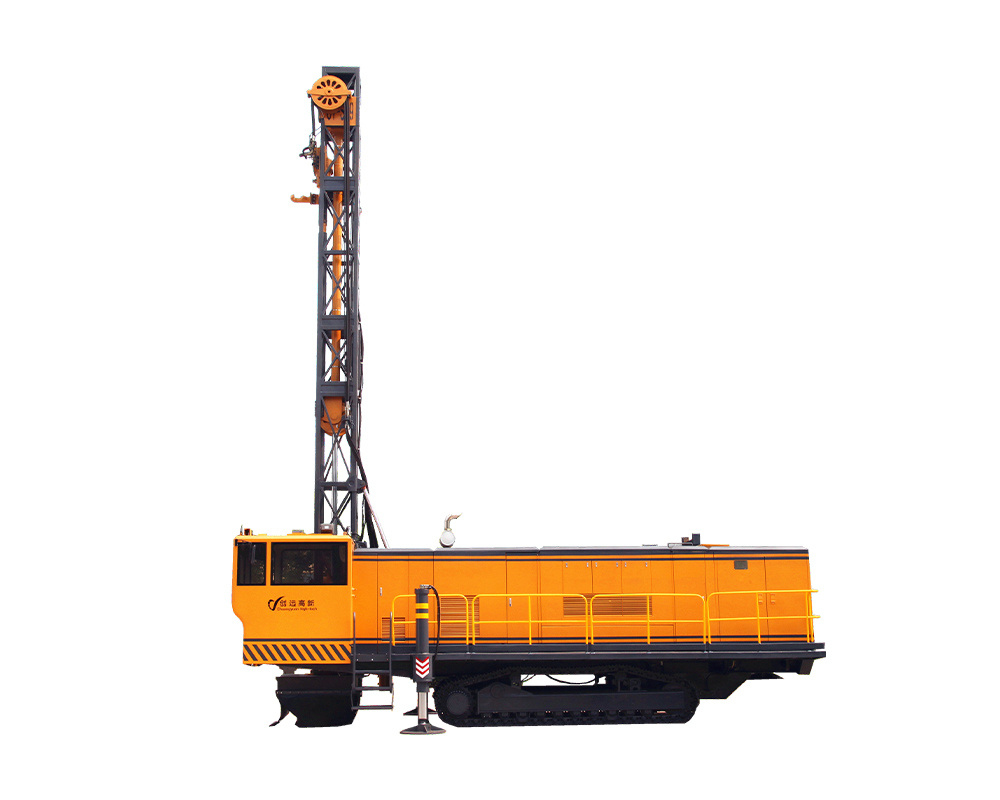
The Epiroc Pit Viper 351 stands as Epiroc's largest open-pit rotary blasthole drill. Engineers built this machine for single-pass drilling in the hardest rock. A 125,000 lb bit load, a powerful rotary head, a large compressor, and a robust structure deliver balanced power for demanding drilling conditions. The Pit Viper 351 suits mining operations that prioritize accuracy, availability, and low cost per meter in large-diameter, hard-rock patterns. These blasthole drill rigs give crews a strong rotary platform for consistent drilling results.
The powerful blasthole drill rig is primarily used for drilling 270 mm to 406 mm (10-5/8" to 16") holes with up to 19.8 m (65 ft) single pass capability.
Key Takeaways
- The Pit Viper 351 drills large holes in hard rock with a powerful bit load and rotary head.
- Single-pass drilling up to 19.8 meters saves time by eliminating steel changes.
- The drill is autonomous-ready, offering remote operation and a path to future automation.
Key Technical Specifications
Engine Power and Drive System
The Pit Viper 351 pairs a high-output diesel engine with a robust drive system. This combination feeds steady power to the rotary head and the propel motors. The engine delivers enough torque to turn large-diameter bits through hard rock without stalling. Operators get smooth control of rotary speed and feed force across the full working range.
Drilling Depth and Diameter Range
The machine covers the large-hole end of open-pit work. Its core capabilities include:
- Drilling diameter range: 270 mm to 406 mm (10-5/8" to 16")
- Single pass capability: up to 19.8 m (65 ft)
The single-pass mast removes the need for steel changes on most benches. Crews finish a blasthole in one continuous cycle.
Weight, Dimensions, and Carrier Design
A heavy-duty crawler carrier supports the mast and the drill module. The wide track stance spreads ground pressure and keeps the rig stable on uneven benches. The compact footprint allows tight tramming between patterns. Service points sit within easy reach for fast daily checks.
Compressor and Flushing Capabilities
A large onboard compressor supplies strong air volume for hole cleaning. High bailing velocity lifts cuttings from deep blasthole drill rigs and limits regrind at the bit. The flushing system adapts to dry and wet conditions, so the drill holds performance across varied ground.
Performance and Productivity in Drilling

Penetration Rates in Hard Rock
The Pit Viper 351 delivers strong penetration rates in hard rock. Its 125,000 lb bit load presses the bit into the rock face with steady force. The powerful rotary head turns large-diameter bits at an efficient speed. Together, these systems convert engine power into fast rock breakage. Operators report consistent performance in granite, basalt, and other abrasive formations. The machine maintains its rate as hole depth increases. This consistency matters for pattern productivity. A steady penetration rate keeps the shovel fleet supplied with broken rock. It also reduces the time each pattern spends in the drilling cycle.
Single-Pass Depth and Pattern Efficiency
The 19.8 m (65 ft) single-pass capability changes how crews plan a bench. Most open-pit benches fall within this range. The machine finishes each blast hole in one continuous cycle. No steel changes interrupt the work. No rod handling slows the cycle. This single-pass design cuts non-drilling time to a minimum. Pattern efficiency improves as a direct result. Crews move from hole to hole with fewer delays. The mast design also supports clean collaring and stable hole alignment. Each hole starts and finishes in the correct position. Pattern accuracy improves across the full bench.
Automation and Control Systems
Epiroc equips the Pit Viper 351 with modern control electronics. These systems support precise control of feed force, rotary speed, and air volume. The operator sets parameters from a comfortable cab station. The machine holds those parameters through the full hole. This control level supports repeatable results across a shift. The rig also offers data logging and fleet connectivity options. These features help maintenance teams track machine health. They also support future autonomy upgrades. The control platform gives operators a clear path from manual work to automated drilling cycles.
Reliability and Uptime Factors
The Pit Viper 351 builds its reputation on structural strength. The heavy-duty mast and carrier handle constant hard-rock loads. Robust components reduce unplanned stops. Service points sit within easy reach for fast daily checks. Epiroc's global parts network keeps critical spares available. These factors combine to deliver high availability figures. High availability keeps the rig productive across the full shift. It also lowers the cost per meter over the machine's life. Operations that track uptime closely often rank this rig among their most dependable blasthole drill rigs.
The combination of single-pass depth, steady penetration, and high availability makes the Pit Viper 351 a strong performer in large-diameter, hard-rock patterns.
Application Fit for the Open-Pit Rotary Blasthole Drill
Suitable Rock Types and Ground Conditions
The Pit Viper 351 handles hard, abrasive formations with confidence. Granite, basalt, and dense limestone fall within its working range. The 125,000 lb bit load breaks tough rock faces without hesitation. Rotary drilling in these formations rewards the machine's balanced power delivery. Soft ground poses no problem either. The flushing system clears cuttings across dry and wet conditions. This flexibility lets one machine serve multiple rock types within a single open-pit mine.
Bench Heights and Pit Configurations
Bench height drives machine selection. The 19.8 m (65 ft) single-pass mast matches most standard bench designs. Crews finish each blasthole without a steel change. Multi-bench open pits benefit from this capability. The rig tramms between patterns on a stable crawler carrier. Tight pit layouts suit its compact footprint. Deep open-pit mines gain steady output from the single-pass cycle.
Operational Scenarios Where It Excels
Large-diameter production patterns represent the core application. The machine pairs well with shovels and loaders that demand steady broken rock. High-tonnage operations value its availability and hole accuracy. Contract drilling crews appreciate the fast pattern turnaround. The open-pit rotary blasthole drill also fits quarry work with similar hole sizes. Operations that run several rotary blasthole drills across a site can standardize on this platform. Mining teams facing hard rock and tight schedules find a strong match here.
Regulatory Compliance and Safety
Safety Standards and Operator Protection
The Pit Viper 351 protects operators through a sealed, pressurized cab with filtered air. ROPS and FOPS structures shield the cab from falling rock and rollover events. Emergency stops sit within easy reach, and interlocks prevent unsafe mast movement. The control system limits feed force and rotary speed when conditions demand caution. These features help the drill meet common site safety rules in open-pit mining.
Environmental and Emissions Considerations
Epiroc designs the Pit Viper series for lower emissions through autonomous operation. The company reports the following figures for the series, which includes the Pit Viper 351:
| Consideration | Reported Figure | Equivalent Impact |
|---|---|---|
| Fuel saved | ~85 million litres | — |
| CO2 emissions reduced | ~225,000 tons | Planting 10+ million trees, or removing ~50,000 passenger vehicles from roads for a year |
| Emissions outcome | Lower emissions through autonomous operation of the Pit Viper series | — |
The engine meets current emission standards for its class. Dust suppression and clean flushing practices further reduce site impact.
Certification and Regional Requirements
Regional rules vary across markets. Epiroc supplies the Pit Viper 351 with configurations that meet local engine emission tiers and electrical standards. Buyers should confirm cab certification, noise limits, and exhaust treatment against their jurisdiction before purchase. Epiroc's regional teams support documentation for permitting and site acceptance.
Cost Analysis and ROI
Initial Purchase and Configuration Costs
The Pit Viper 351 carries a premium price tag. Buyers pay for a large machine with a heavy-duty mast, a high-output engine, and a full control platform. Final pricing depends on configuration choices. Rotary head options, compressor size, cab features, and automation packages all shift the number. Regional taxes, freight, and site preparation add further cost. Epiroc quotes each machine against the buyer's hole size, bench height, and rock conditions. A well-specified rig avoids paying for capacity the site never uses. Buyers should treat the purchase price as the starting point of the investment case. The configuration decision sets the baseline for every cost that follows.
Operating and Maintenance Costs
Daily operating costs fall into a few clear buckets. Fuel dominates the variable side. A large diesel engine burns steadily through a shift, and hard-rock patterns push consumption higher. Bit wear follows close behind. Large-diameter bits in abrasive rock wear at a predictable rate, and bit cost per meter depends on the rock and the operator's feed control. Consumables such as lubricants, filters, and hoses add a smaller but steady share. Maintenance labor and parts form the planned side of the budget. The robust structure of the Pit Viper 351 keeps unplanned repairs low. Epiroc's global parts network keeps spares moving quickly. These factors hold maintenance cost per hour within a stable band. High availability spreads fixed costs across more drilled meters. That spread lowers the effective cost of every hole.
| Cost Category | Main Drivers | Control Levers |
|---|---|---|
| Fuel | Engine load, rock hardness, shift hours | Feed and rotary settings, idle time |
| Bits and consumables | Rock abrasiveness, hole diameter, feed force | Bit selection, operator training |
| Maintenance labor and parts | Component wear, service intervals | Planned service, genuine parts |
| Downtime losses | Unplanned stops, parts lead time | Availability tracking, spares stocking |
Total Cost of Ownership and Payback Considerations
Total cost of ownership combines the purchase price with years of fuel, bits, maintenance, and downtime losses. The Pit Viper 351 competes well on this measure in its target applications. Single-pass drilling removes steel-change time from every hole. Steady penetration keeps the pattern cycle short. High availability keeps the rig on the bench across the full shift. Each of these factors raises meters per year and spreads fixed cost thinner. Payback arrives faster when the rig runs at high utilization in large-diameter, hard-rock patterns. Operations with smaller holes or softer ground may find the machine oversized for their needs. A smaller rig in the same family can deliver a better return in those cases. Buyers should model payback against their own bench heights, rock types, and shift schedules. The right answer depends on site conditions, not on machine size alone.
The Pit Viper 351 rewards high-utilization sites in hard rock. Its single-pass cycle and strong availability turn a premium purchase price into a competitive cost per meter over the machine's life.
Comparison with Alternative Autonomy-Ready Drills
Technical Performance Comparison
The Pit Viper 351 leads its class on bit load and single-pass depth. Competing autonomy-ready drills typically offer lower bit loads and shorter masts. Those machines suit smaller hole diameters and lighter ground. The Pit Viper 351 holds an edge in large-diameter, hard-rock work.
| Feature | Pit Viper 351 | Typical Alternative |
|---|---|---|
| Bit load | 125,000 lb | Lower, class-dependent |
| Hole diameter | 270–406 mm | Often narrower range |
| Single-pass depth | 19.8 m (65 ft) | Shorter on many models |
Application Fit Comparison
The open-pit rotary blasthole drill shines in high-tonnage production patterns. Alternative rigs fit quarry work, smaller benches, and mixed ground. Each machine serves a distinct role. Buyers should match the rig to their bench height and rock type.
Compliance and Cost Comparison
All modern rotary blasthole drills meet current emission tiers in their class. Purchase prices vary with size and automation packages. The Pit Viper 351 carries a premium price. Smaller alternatives cost less up front. Fuel and bit costs scale with hole diameter and rock hardness.
Where Each Option Fits Best
The Pit Viper 351 fits large-diameter, hard-rock mining with high utilization targets. Smaller blasthole drill rigs fit tighter budgets and softer ground. Autonomy upgrades remain available across the family. Each option rewards the site that matches its capacity.
Match the machine to the pattern, not the other way around.
Is the Pit Viper 351 a Fully Autonomous Surface Drill?
Autonomy Capabilities and the Pit Viper Legacy
The Pit Viper 351 is not a fully autonomous surface drill today. Epiroc describes the machine as autonomous-ready, which means it carries the control platform needed for future upgrades. The Pit Viper legacy supports this path. Epiroc reports that the drills are ready for full autonomy when combined with electrification. Single-row autonomous capabilities are planned for future implementation as part of the operator's technology roadmap.
| Autonomy Capability | Description | Status |
|---|---|---|
| Single-row autonomous capabilities | Drills equipped with single-row autonomous functionality | Planned for future implementation |
| Autonomous-ready | Equipment described as autonomous-ready | Current configuration |
| Full autonomy readiness | Technology ready for full autonomy, combined with electrification | Stated capability |
This table shows the current state of autonomy on the machine. Buyers who want a fully autonomous surface drill should plan for a staged rollout. The autonomy roadmap rewards sites that upgrade in steps.
Remote Operation and Future-Readiness
Remote operation gives crews a bridge to full autonomy. An integrated remote operations center lets teams run the drill from a distance. In autonomous mode, the machine follows a planned pattern with no operator in the cab. The rig can be drilled autonomously across a full pattern once the site enables the feature. An automatic bit changer supports unattended cycles. These features point toward a driverless fleet in the future. Autonomous surface drilling equipment continues to mature across the industry. The Pit Viper 351 positions operators to adopt autonomous drilling at their own pace. A driverless fleet becomes realistic as sites add autonomous surface drilling and autonomous mode workflows. The drill can be drilled autonomously with the right site setup. Autonomy delivers its full value when sites plan for it early.
The Pit Viper 351 excels as an open-pit rotary blasthole drill in hard rock. Its 125,000 lb bit load and proven depth accuracy deliver strong blasthole results. This drill is a worthwhile investment for matching open-pit mines. Productivity, compliance, and total cost of ownership favor high-utilization rotary drilling sites. Smaller rigs suit tighter budgets or softer ground.
FAQ
What hole sizes does the Pit Viper 351 drill?
The machine drills holes from 270 mm to 406 mm (10-5/8" to 16"). This range covers large-diameter production patterns in open-pit mines.
Does the Pit Viper 351 suit hard-rock rotary drilling?
Yes. A 125,000 lb bit load and a powerful rotary head break granite, basalt, and dense limestone efficiently. Crews see steady penetration rates in abrasive formations.
Can the Pit Viper 351 run without an operator?
Not fully today. Epiroc rates the drill as autonomous-ready. Single-row autonomous capabilities are planned for future implementation, and remote operation is available now.
Previous:
Related Recommendations
Contact Information
Service Hotline:
400-873-5166
Email:
hncy9988@126.com
Address:
Building C-3, Huanchuang Park, No. 2450, Yuelu West Avenue, Changsha Hi-Tech Development Zone, China

What can we help you find?
Address: Building C3, Huanchuang Enterprise Plaza, 2450 Yuelu Avenue West, Changsha, Hunan Province, P.R.C.
Copyright © 2025 Hunan Chuangyuan HIGH-TECH Machinery Co., Ltd.