

-
-
-
-
Service
-
Contact Us

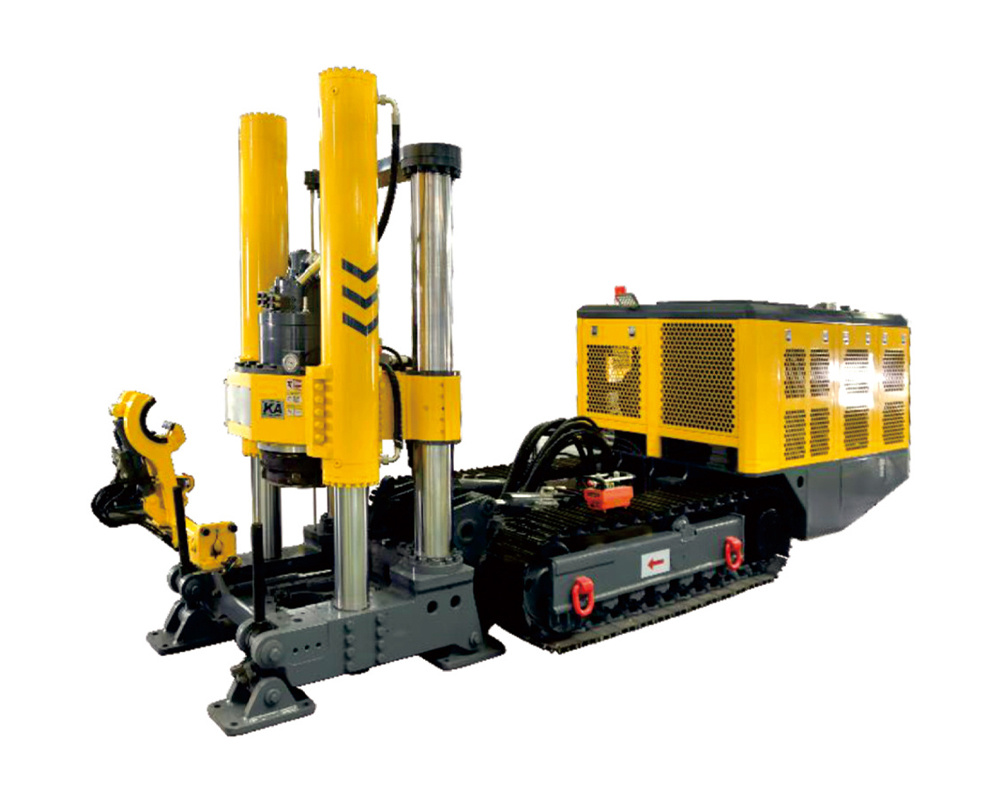
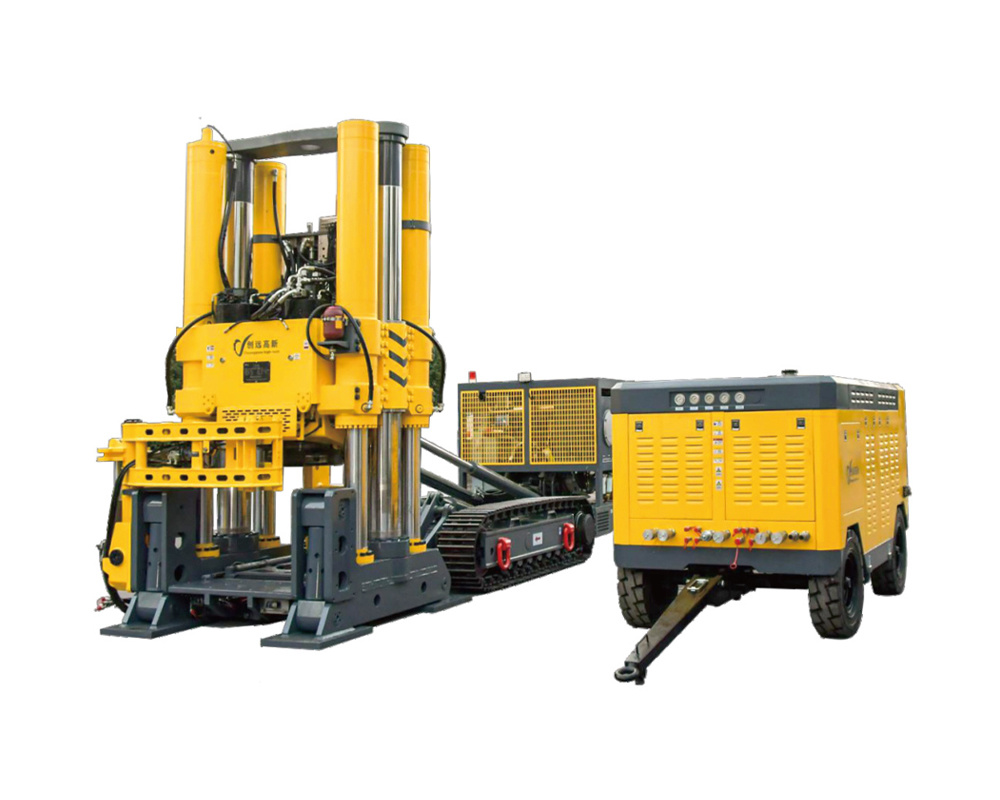
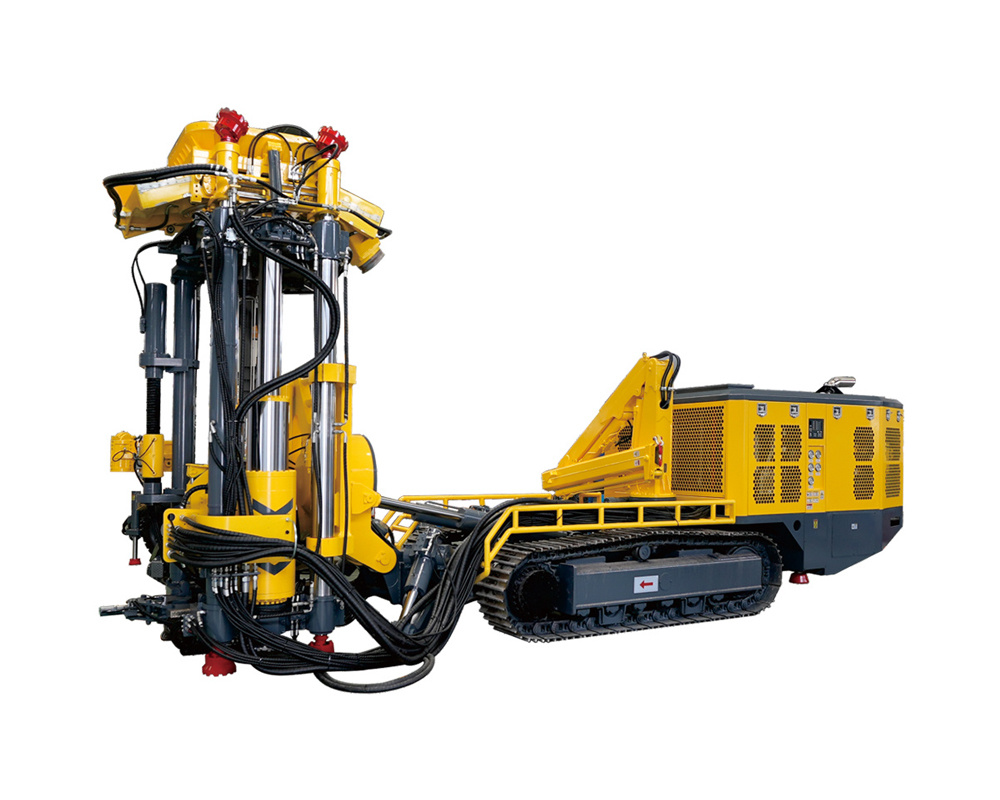
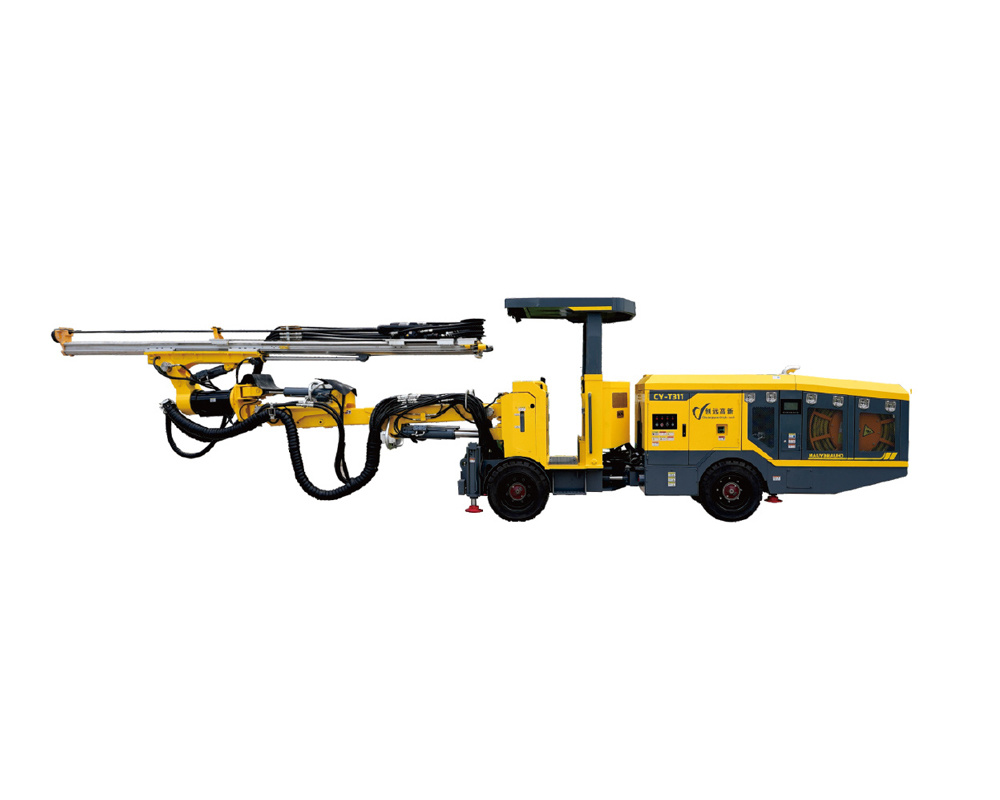
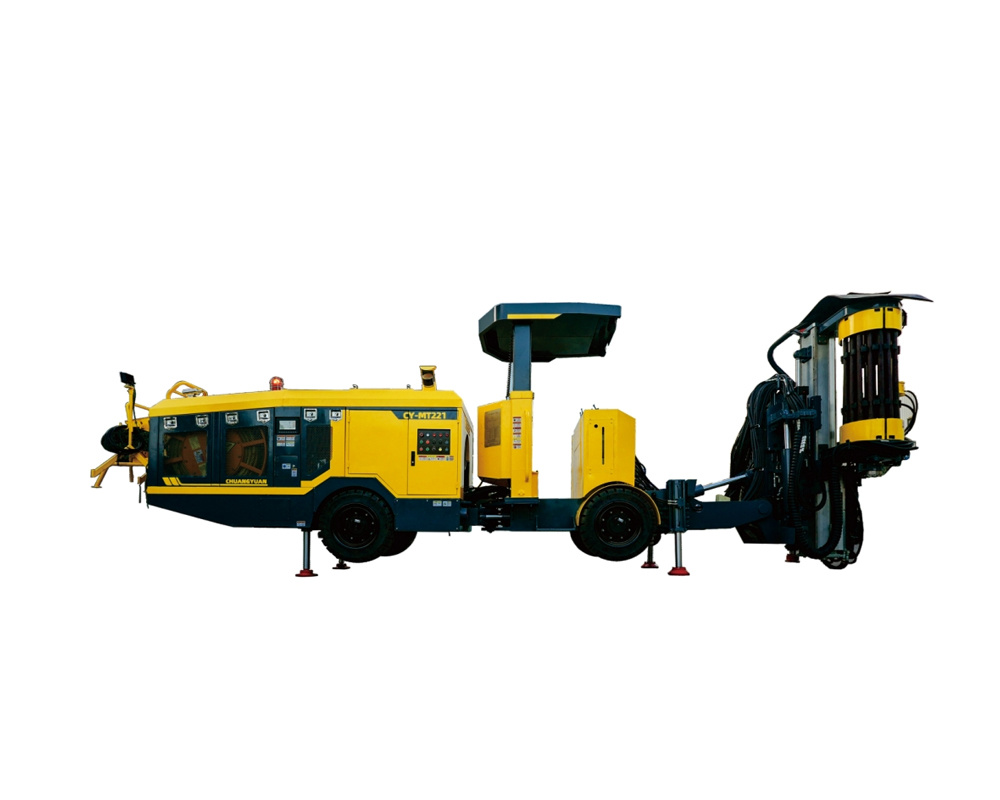
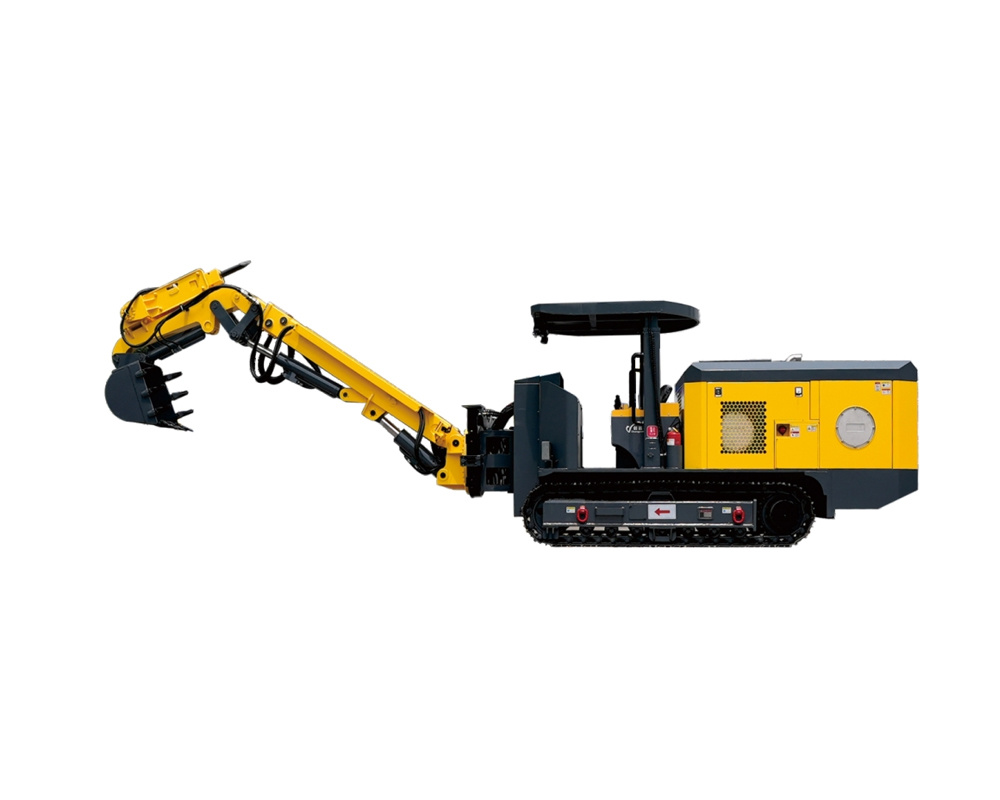
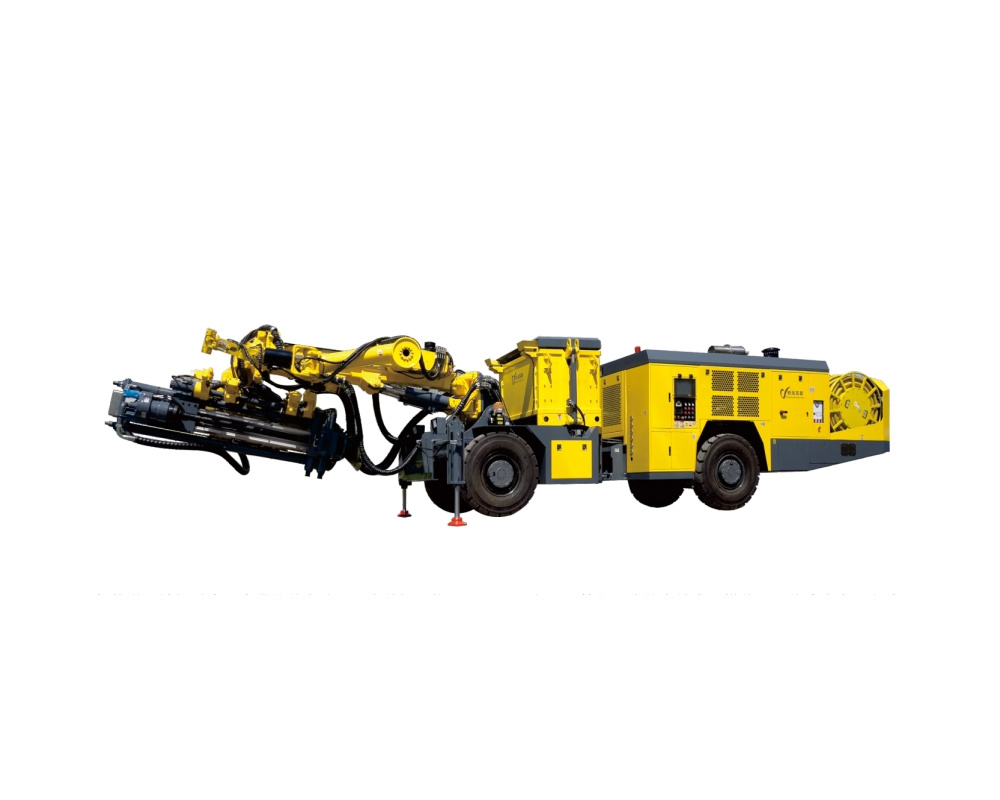
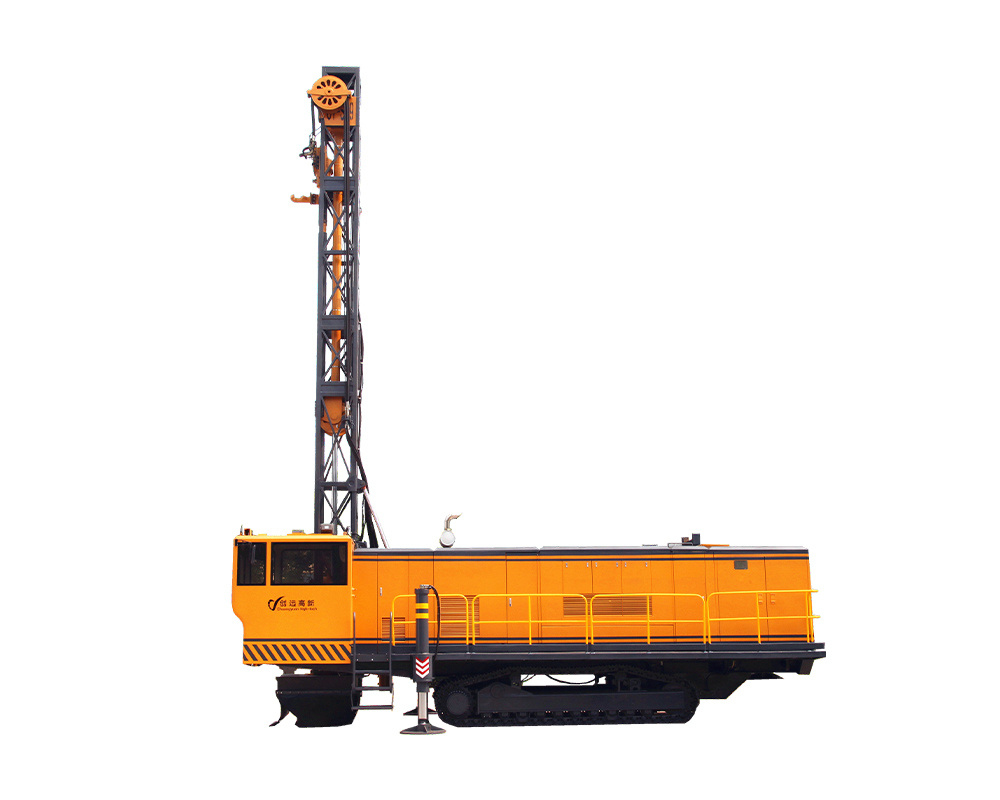
Underground Mining Roadheaders – Top Models Reviewed for 2026
2026-10-15

The roadheaders market reaches $1.8 billion by 2026. Four models lead: Sandvik MR361, MR520, Mitsui Miike MRH-S400, and Antraquip AQ1000. The MR361 balances versatile performance; the MR520 powers hard rock; the MRH-S400 cuts coal; the AQ1000 fits tight spaces. These brands guarantee dependable support. Minostar AM 105 and FAMUR R-130 suit wide headings. The MR361 remains the top roadheader for underground mining.
| Metric | Value |
|---|---|
| Roadheaders market size, 2026 | $1.8 billion |
| Roadheaders market size, 2035 | $2.96 billion |
| CAGR (2026–2036) | 5.7% |
Key Takeaways
- Assess rock compressive strength and roadway dimensions before choosing a roadheader.
- The Sandvik MR361 offers the best all-around balance for medium-hard rock projects.
- Match the machine to the job: MR520 for hard rock, MRH-S400 for coal, AQ1000 for tight spaces.
Top Roadheader Models for Underground Mining at a Glance
The four leading roadheaders for mining share a similar layout. Each machine uses a rotating cutting head to cut rock and load debris onto a conveyor. These specifications determine which underground mining equipment matches a given roadway profile.
Key Specifications: Cutting Height, Width, Installed Power, Weight
The Sandvik MR361 provides the most complete official specifications:
- Maximum cutting height: 5,000 mm
- Maximum cutting width: 7,500 mm
- Installed power: 452 kW
- Weight: 67,000 kg
Official data for the other three remain unavailable, but general capacities are known. The MR520 cuts heavy ground, the MRH-S400 suits coal, and the AQ1000 handles smaller headings. These capacities shape equipment selection for tunneling projects in tunnels with varying widths.
Roadheaders vs. Alternative Models: Why These Four Lead in 2026
These four brands lead the market through reliable after-sales support. Sandvik offers the best power-to-weight balance. Mitsui Miike dominates soft-rock applications. Antraquip offers a low-cost compact option. Roadheaders like the Minostar AM 105 and FAMUR R-130 cover large cross-sections, but the four primary models command the largest installed base. Operators choose these roadheaders for their support networks; these roadheaders deliver consistent results in mining operations.
Rock Hardness Limits and Machine Selection
Rock compressive strength is the primary selection criterion. The table below shows the effective ranges:
| Machine | Effective uniaxial compressive strength range |
|---|---|
| Sandvik MR361 | Up to 80 MPa |
| Sandvik MR520 | N/A |
| Mitsui Miike MRH-S400 | N/A |
| Antraquip AQ1000 | N/A |
The MR361 cuts rock up to 80 MPa. The MR520 handles harder rock, though its rating remains undisclosed. The MRH-S400 works best in soft coal. The AQ1000 suits weak ground. A shaft boring roadheader may outperform a drum-based machine in very hard strata. Operators should weigh longitudinal or transverse mounted drum cutting heads, since this choice affects pick wear. The correct roadheader for underground mining depends on stable underground conditions and project goals. The mining engineers compare cost, service, and reliability before purchasing a roadheader. Pick wear remains among the top features to watch.
Individual Roadheader Reviews
These four brands each fill a specific role in heading development. Operators match machine capacities to their ground conditions. The following reviews explain where the models perform best.
Sandvik MR361: Balanced Power for Medium-Hard Rock
The Sandvik MR361 occupies the middle of the market. It cuts a maximum height of 5,000 mm and a maximum width of 7,500 mm. Installed power reaches 452 kW. The machine weighs 67,000 kg. This balance suits medium-hard rock up to 80 MPa.
Operators use the MR361 as the most balanced roadheader for underground mining in 2026. Its boom-mounted cutting drum attaches to a robust boom. This design allows precise profiling of arched and rectangular headings. The machine loads debris directly through an integrated conveyor.
The MR361 handles openings with cross-sections up to 40 m². Its wide cutting range reduces repositioning cycles. The drum cuts a clean profile with each pass. A roadheader cutting drum drive power of 452 kW provides the torque needed for continuous excavation.
Sandvik supports this model with a global network. Operators can find spare parts in major mining regions. Many contractors choose the MR361 as their first full-size machine. The machine's capacities cover most soft and medium ground.
Sandvik MR520: Heavy-Duty Cutting for Hard Rock
The Sandvik MR520 targets harder strata. The manufacturer does not publish official specifications. The machine's reputation is clear. This heavy unit cuts beyond 80 MPa. It outperforms lighter roadheaders in abrasive ground.
Hard-rock development demands a heavier roadheader. The MR520 answers that demand. Its weight provides stability. This stability reduces vibration and extends pick life. The cutting head delivers high breakout force. The boom assembly lets operators shape complex profiles.
The MR520 suits roadway development ahead of longwall panels. It also excavates large chambers. Production teams choose this model when schedules are tight. The machine's weight contributes to lower cutter wear. It achieves higher advance rates in medium and hard rock. Operating costs remain predictable because the cutting teeth wear evenly.
Mitsui Miike MRH-S400: Coal and Soft-Rock Workhorse
Mitsui Miike builds the MRH-S400 for coal seams underground. This machine specializes in soft-rock excavation. It delivers reliable performance in gas-bearing mines. The Japanese manufacturer has a long history of building these machines.
This unit uses a transverse cutting assembly. The layout suits continuous cutting of coal and mudstone. A transverse header also handles weak floor conditions. The machine performs well in seams with compressive strength below 40 MPa. Its production capacities reach 200 m³ per hour in favorable conditions.
Pick wear ranks among the top features that operators monitor daily. The MRH-S400 keeps pick consumption low through stable rotation. The machine operates dependably underground in confined entries. Mitsui Miike support remains strong in Asia. The company supplies spare parts quickly.
Antraquip AQ1000: Compact Solution for Tight Spaces
Antraquip offers the AQ1000 as a compact entry. This machine fits narrow headings and small cross-sections. Its lighter frame allows easier transport through drifts. This roadheader serves budgets that cannot support larger units.
The AQ1000 cuts soft to medium rock. It accesses openings less than 10 m². A smaller drum permits precise cutting in restricted areas. Operators control the compact unit with precision.
This model reduces upfront capital requirements. Maintenance costs remain low. Antraquip positions the AQ1000 as an alternative to conventional drill-and-blast. It works well in rock drifts where space limits larger equipment.
The machine excels in infrastructure work such as ventilation drifts and escape ways. It also suits utility drifts. The compact dimensions lower logistics costs during relocation.
Minostar AM 105 and FAMUR R-130: Additional Roadheader Models to Watch
Two additional roadheaders deserve attention in 2026. The Minostar AM 105 covers small and medium headings. The FAMUR R-130 handles massive cross-sections. Both brands maintain active mining customers worldwide.
The Minostar AM 105 technical specifications:
- Standard version cuts headings up to 22 m²; telescopic-boom version reaches 26 m²
- Both versions rated for rock compressive strength up to 80 MPa
- Max cutting height: 4,250 mm (standard) / 4,700 mm (telescopic)
- Max cutting width: 5,100 mm (standard) / 6,000 mm (telescopic)
- Max installed power: 201 kW; supply voltage 1000 V
- Weight: 32 t (standard) / 34 t (telescopic)
Intended underground applications of the AM 105:
- Mine roadheadings in methane and non-methane fields with methane explosion hazard classes 'a', 'b', 'c'
- Dust explosion hazard classes 'A' and 'B'
- Operators de-energize the machine when methane concentration rises to 2%
- Cutting old concrete foundations and waste rock in spoil heaps
- CE marked
The AM 105 provides a mid-range option between the AQ1000 and the MR361. Its telescopic boom adds versatility. The roadheader drum on the AM 105 spins at a moderate speed, reducing vibration.
The FAMUR R-130 technical specifications:
- Length approx. 12,000 mm; height 2,560 mm; width 3,050 mm
- Weight approx. 120 t; ground pressure 0.17 MPa
- Supply 1000 V/50 Hz; cutting-head motor 300 kW
- Total installed power 478 kW
- Max cutting cross-section 50/41 m²
- Max cutting height 5,400–5,900 mm; max cutting width 7,900/8,900 mm
- Cutting speed 1.4 m/s; travel speed 0–3.5 m/min
- Conveyor speed 0.8 m/s; hydraulic pressure 250 bar
Primary mining uses of the R-130:
- Rock salt, potash, and anhydrite mines
- Driving preparatory roadways in longwall districts
- Excavating chambers and access galleries in salt and potash mines
- Infrastructure tunnels
- Cutting rock up to 160 MPa; advanced variant cuts anhydrite up to 230 MPa
The R-130 competes directly with the largest Sandvik models. Its 300 kW cutting-head motor produces strong advance rates. The cutting drum spins at 1.4 m/s. Operators with wide openings should evaluate this unit. The machine cuts cross-sections of 50 m² in one pass.
Which Roadheader for Underground Mining Fits Your Project?
The right roadheader for underground mining balances four variables: rock compressive strength, roadway dimensions, production targets, and operating costs. A machine with excessive power inflates maintenance bills in soft ground. A lighter unit stalls in hard strata. Engineers often use a screening table before they compare models.
| Selection factor | Practical guidance |
|---|---|
| Rock compressive strength | Use UCS as a first screen. Abrasivity, jointing, groundwater, and in-situ stress matter just as much. |
| Roadway dimensions | Match boom reach, turning radius, and clearances to the actual access routes and final profile. |
| Production targets | Compare verified field performance, not just motor power, in similar geology. |
| Operating costs | Build a total-ownership worksheet that includes energy, tooling, transport, training, downtime, and resale value. |
Coal and Soft Rock: Mitsui Miike MRH-S400
Operators driving entries in soft strata should select the Mitsui Miike MRH-S400. This unit demonstrates its value in coal mining operations where the compressive strength stays below 40 MPa. The transverse cutting assembly keeps cutter consumption low and produces a stable floor profile. In favorable conditions, the machine sustains production capacities of roughly 200 cubic meters per hour. Crews appreciate the simple maintenance layout and the reliable support network in Asia. The MRH-S400 does not chase hard-rock production records; it delivers consistent daily advance.
Hard-Rock Development: Sandvik MR520
When the ground exceeds 80 MPa, the Sandvik MR520 earns its place. Weight and stability allow the cutting head to maintain contact with abrasive rock without excessive vibration. The boom delivers high breakout force, and the integrated conveyor clears muck continuously. Production teams choose this unit for roadway development ahead of longwall panels and for large chambers. Tooling costs stay predictable because the machine's mass absorbs shock. Operators should verify that access routes and floor load limits can handle the MR520 before purchase.
Tunnels and Wide Headings: Sandvik MR361
The Sandvik MR361 suits projects that demand flexibility across medium-hard rock. Its 7,500 mm cutting width and 5,000 mm height allow operators to profile arched and rectangular headings up to 40 square meters. The 452 kW installed power provides enough torque for rock up to 80 MPa. A single machine can cut a 7.5-meter-wide tunnel without repositioning, which shortens cycle times. This model handles both mine roadways and civil tunnels with minor configuration changes. Its 67,000 kg weight requires a stable floor but delivers smooth cutting in mixed ground. For operators who compare roadheaders, the MR361 remains the all-around choice.
Space-Constrained or Budget-Conscious: Antraquip AQ1000
Narrow drifts and low budgets call for the Antraquip AQ1000. This compact machine accesses openings under 10 square meters, where larger units cannot tram. Its lighter frame reduces transport logistics and ground pressure. The AQ1000 cuts soft to medium rock with a precision that drill-and-blast cannot match in tight quarters. Maintenance demands remain modest, and the purchase price sits below full-size competitors. Contractors use this model for ventilation drifts and escape ways. The small power pack limits production capacities in harder rock, but the machine fits constraints that larger units cannot.
High-Cross-Section Development: FAMUR R-130
Wide openings in salt, potash, and anhydrite demand the FAMUR R-130. This 120-ton machine cuts cross-sections up to 50 square meters in a single pass. Its 300 kW cutting-head motor drives a drum at 1.4 meters per second. Operators in high-output mines choose this model to drive preparatory roadways ahead of longwall districts. The R-130 handles rock up to 160 MPa; the advanced variant raises the limit to 230 MPa in anhydrite. Ground pressure stays at 0.17 MPa, which lets the machine work on weaker floors. For projects that need massive advance rates, this model sets the benchmark.
Selection Criteria Beyond the Spec Sheet
Cutting Hardness and Ground Conditions
Uniaxial compressive strength (UCS), abrasiveness, and ground stability drive the final decision. The table below summarizes their effects.
| Factor | Effect on selection and tool wear |
|---|---|
| UCS | High compressive strength beyond the pick range demands disc cutters. Picks raise specific energy and wear fast. |
| Abrasiveness (CAI) | CAI above 3.5 requires premium carbide or PDC inserts. Abrasive ground wears picks within one to two hours. |
| Ground stability | Fault zones affect head design and support planning. Vibration and torque signatures warn crews before fault crossings. |
Engineers treat UCS as the first screen. Abrasiveness, jointing, groundwater, and in-situ stress matter equally. Ground stability shapes the cutting head design and tooling metallurgy. A matching machine produces lower wear rates.
Roadway Dimensions and Machine Weight
Boom reach and turning radius must match access routes. A compact unit fits narrow drifts; a heavy unit demands a stable floor. Ground pressure limits machine weight. The largest roadheader models require reinforced roadways. Their capacities assume stable floor conditions.
Operating Cost, Maintenance, and Cutter Wear
Ownership cost spans energy, tooling, transport, training, downtime, and resale value. Cutter wear remains one of the top features to monitor daily. Reliable brands maintain stable pick rotation and reduce consumption. Rotation speed of the drum and advance rate affect tool life. Field capacities change with pick condition.
After-Sales Support and Parts Availability
Global service networks separate market leaders from niche builders. Engineers in mining operations ask about spare parts lead times before signing. Extensive road header service coverage reduces downtime. Dealers of underground equipment stock wear parts locally. Strong support teams keep tunneling projects moving.
For most underground mining operations in 2026, the Sandvik MR361 remains the strongest all-around roadheader. Choose the MR520 for heavier production targets, the MRH-S400 for soft coal, or the AQ1000 for tight budgets. These roadheaders lead their classes. Final decisions rest on rock strength, cross-section needs, operating cost, and service support.
FAQ
What is the hardest rock a roadheader can cut?
Standard pick-equipped roadheaders cut rock up to 80 MPa. Heavy-duty units like the FAMUR R-130 handle material up to 160 MPa. The advanced variant reaches 230 MPa in anhydrite.
How does a roadheader differ from a continuous miner?
A roadheader uses a boom-mounted cutting head for arched and rectangular headings. A continuous miner uses a fixed drum suited to coal seams. Roadheaders provide greater flexibility.
What factors accelerate cutting pick wear?
Rock compressive strength, abrasiveness, and advance rate drive pick wear. Ground with a CAI above 3.5 wears picks within one to two hours. Regular drum rotation extends tool life.
Related Recommendations
Contact Information
Service Hotline:
400-873-5166
Email:
hncy9988@126.com
Address:
Building C-3, Huanchuang Park, No. 2450, Yuelu West Avenue, Changsha Hi-Tech Development Zone, China

What can we help you find?
Address: Building C3, Huanchuang Enterprise Plaza, 2450 Yuelu Avenue West, Changsha, Hunan Province, P.R.C.
Copyright © 2025 Hunan Chuangyuan HIGH-TECH Machinery Co., Ltd.