

-
-
-
-
Service
-
Contact Us

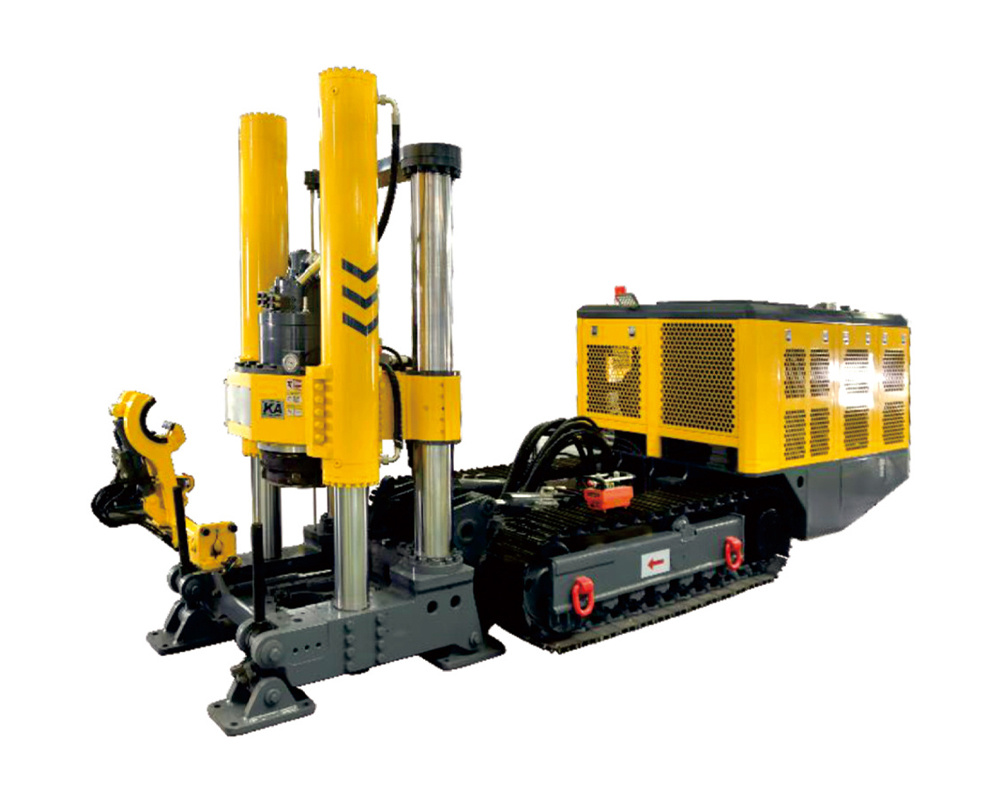
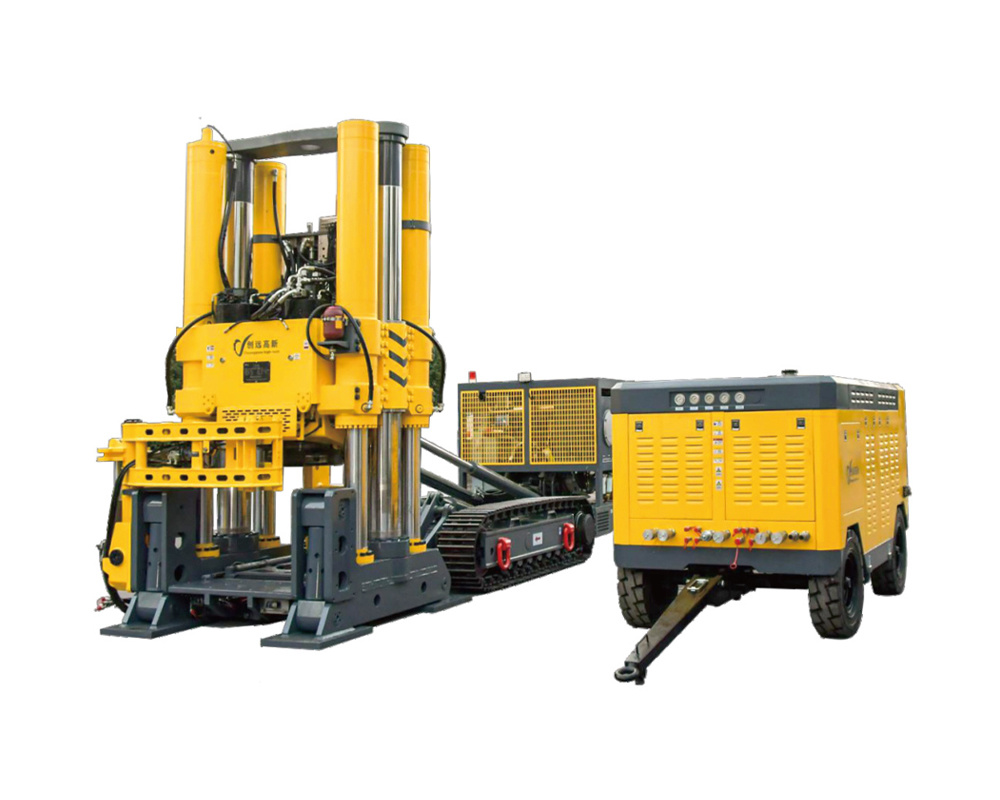
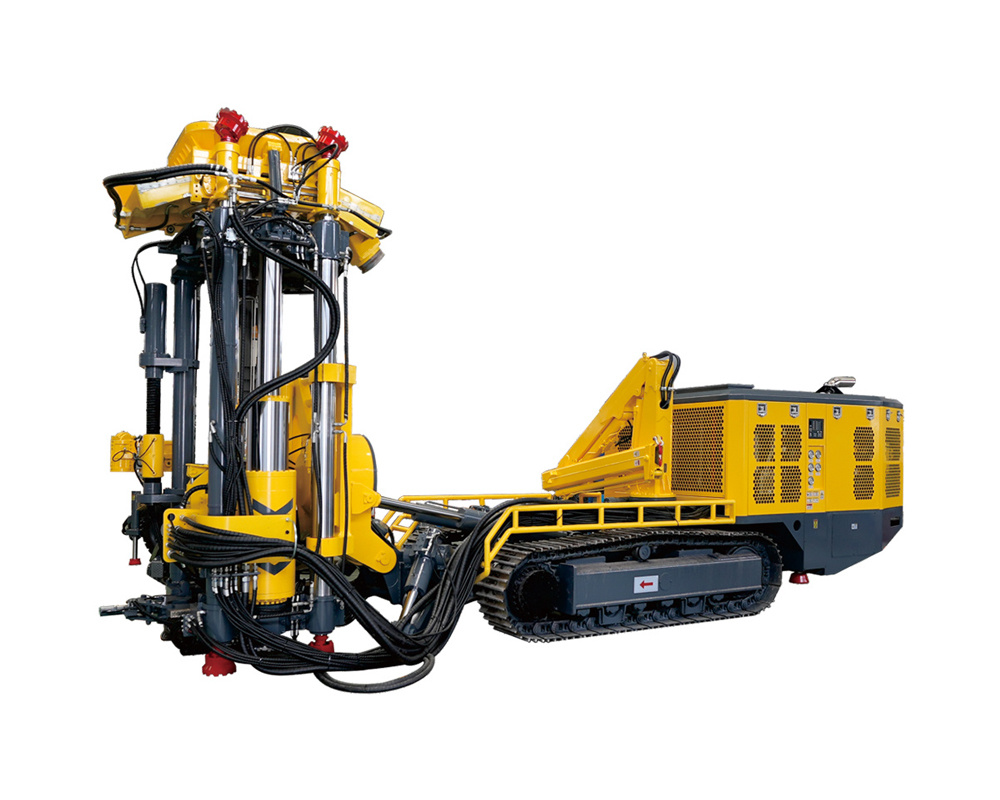
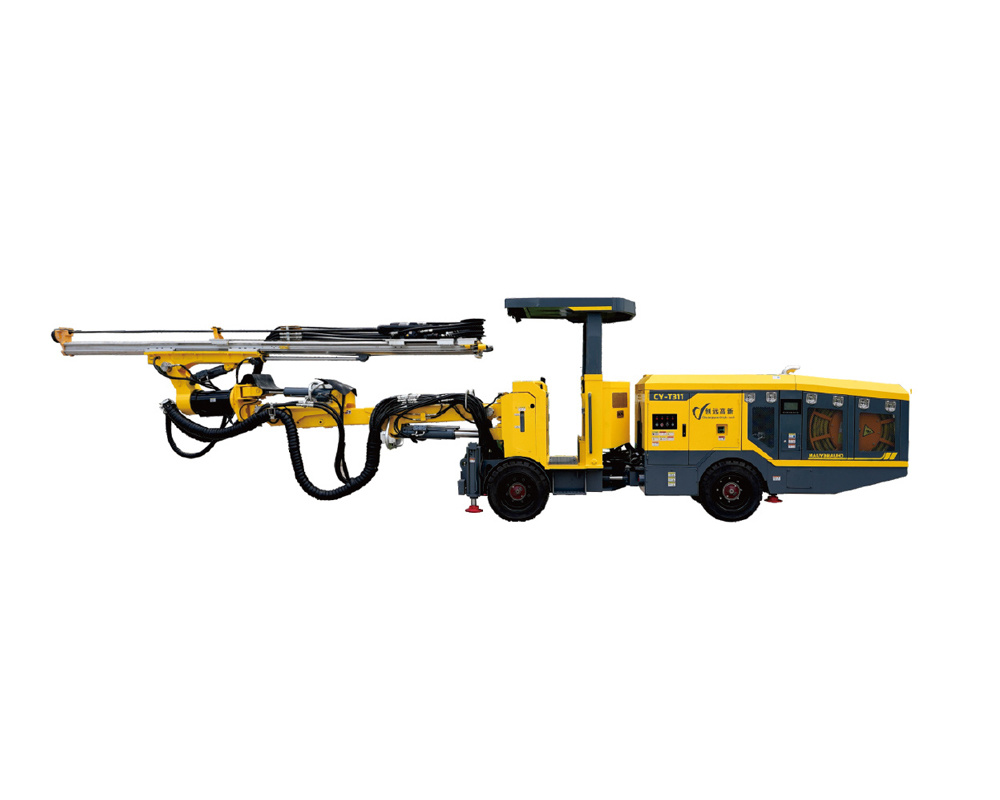
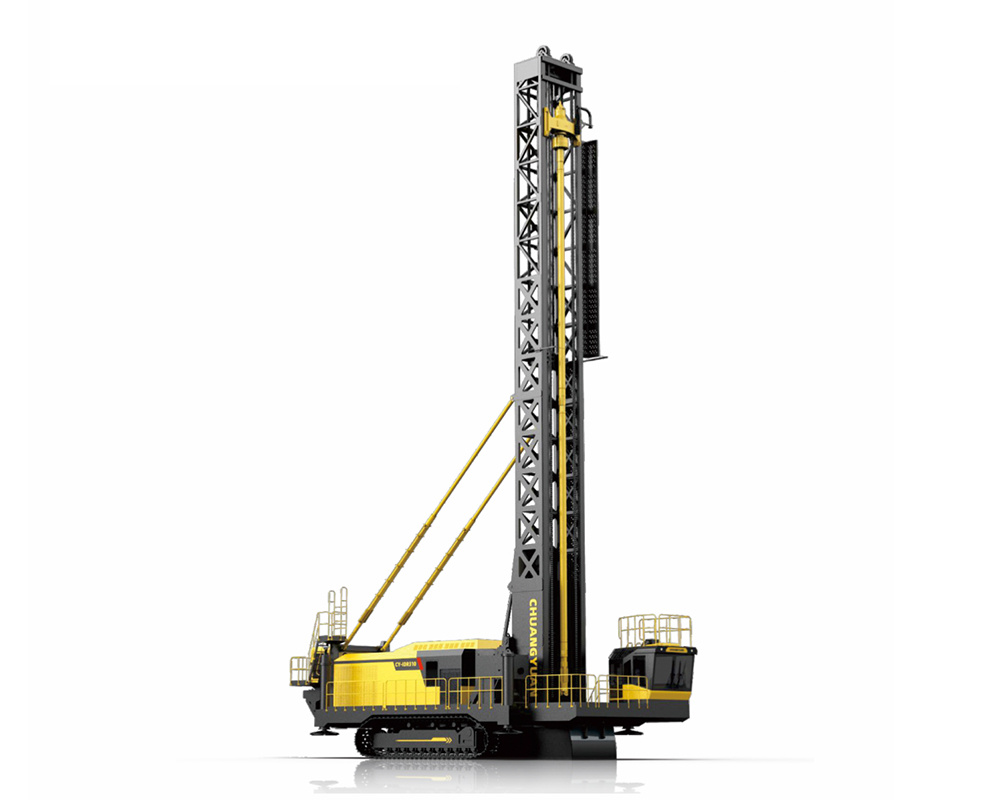
Roadheader vs Drill and Blast Which Is Better for Tunneling
2026-10-10

The better excavation methods depend on project specifics. A tunnel roadheader machine excels in soft to medium-hard rock and urban settings with strict vibration limits. Drill and blast wins in hard rock and large-scale projects. To compare the two methods, engineers weigh speed, cost, safety, ground conditions, and scale. A roadheader suits sensitive sites, while drill and blast fits remote tunnels where blasting is permitted. TBM and drill & blast each serve different geology. The right tbm and drill & blast choice balances rock hardness and location.
Key Takeaways
- Choose a roadheader for soft to medium-hard rock and city projects with strict vibration limits.
- Choose drill and blast for hard rock and remote sites where blasting is allowed.
- Match the method to your project's geology, location, and budget for the best results.
Speed and Efficiency: Which Tunneling Method Advances Faster?

Speed decides the winner in many tunneling projects. Contractors measure progress in meters per day or meters per shift. The two methods achieve those meters through very different work patterns. One method cuts rock without stopping. The other method repeats a fixed sequence of steps. Each approach delivers strong results under the right conditions.
Continuous Cutting with Tunnel Roadheader Machine
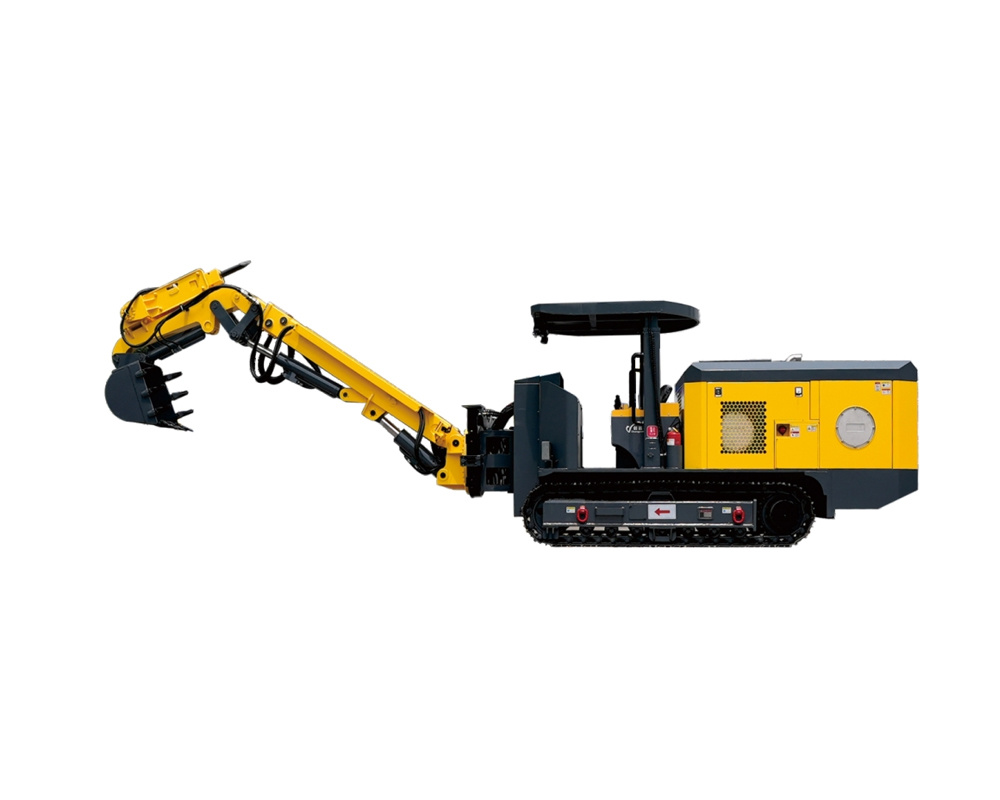
A tunnel roadheader machine attacks the rock face with a rotating boom-mounted cutting head. The machine swings this head across the face in a sweeping motion. Rock breaks away in small pieces. A loading arm collects the debris and moves it to a conveyor or haulage system. The machine then advances on its tracks to the next position. This process continues with very few interruptions.
The continuous nature of this work gives the tunnel roadheader machine a clear speed advantage in soft to medium-hard rock. The machine cuts, loads, and advances in one smooth operation. Workers do not need to stop for ventilation after each cut. They do not need to wait for fumes to clear. The roadheader can maintain steady progress throughout a shift. Production rates in favorable ground often reach higher daily totals than a comparable drill and blast cycle.
Mechanized excavation methods like this also reduce the number of separate tasks at the face. One machine performs the cutting and loading. Ground support crews follow behind at a safe distance. This parallel activity keeps the whole operation moving. The result is a predictable, continuous advance that project planners can schedule with confidence.
Drill-Blast Cycle Advantages
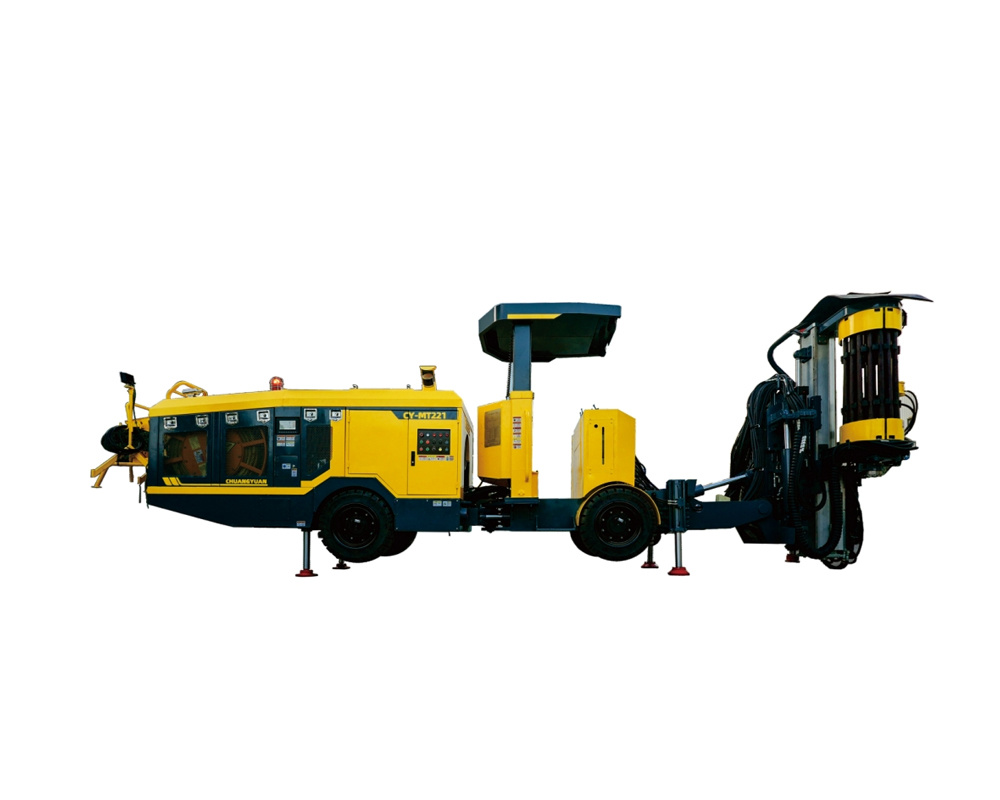
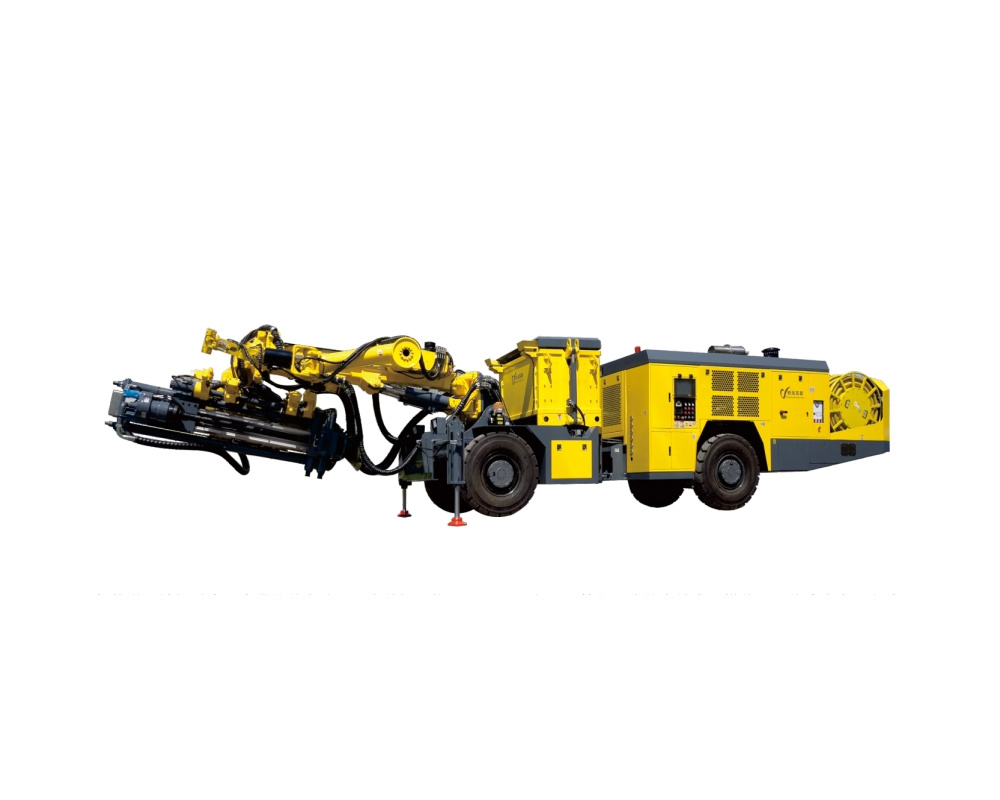
The drill & blast technique follows a fixed sequence for every round. Workers drill a pattern of blast holes into the rock face. They load the holes with explosives. They detonate the charge and ventilate the fumes. Mucking crews remove the broken rock. Scaling crews knock down loose material. Support crews install rock bolts, mesh, or shotcrete. Finally, the crew extends utilities forward. This complete cycle repeats for each round of advance.
The standard cycle consists of drilling blast holes, loading explosives, blasting, ventilating fumes, mucking, scaling, installing ground support, and advancing utilities. Because this complete cycle is repeated for each round, typical excavation rates are only 3 to 5 m per day; therefore the combined duration of drilling, charging, blasting, mucking, and support directly sets the practical overall advance rate.
Each step in the cycle offers room for optimization. A three-month field trial covering 171 blasting cycles tested this idea. Engineers optimized the burn cut and the charging arrangements. The average advance per round rose from roughly 3.1 m to 3.31 m. That change delivered a 6.8% gain. The drilling, charging, and blasting portion of the cycle directly controls the meters advanced per blast. The achieved cyclic advance then accelerates the overall tunneling schedule.
Modern drill and blast operations achieve impressive round lengths when crews fine-tune the pattern. The table below shows how blasting pattern design affects theoretical advance.
| Blasting pattern | Drill length | Theoretical advance |
|---|---|---|
| Single V-cut | 1.6 m | 1.3 m |
| Double V-cut | 2.4 m | 2.0 m |
Larger operations push drill lengths even further. Typical modern drill hole length, or round length, ranges from 5.5 m to 5.8 m. The NTNU model uses a baseline drill length of 5.0 m. That model predicts a pull, or advance ratio, of 91%. An empirical database shows a pull of 95%. These numbers show that drill and blast can compete on speed when crews master the cycle and the geology allows long rounds.
Hard Rock Limitations for Roadheader
The tunnel roadheader machine struggles when rock hardness climbs. Cutting picks wear down quickly in strong, abrasive rock. The boom-mounted cutting head cannot generate enough force to break very hard formations efficiently. Production rates drop sharply. Pick consumption rises. Maintenance stops become more frequent. These problems erase the speed advantage that roadheaders enjoy in softer ground.
A tunnel boring machine, or TBM, handles hard rock far better than a roadheader. The TBM uses high thrust and continuous cutterhead rotation to grind through strong rock. Excavation using TBM achieves steady advance rates in conditions that would stall a roadheader. This is why hard rock projects rarely choose a roadheader as the primary machine. The TBM becomes the preferred choice when rock strength exceeds the practical cutting limit of pick-based equipment.
The practical threshold for roadheader cutting typically falls in the range of medium-hard rock. Beyond that point, the machine slows dramatically. Contractors then face a choice. They can switch to drill and blast, or they can bring in a TBM. Both alternatives outperform the roadheader in hard, abrasive ground. The decision then depends on project scale, location, and budget rather than raw cutting speed alone.
Speed and efficiency therefore depend on matching the method to the ground. A roadheader wins in soft to medium-hard rock with its continuous cutting action. Drill and blast wins in hard rock where long rounds and optimized cycles deliver steady daily advance. The TBM dominates when rock strength and project length justify the investment. No single method advances fastest everywhere.
Cost Comparison: Roadheader vs Drill and Blast
Cost drives every major decision in tunnel construction. Project owners compare capital expenses, operating expenses, and hidden compliance costs before selecting equipment. The tunnel roadheader machine and the drill & blast technique carry very different cost profiles. Each method shifts expenses to different phases of the project. Understanding these patterns helps planners avoid budget surprises.
Upfront Equipment and Mobilization
A roadheader demands a significant capital investment at the start. The machine itself costs millions of dollars depending on size and cutting power. Transport to the site adds another layer of expense. Large roadheaders require special hauling permits and heavy-lift equipment. Assembly at the portal takes days or weeks. The project must also build power infrastructure to support the machine's electric motors. These upfront costs hit the budget before any rock breaks.
Drill and blast spreads its upfront costs across many smaller items. Contractors purchase drilling rigs, explosives, detonators, and loading equipment. Each item costs far less than a roadheader. Mobilization happens quickly because the equipment arrives in standard trucks. The crew sets up a magazine for explosive storage and establishes ventilation systems. These tasks require less capital than a roadheader assembly.
Tunnel drive length shapes this comparison. A roadheader competes well with drill and blast for shorter drives. The investment must suit the tunnel length. A short tunnel cannot justify a large machine purchase. A long tunnel changes the math entirely. The table below summarizes how drive length and other factors affect the cost balance.
| Cost Factor | Roadheader | Drill and Blast |
|---|---|---|
| Tunnel drive length / distance | Competitive with drill and blast for shorter drives; investment must suit tunnel length | Cannot compete with TBMs for drives longer than 3 km; closer competitive position to roadheaders |
| Process continuity | Offers an almost continuous excavation process | Cyclical by nature, reducing productivity continuity |
| Flexibility for changed sections and ancillary work | Relatively adaptable to changed sections and ancillary work, though larger equipment reduces this advantage | Relatively adaptable to changed sections and ancillary work, though larger equipment reduces this advantage |
| Balance of flexibility vs. productivity | Method choice reflects a natural trade-off between flexibility and potential productivity | Method choice reflects a natural trade-off between flexibility and potential productivity |
A tbm cannot compete with drill and blast for drives longer than 3 km in some cost models. The tbm carries enormous upfront costs that only very long tunnels can absorb. Roadheaders and drill and blast stay closer in competitive position for medium-length drives. This pattern makes the upfront decision a question of scale.
Operating Costs in Hard Rock
Operating costs tell a different story as rock hardness increases. A roadheader burns through cutting picks at an alarming rate in hard, abrasive rock. Each pick costs money. Each replacement stops production. The machine also consumes more power when the rock fights back. These factors drive operating costs upward in conditions beyond the machine's sweet spot.
The drill & blast technique flips this equation. Hard rock actually suits the method. Explosives break strong rock efficiently. The cost per cubic meter of broken rock stays relatively stable across a wide range of rock strengths. Contractors pay for drilling, explosives, and labor. These costs remain predictable even in very hard formations.
Process continuity affects the long-term cost picture. A roadheader offers an almost continuous excavation process. This continuity spreads fixed costs over more production hours. The machine keeps cutting while support crews work behind it. Labor costs per meter drop when the machine maintains steady progress. Drill and blast operates in cycles by nature. Each cycle includes downtime for ventilation, mucking, and support installation. This cyclical pattern reduces productivity continuity. More labor hours go into each meter of advance.
The balance between flexibility and productivity shapes operating costs over the project life. Method choice reflects a natural trade-off between these two goals. A roadheader adapts to changed sections and ancillary work with relative ease. Larger equipment reduces this advantage. Drill and blast offers similar flexibility for changed sections. The cost of that flexibility shows up in slower cycle times and more labor hours.
Permitting and Compliance Costs
Permitting costs often surprise project planners. Blasting requires extensive permits from local, state, and federal agencies. Each permit carries fees and processing time. The project must also conduct vibration studies, noise assessments, and structural surveys of nearby buildings. These studies add weeks to the schedule and thousands of dollars to the budget. Insurance premiums for explosive work run higher than for mechanical excavation.
A roadheader avoids most of these costs. Mechanical cutting produces no blast fumes and far less vibration. Permitting focuses on noise, dust, and traffic. These permits cost less and arrive faster. The project saves money on insurance as well. Workers face fewer hazardous materials. Compliance with local noise ordinances becomes simpler when the machine cuts rock instead of blasting it.
Urban projects feel these cost differences most sharply. A tunnel in a dense city faces strict vibration limits. Blasting near historic buildings or hospitals may be prohibited outright. The roadheader becomes the only viable option regardless of other cost factors. The permitting savings offset the machine's higher upfront price. This trade-off explains why excavation methods diverge so sharply between urban and remote sites.
Compliance costs also include monitoring and reporting. Blast projects must install seismographs and submit vibration data to regulators. Roadheader projects monitor noise and dust levels instead. Both approaches require documentation. The blasting path demands more frequent reporting and more agency oversight. These administrative burdens add labor costs that never appear in equipment budgets.
The total cost picture depends on project specifics. Upfront equipment costs favor drill and blast for short tunnels. Operating costs favor drill and blast in hard rock. Permitting costs favor roadheaders in urban areas. No single method wins on every cost line. Planners must weigh each factor against their unique site conditions and project goals.
Safety and Environmental Impact in Tunneling
Vibration and Noise Sensitive Sites
Urban tunneling projects face strict limits on ground movement and sound. A roadheader cuts rock mechanically and produces reduced vibrations and fumes. This advantage matters near hospitals, schools, and historic structures. Residents tolerate mechanical cutting far better than repeated blast shocks. Project managers choose this method when local ordinances prohibit explosive work.
Explosives Handling and Worker Risk
Drill & blast excavation depends on explosives for every round. Workers handle dangerous materials during transport, loading, and detonation. Each blast sends flyrock and fumes into the tunnel. The crew must clear the area before every shot. Accidents involving explosives can cause severe injuries or death. Mechanical cutting offers a safer alternative because it operates without explosives. The absence of explosives removes a major hazard from the daily workface. A tbm also avoids this risk through continuous mechanical boring.
Dust and Ventilation Control
Blasting generates large volumes of dust and toxic gases. Ventilation systems must clear these fumes before workers return to the face. This process takes time and consumes energy. Mechanical cutting produces less airborne contamination. Water sprays and local exhaust systems control dust at the source. A tbm includes built-in dust suppression and ventilation support. These features protect worker health and reduce downtime between cycles. Proper ventilation remains essential for every tunneling method. The key difference lies in the volume and toxicity of the contaminants produced.
Flexibility Across Ground Conditions: TBM or Drill & Blast?

Any rock tunneling project demands an excavation method that adapts to change. Geology shifts without warning. A tbm or drill & blast approach often depends on this flexibility. These excavation methods respond differently to mixed ground.
Mixed Ground and Changing Geology
Drill and blast adapts well to faulted, blocky, or highly mixed strata. Crews can switch patterns quickly. The tbm and drill & blast comparison in such ground favors blasting. The key advantages include:
- Drill and blast outperforms fully mechanized systems in faulted ground. Such systems struggle in blocky formations.
- Large drill jumbos preserve flexibility for variable ground and changing tunnel dimensions.
- Automatic position control offers limited benefit when rock deflects drill rods; experienced operators remain essential.
- Automatic penetration control prevents drill rods from sticking or breaking.
- Despite advances in mechanized cutting, drill and blast keeps an important role in excavation of tunnels in rock.
Hard Rock and Abrasive Formations
A roadheader loses efficiency in hard, abrasive rock. Cutting picks wear down quickly, and production slows. Explosives break strong formations without this problem. Drill and blast therefore dominates hard rock. Engineers comparing a tbm and drill & blast methods often choose blasting for shorter, harder drives.
Overbreak and Profile Control
Blasting leaves uneven tunnel walls. Overbreak creates voids beyond the design line. Crews fill these voids with extra concrete, driving up costs. Mechanical cutting follows a tighter profile and reduces overbreak. That precision makes it ideal for tunneling in soft to medium-strength rock. The same applies to roadways and tunnels in soft to medium strength rock. Accurate profiles cut support costs.
Project Scale and Location Suitability for TBM and Drill & Blast
Urban environments impose the strictest demands on excavation planners. A tunnel roadheader machine fits these conditions well. Vibration limits and noise ordinances shape the decision. Blasting near occupied buildings rarely passes regulatory review. Mechanical cutting offers a quieter alternative. This advantage makes roadheaders the standard choice for shallow urban drives.
Urban Tunnels and Restricted Blast Zones
Contractors in city centers choose mechanical excavation over drill-and-blast methods. They avoid flyrock damage and public complaints. They also satisfy strict vibration limits. Owners often select a tbm for long urban drives. Its enclosed shield supports weak ground and protects surface structures. Roadheaders remain better for variable cross-sections. Urban projects demand precise control. Both machines deliver that control.
Large-Diameter and Long-Distance Tunnels
Project scale changes the competitive balance. Tunnel boring machines dominate long-distance, large-diameter drives. They maintain steady progress for months. They also house support systems behind the cutterhead. Drill and blast loses efficiency over long distances. Each cycle demands mucking and support installation. The tbm excels where schedule certainty matters. Cost per meter decreases as drive length increases. This economic pattern favors the machine beyond a few kilometers.
Remote Sites with Few Environmental Constraints
Remote locations remove many restrictions. Blasting becomes permissible when no buildings or communities lie nearby. Drill-and-blast methods then offer lower upfront costs. They also adapt quickly to changing geology. The tbm and drill & blast comparison shifts in favor of blasting at isolated sites. No permits restrict vibration levels. Explosives remain cheaper than machine maintenance in hard rock. Contractors match the method to the setting. Tunneling projects in rural areas often use conventional blasting for these reasons.
No single method is universally superior. A roadheader suits soft or medium-hard rock and urban sites. The drill & blast technique suits hard rock or remote areas. A tbm fits long drives; a tbm also serves underground mining and tunneling. Engineers weigh geology, schedule, budget, and location first. Cost and safety break ties.
FAQ
What is the main difference between a roadheader and drill and blast?
A roadheader cuts rock mechanically with a rotating head. Drill and blast relies on explosives for each round. Each method suits different ground conditions.
Which tunneling method works best in hard rock?
Drill and blast excels in hard rock. Explosives break strong formations efficiently. Roadheaders lose speed and require frequent pick changes in these conditions.
Does a roadheader produce less vibration than blasting?
Mechanical cutting generates far less vibration than blasting. This advantage suits urban projects near buildings and sensitive structures.
Related Recommendations
Contact Information
Service Hotline:
400-873-5166
Email:
hncy9988@126.com
Address:
Building C-3, Huanchuang Park, No. 2450, Yuelu West Avenue, Changsha Hi-Tech Development Zone, China

What can we help you find?
Address: Building C3, Huanchuang Enterprise Plaza, 2450 Yuelu Avenue West, Changsha, Hunan Province, P.R.C.
Copyright © 2025 Hunan Chuangyuan HIGH-TECH Machinery Co., Ltd.