

-
-
-
-
Service
-
Contact Us

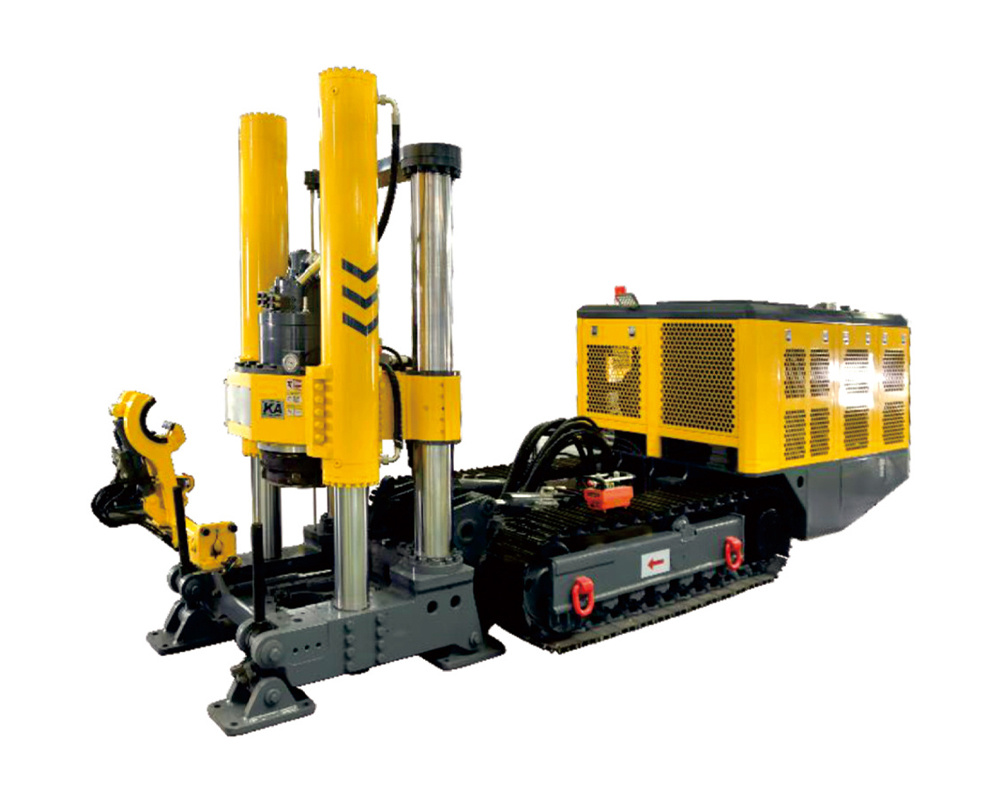
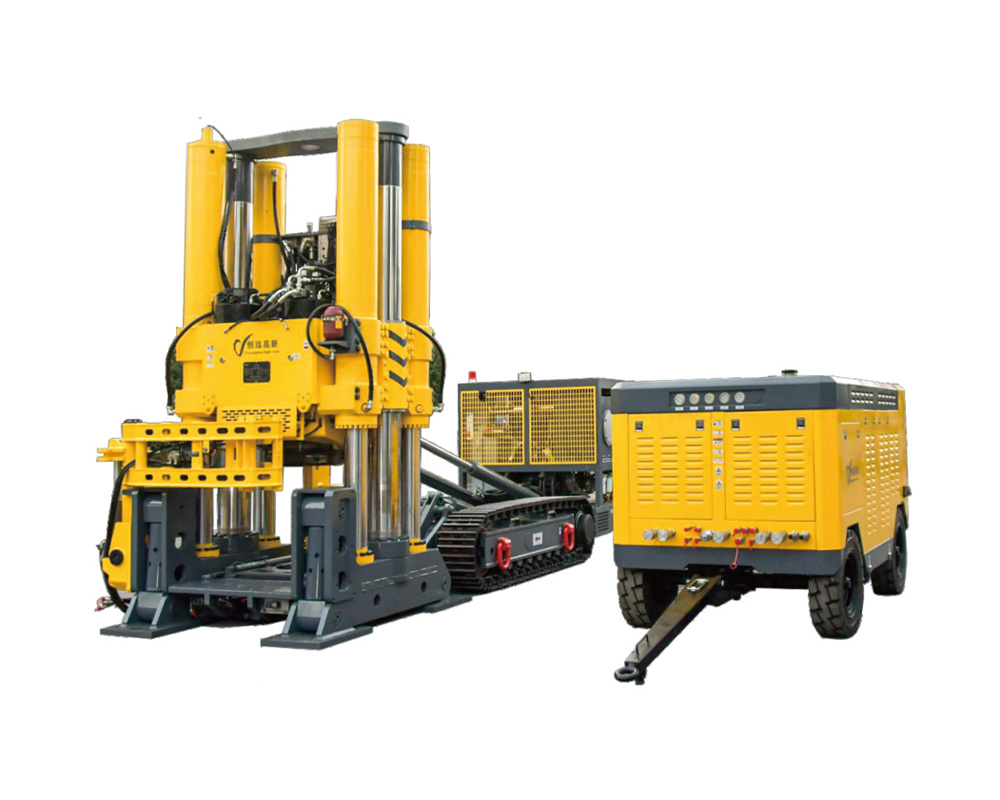
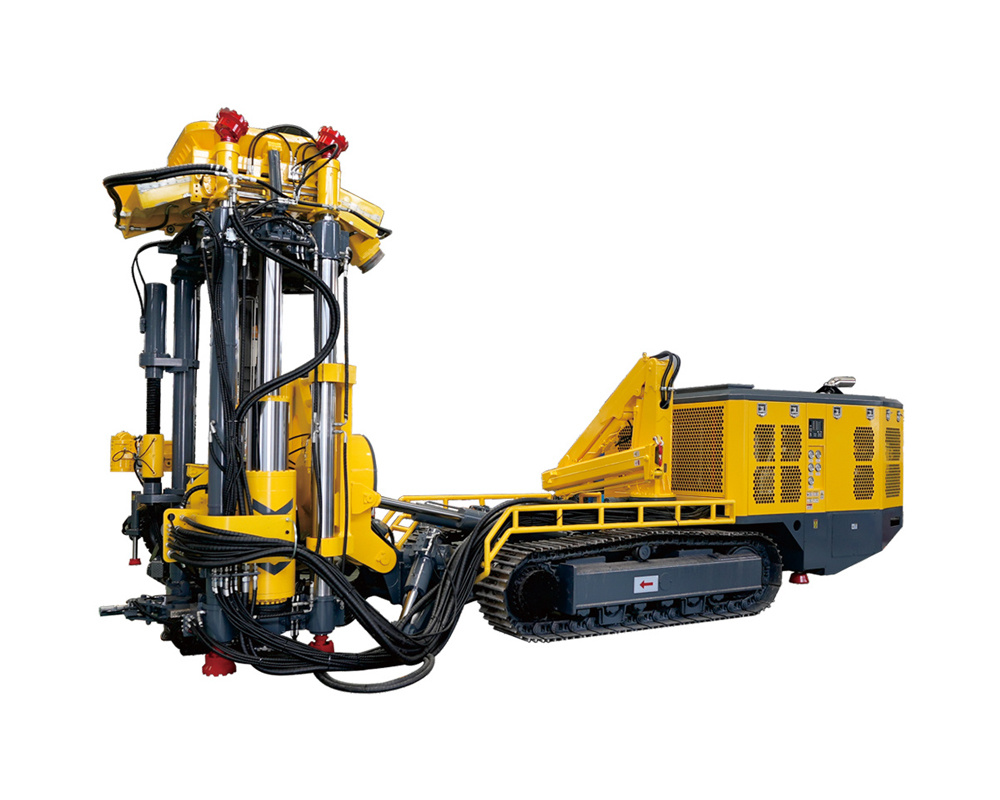
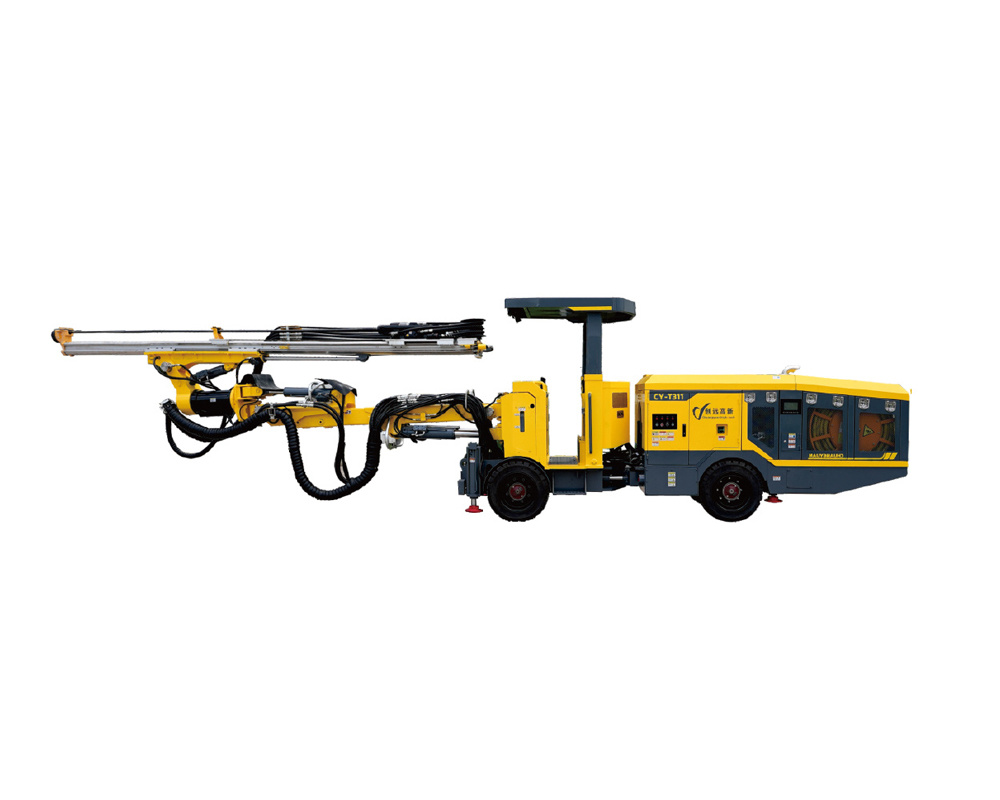
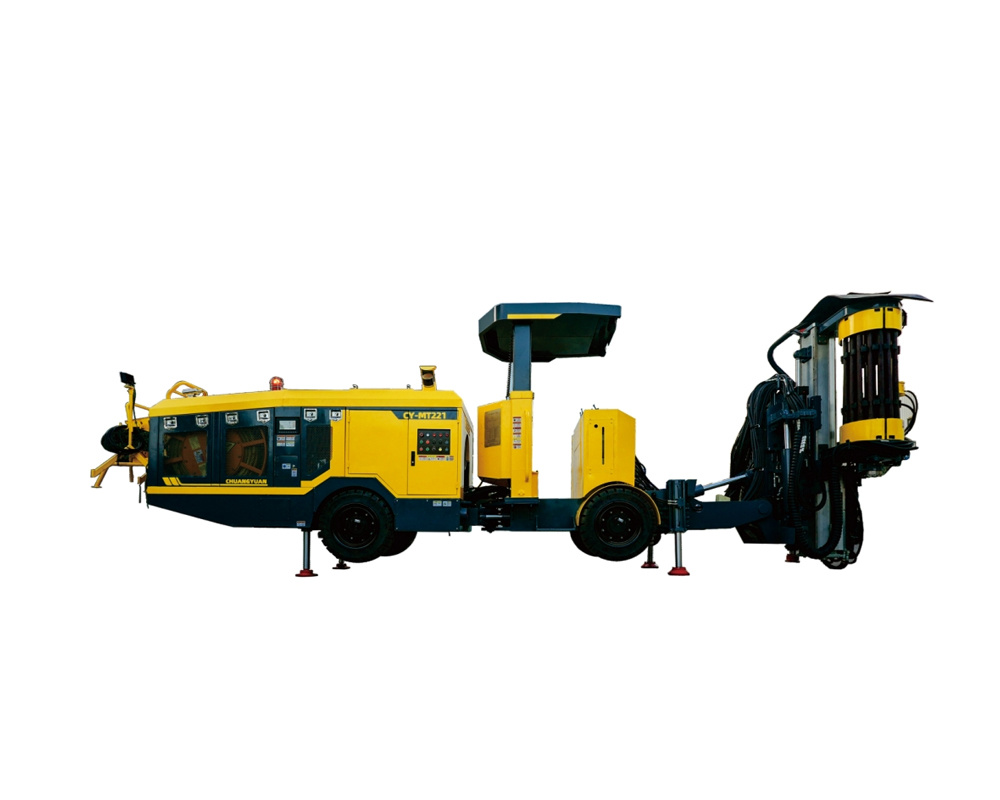
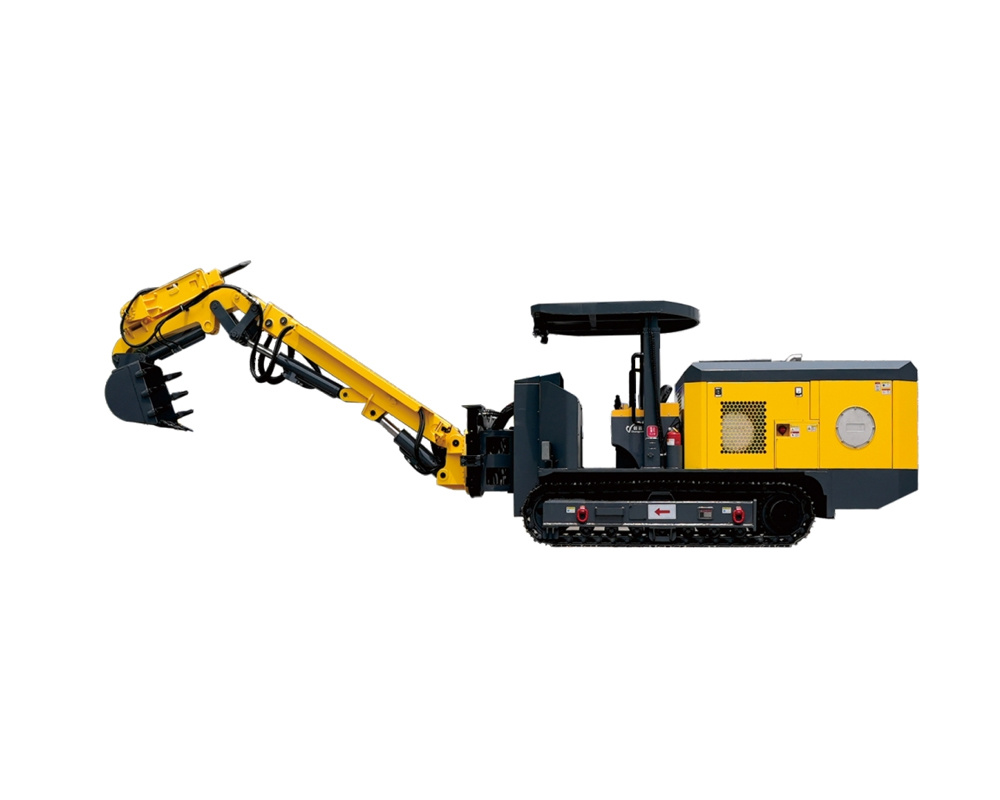
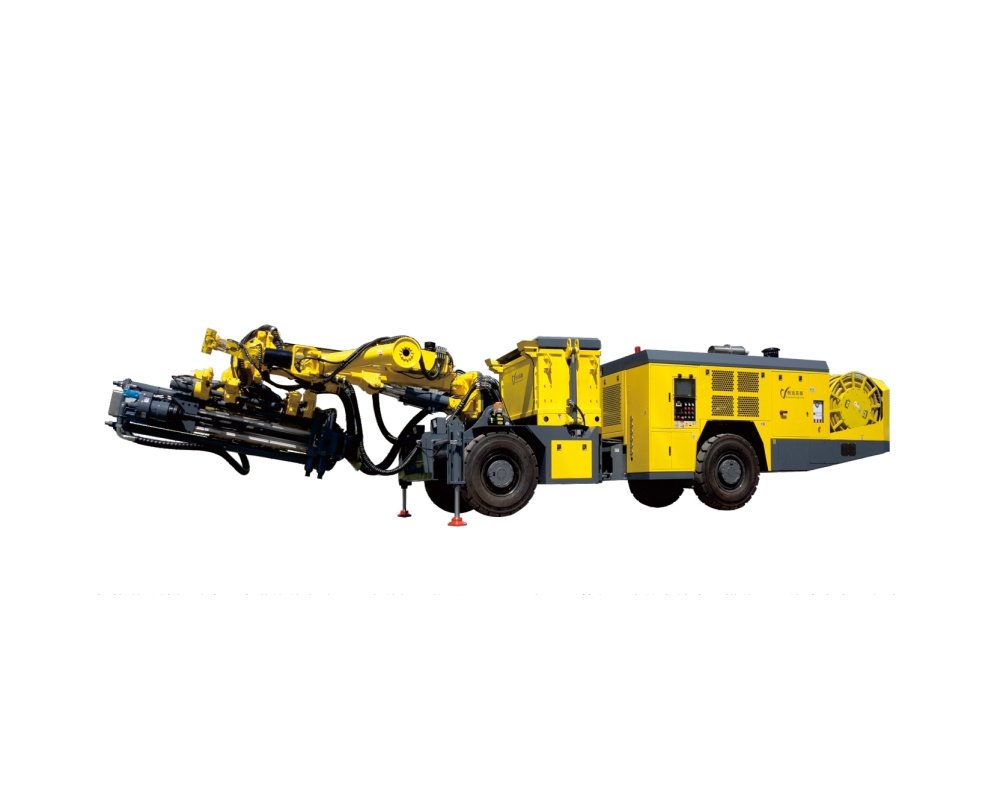
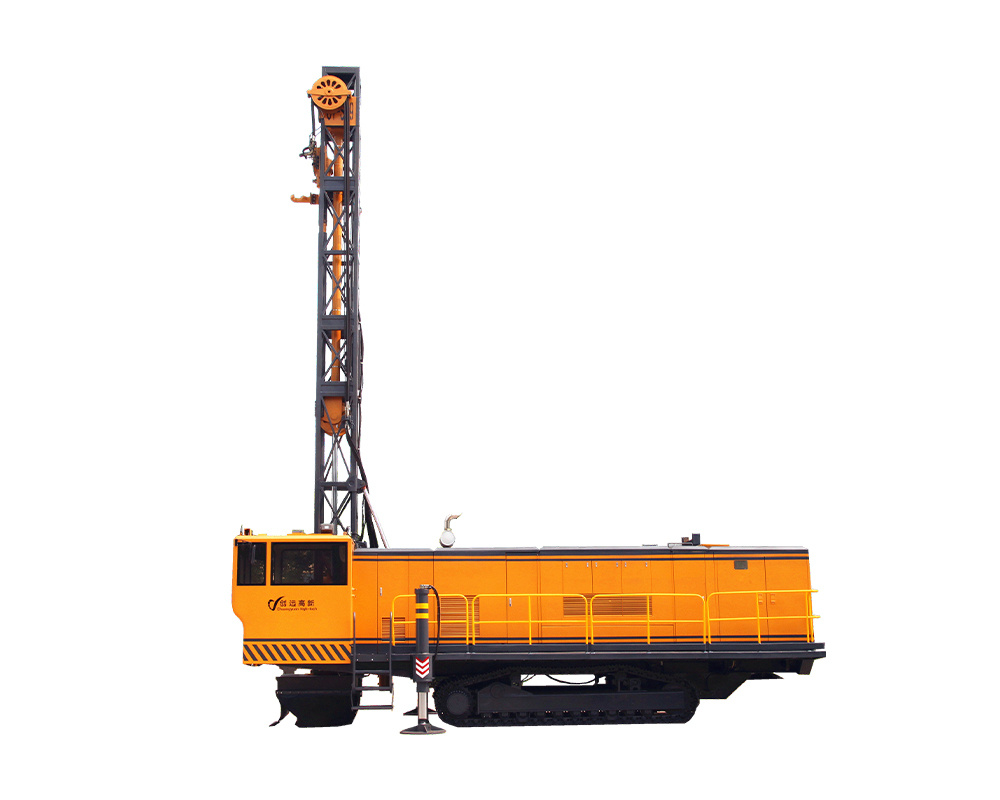
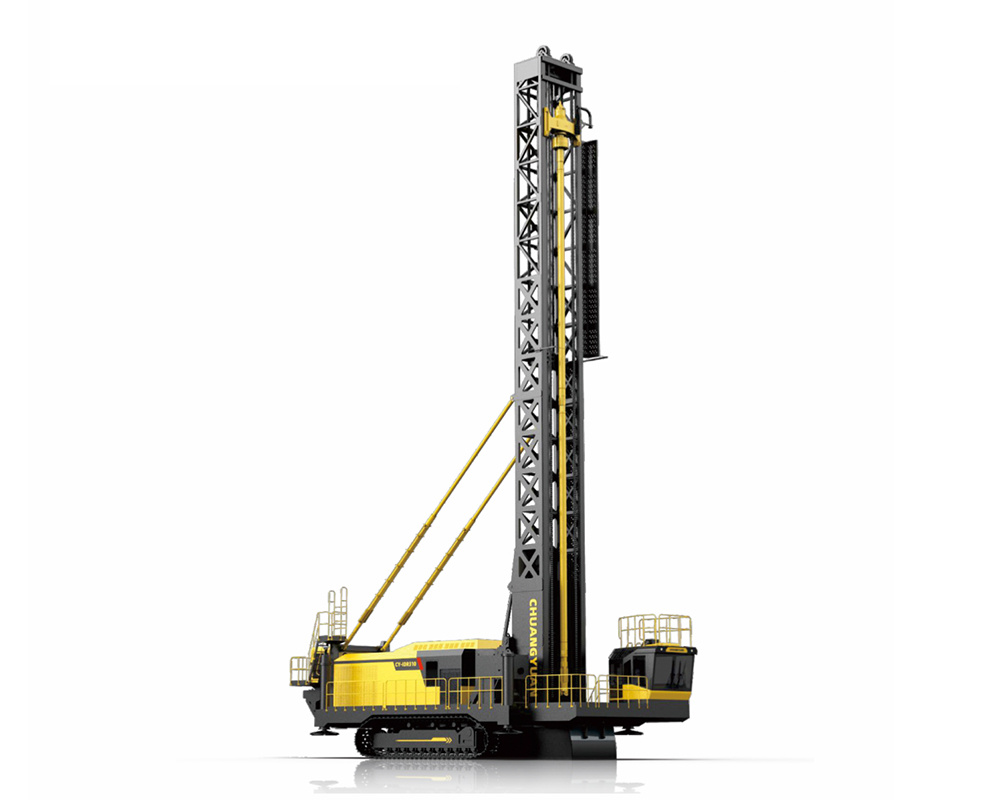
Open Pit Down the Hole Drill Rig: Engineering Precision from the Ground Up
2026-08-21
Built Around Real Open-Pit Drilling Needs
An Open pit down the hole drill rig is more than a machine for creating holes in hard rock. In open-pit mining, quarrying, and large-scale rock engineering, drilling quality influences the efficiency of blasting, material handling, and the overall rhythm of site operations. A well-designed rig therefore needs to combine powerful drilling capability with stable movement, accurate positioning, dependable control, and practical maintenance. The product information available from the supplied source places the equipment within a broader range of drilling machinery developed for demanding mining and engineering environments.
The value of a modern drilling rig is often found in details that are not immediately visible. The drilling structure must remain stable while the machine works against hard formations, while the propulsion system needs to maintain consistent pressure during drilling. A down-the-hole drilling arrangement also places the impact mechanism close to the bottom of the hole, helping transfer drilling energy effectively into the rock. This approach is widely used for blast-hole and pre-splitting work in open-pit environments because it can provide efficient rock penetration while maintaining practical control over drilling direction and depth.

Innovation Comes from Practical Engineering
Innovation in this field does not necessarily mean adding complicated functions simply to make equipment look advanced. More meaningful innovation comes from improving how individual systems work together. For an Open pit down the hole drill rig, this can include the coordination of hydraulic movement, drilling propulsion, rotary action, dust management, operator controls, and machine positioning. When these systems are designed as a complete working unit, the result is equipment that can respond more smoothly to changing rock conditions and different site requirements.
Mobility is another important consideration. Open-pit sites rarely provide perfectly level or uniform working surfaces, so a drilling machine needs a structure capable of maintaining stability while moving and positioning itself. Modern open-pit DTH rigs commonly integrate drilling and air-compression systems while supporting vertical, inclined, or other practical drilling positions according to project requirements. Dust collection and operator-oriented control systems can further improve the working environment and make daily operation more manageable.
Quality Begins Inside the Factory
Reliable drilling performance starts long before a machine reaches the mine. At the manufacturing stage, the process begins with engineering design and material selection. Structural components must be prepared with attention to strength, dimensional accuracy, and compatibility between assemblies. Key parts are then processed through cutting, forming, machining, welding, surface treatment, and assembly procedures. Each stage has a direct relationship with the final stability of the drilling system.
For heavy drilling equipment, welding quality is especially important because the frame and supporting structures must withstand repeated mechanical loads. Machined components require careful dimensional control so that hydraulic, rotary, propulsion, and drilling assemblies can work together smoothly. After assembly, the machine needs systematic inspection and functional testing. Factory testing is not simply a final formality; it provides an opportunity to identify abnormal movement, connection issues, control inconsistencies, or other problems before equipment is delivered to a demanding working environment. The broader manufacturing approach reflected in current drilling equipment emphasizes stable structures, reliable components, straightforward operation, and maintainability.
A Focus on Service Beyond the Machine
A professional drilling equipment manufacturer understands that customers are not only purchasing steel, hydraulic components, and drilling mechanisms. They are investing in continuity of operation. This is why service should begin with understanding the actual working conditions, including rock characteristics, drilling objectives, site access, mobility requirements, and maintenance expectations. A suitable configuration can then be developed around the application instead of forcing every customer into the same equipment solution.
After delivery, technical communication remains equally important. Operators and maintenance teams need clear information about equipment operation, inspection routines, replacement parts, and troubleshooting. A strong service commitment means listening to feedback from actual job sites and using that experience to improve future designs. This customer-oriented approach creates a more sustainable relationship between manufacturer and user, while also helping transform practical field experience into continuous engineering improvement.
Choosing Equipment with a Long-Term Perspective
The right Open pit down the hole drill rig should be evaluated not only by its initial drilling performance but also by its structural reliability, operating convenience, maintenance accessibility, and ability to adapt to real working conditions. A machine that performs consistently across demanding environments can contribute to more predictable drilling operations and reduce unnecessary interruptions. This is particularly valuable for projects where drilling forms an essential link between preparation, blasting, excavation, and subsequent material handling.
For buyers looking beyond basic equipment specifications, factory capability is worth examining just as carefully as machine design. Understanding how the equipment is engineered, manufactured, assembled, inspected, and supported can provide a clearer picture of its long-term value. If you are evaluating an open-pit drilling solution for mining, quarrying, or rock engineering, contacting the manufacturer for application-specific information can help clarify configuration, operating conditions, technical support, and customization possibilities. The supplied source identifies the manufacturer as providing drilling equipment and mine-oriented solutions, making direct technical consultation a useful next step for projects with specific site requirements.
Related Recommendations
Contact Information
Service Hotline:
400-873-5166
Email:
hncy9988@126.com
Address:
Building C-3, Huanchuang Park, No. 2450, Yuelu West Avenue, Changsha Hi-Tech Development Zone, China

What can we help you find?
Address: Building C3, Huanchuang Enterprise Plaza, 2450 Yuelu Avenue West, Changsha, Hunan Province, P.R.C.
Copyright © 2025 Hunan Chuangyuan HIGH-TECH Machinery Co., Ltd.