
-
-
-
-
Service
-
Contact Us

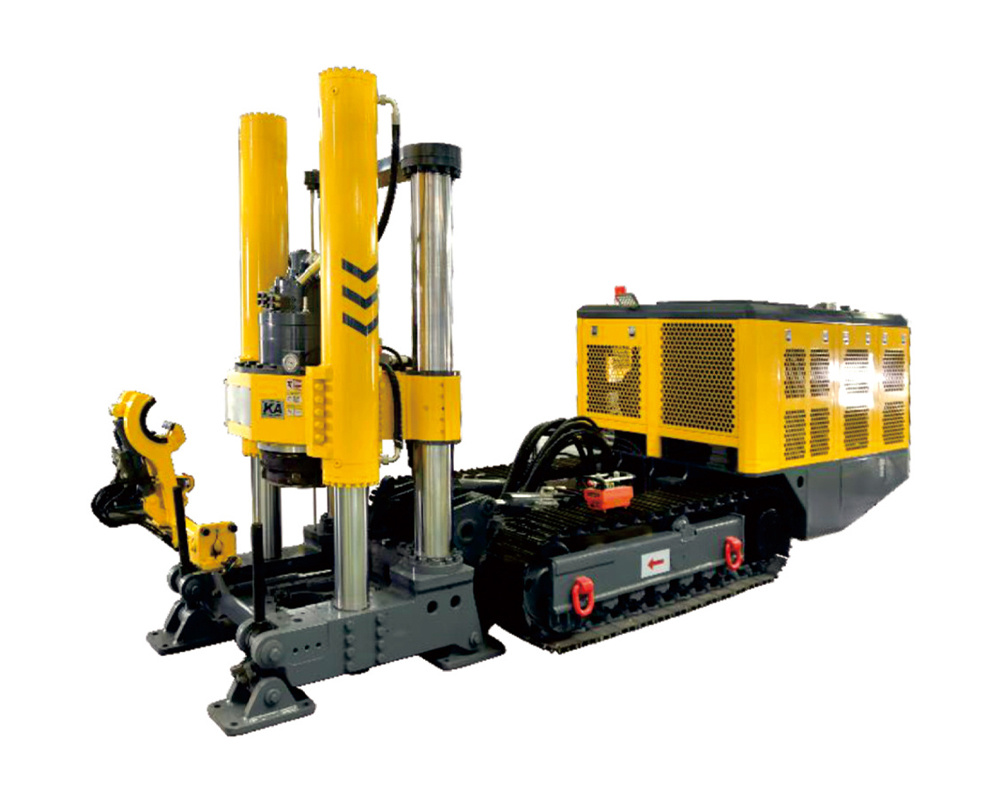
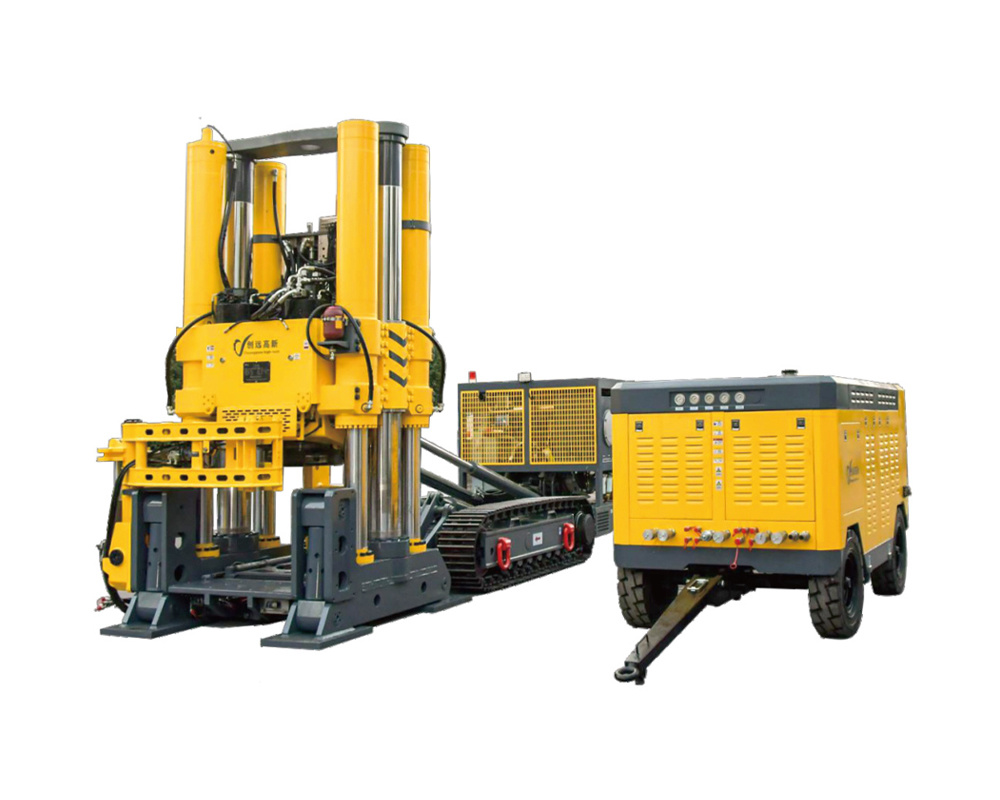
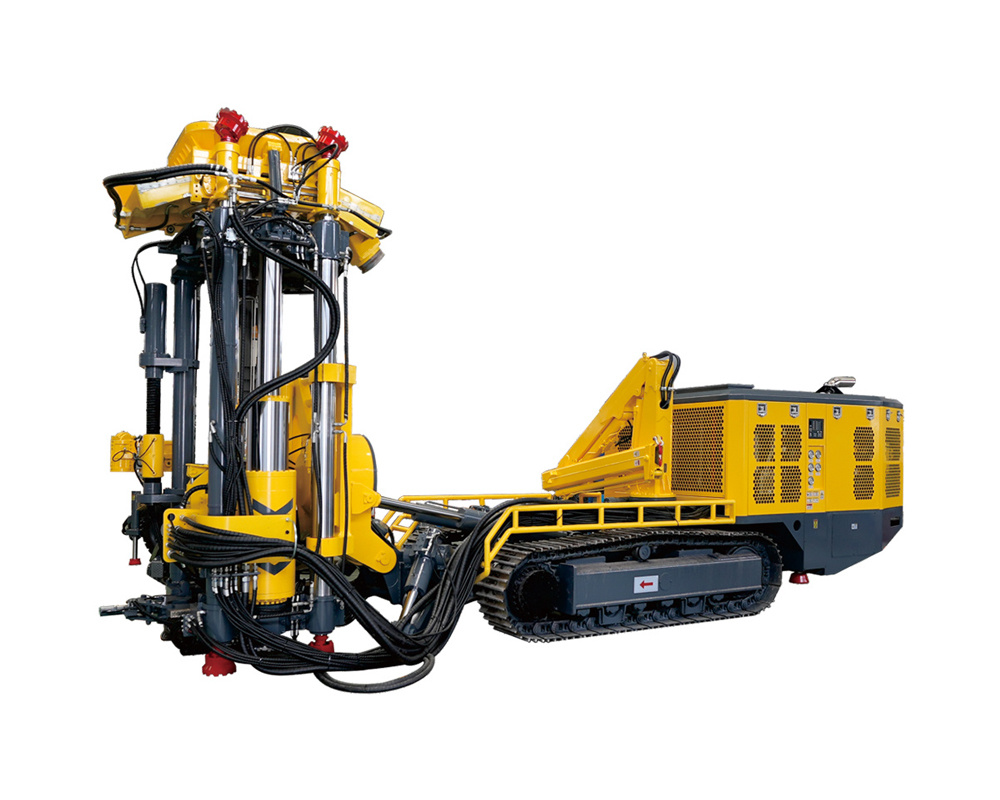
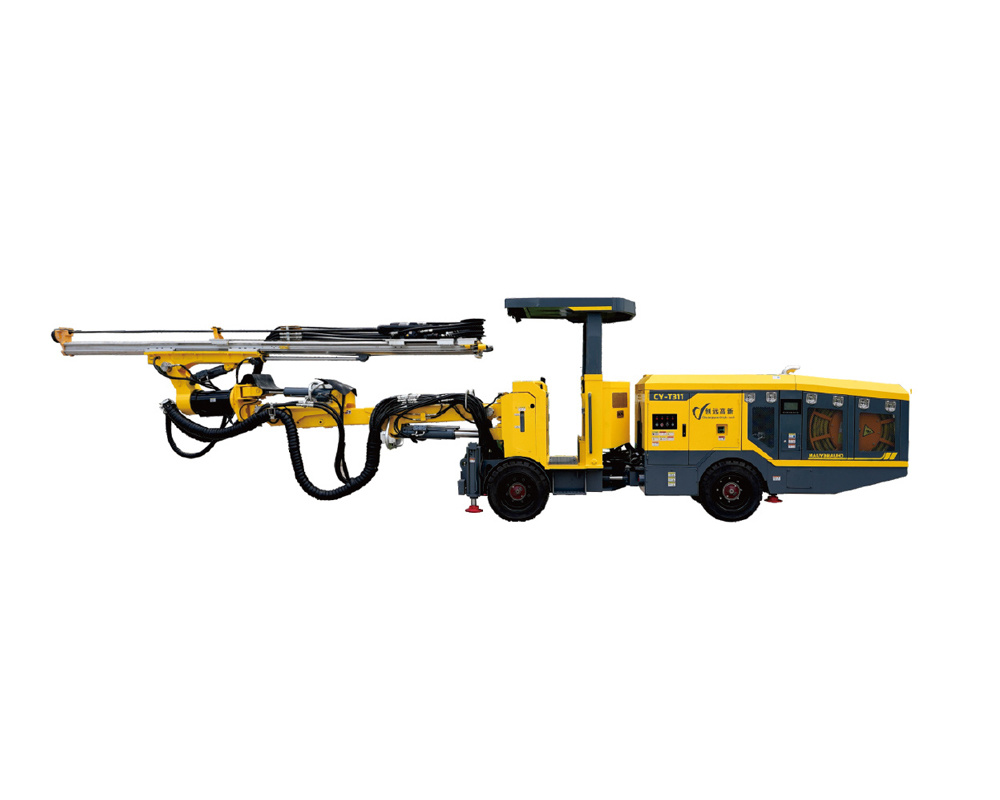
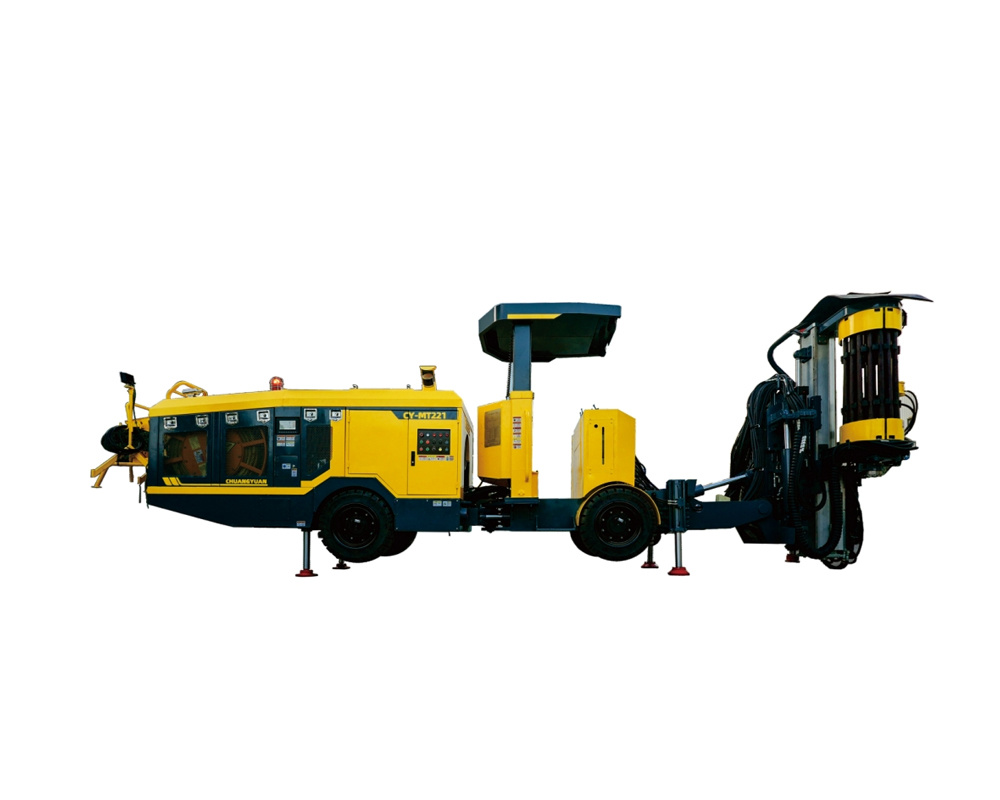
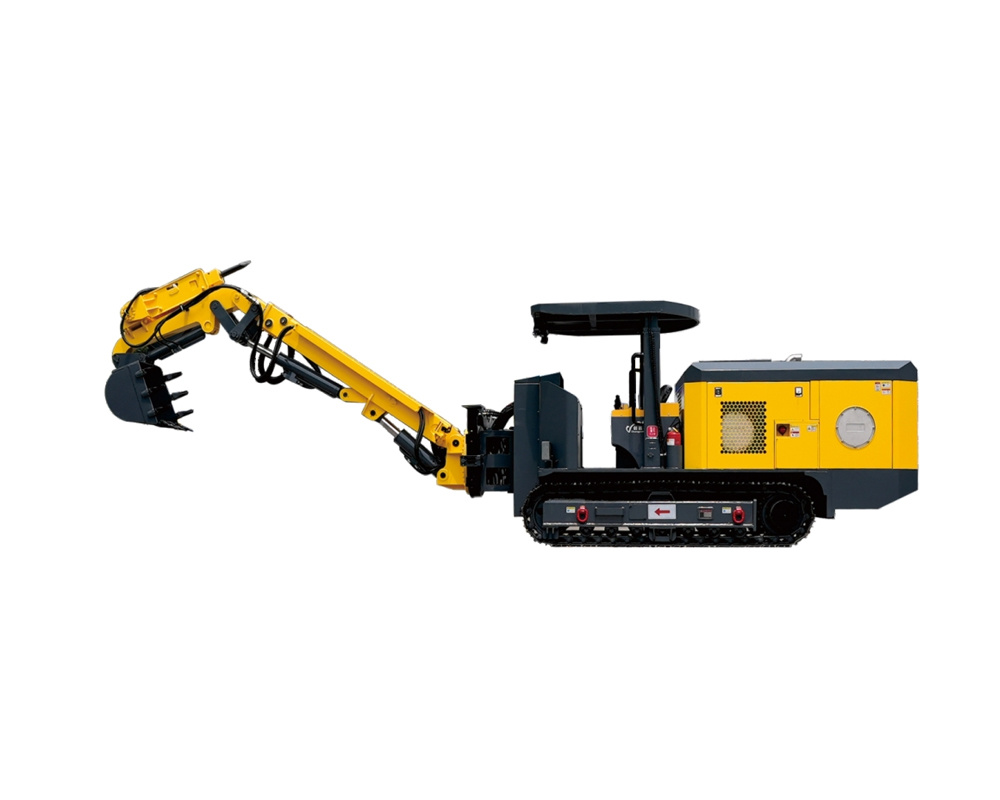
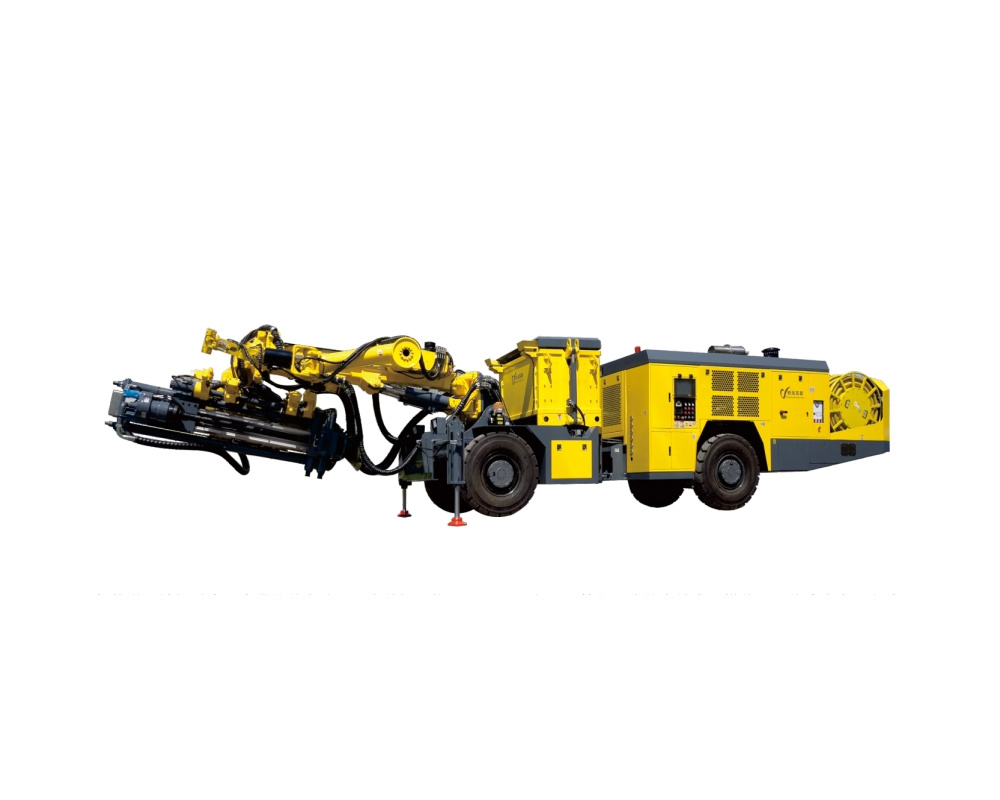
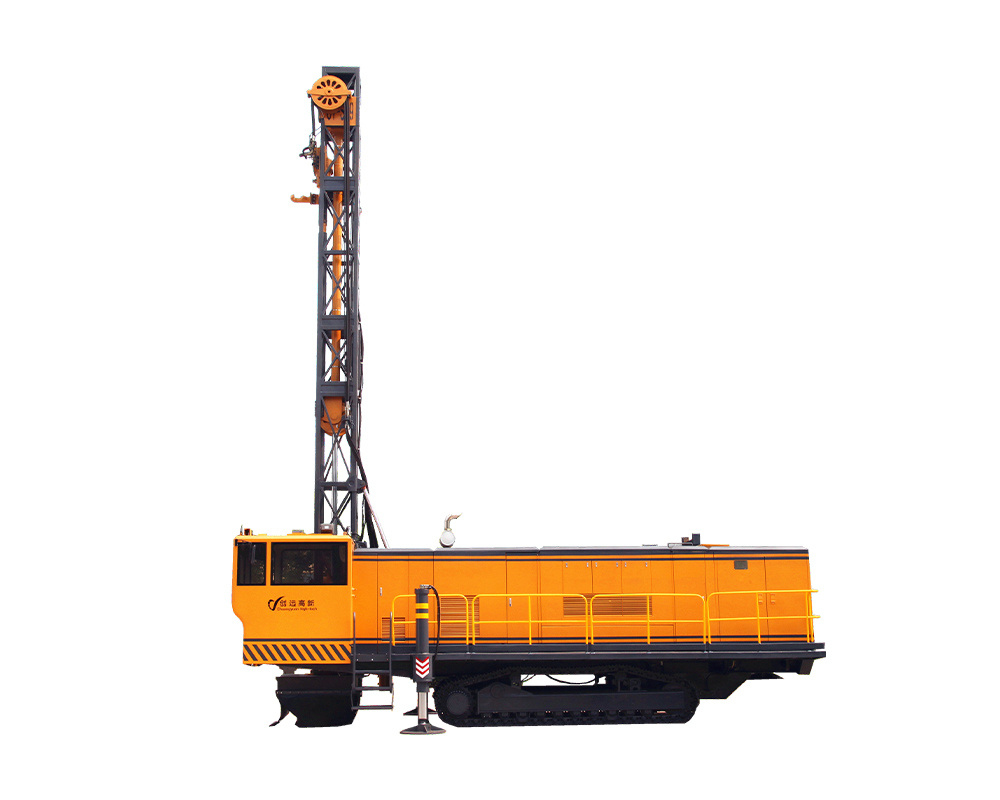
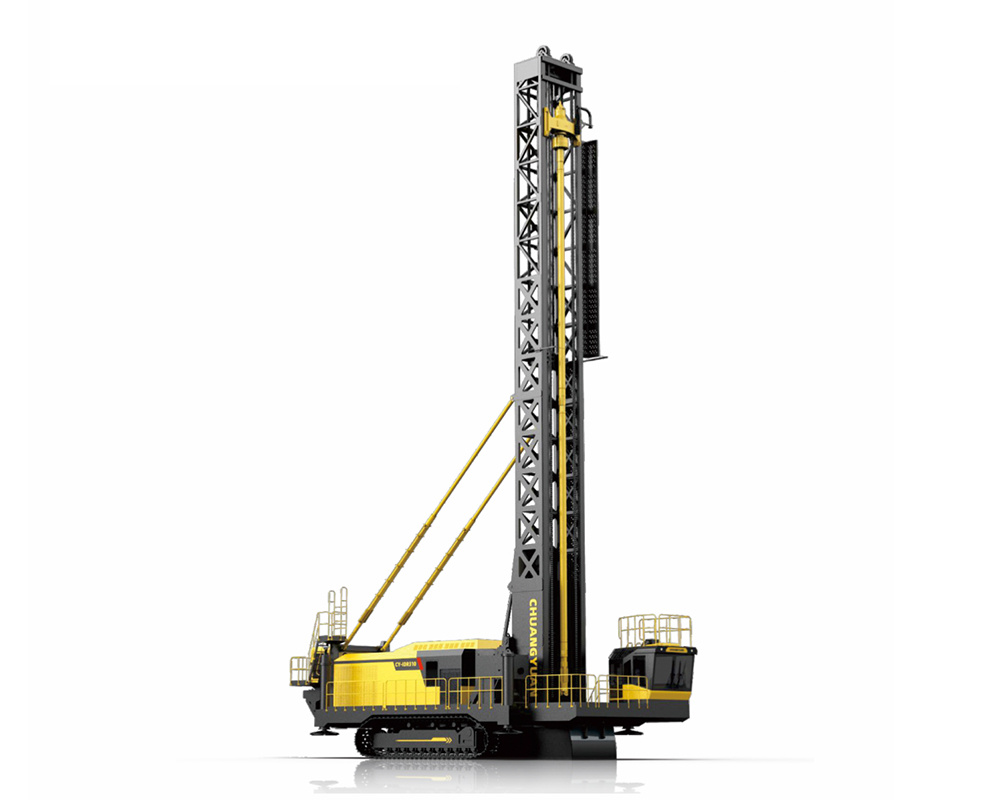
Open pit down the hole drill rig rethink drilling
2026-10-30

The Sandvik Leopard DI610i stands as a credible, highly automated DTH surface drill rig for mid- to large-scale open pit operations. It delivers strong penetration rates, single-operator automation, a fuel-efficient engine, and compliance-ready safety and emissions systems. Buyers should note its premium purchase price and its best fit for specific hole sizes and bench conditions. For the right open pit down the hole drill rig fleet, it does deliver productivity and cost efficiency, provided the mine's hole range and fleet strategy align with its design.
Key Takeaways
- The Leopard DI610i drills 115–203 mm holes and suits mid- to large-scale open pits.
- Automation features let one operator run the rig and improve safety and hole quality.
- Consider total cost of ownership: the rig has a premium price but low operating costs.
Technical Specifications and Performance

The Leopard DI610i pairs a proven down-the-hole hammer platform with a modern carrier, and its published specifications give buyers a clear picture of where the rig performs best. The table below summarizes the core figures that matter most during fleet evaluation.
| Specification | Value |
|---|---|
| Hole diameter | 115.0 – 203.0 mm (4.5 – 8.0 in.) |
| DTH hammer | 4, 5 and 6 in. |
| Flushing air capacity | 28.3 m³/min at 24 bar |
| Drill rod/tube diameter | 89, 102, 114 and 127 mm (3.5, 4, 4.5 and 5 in.) |
| Rotary head | HTRH6 |
| Engine type | Caterpillar C15 (Tier 3) |
| Engine output power | 403 kW / 1800 rpm |
| Cabin | iCab |
| Production capacity | 2.1 Mt/a, one shift |
| Transport length | 12 m |
| Transport width | 3.0 m |
| Transport height | 4.2 m |
| Weight | 27,100 kg (59,745 lb) |
Drilling Capacity and Hole Range
The rig covers a hole size band that suits most mid- to large-scale production blasting programs. Sandvik positions the machine squarely in this segment:
Sandvik is launching the Leopard DI610i, a down-the-hole surface drill rig for open-pit mines and contractors, covering a 115–203 mm (4½–8 in) hole size range.
That 115–203 mm (4½"–8") span accommodates 4, 5, and 6 inch hammers, so operators can match hammer size to rock conditions and bench design without changing platforms. The published production capacity of 2.1 Mt/a on a single shift gives planners a useful baseline for pit scheduling. Mines that run multiple shifts can scale output accordingly, and the rig's 28.3 m³/min flushing air capacity at 24 bar supports effective hole cleaning across the full diameter range. For an open pit down the hole drill rig fleet, this combination of hole range and air capacity covers typical bench blasting duties without forcing a compromise on pattern design.
Penetration Rates and Engine Power
A Caterpillar C15 engine rated at 403 kW and 1800 rpm drives the rig. That power class supports strong penetration rates in medium to hard rock, and the engine's torque characteristics suit the steady load profile of DTH drilling. The HTRH6 rotary head works with rod and tube diameters of 89, 102, 114, and 127 mm (3.5, 4, 4.5, and 5 in.), which gives operators flexibility in string configuration. Power delivery matters most when the hammer and compressor demand consistent pressure, and the C15 platform maintains that output through long shifts. Mines evaluating penetration performance should benchmark the rig against their specific rock mass and bench height, because actual rates depend heavily on those local conditions.
Automation and Operator Assistance
Automation separates the DI610i from older mechanical rigs, and the feature set targets both consistency and operator workload. The table below groups the main capabilities.
| Feature Category | Specific Capabilities |
|---|---|
| Operator-assisting automation sequences | Auto collaring; drilling monitoring automation; hole-finishing control; thread opening assist |
| Purpose of automation sequences | Reduce repetitive tasks, ensure consistent and accurate operation, and reduce drilling and pipe-handling errors |
| Remote monitoring & digital tools | Remote monitoring services (RMS) supporting customer maintenance operations; consumable logging; service light indicators; delay codes |
| Training/operator support | SimDriller+ program to practice key tasks safely using the same assisting automation sequences; spacious iCab cabin allowing a trainer to guide the operator on-machine |
These sequences let a single operator run the rig through a full hole cycle with fewer manual interventions. Auto collaring and hole-finishing control improve hole quality and reduce the risk of deviation, while thread opening assist cuts the physical effort and error potential in pipe handling. The iCab cabin supports long shifts with good visibility and space for on-machine training. Remote monitoring services and delay codes give maintenance teams the data they need to plan service and diagnose faults quickly. Together, these features support the single-operator model that makes the rig economically attractive in mid- to large-scale open pit operations.
Application Fit for Open Pit Down the Hole Drill Rig Duty

Bench Drilling and Hole Size Match
Bench drilling programs in mid- to large-scale pits demand a rig that covers the production hole range without compromise. The Leopard DI610i drills 115–203 mm (4½"–8") holes and accepts 4, 5, and 6 inch hammers. Planners can match hammer size to rock hardness and bench design on a single platform. The 2.1 Mt/a single-shift capacity gives scheduling teams a reliable baseline. Mines that run multiple shifts scale output upward with the same rig. This flexibility makes the machine a strong candidate for an open pit down the hole drill rig fleet with consistent bench blasting duties.
Terrain Adaptability and Mobility
The carrier moves between benches and pits without specialized transport in many cases. Its dimensions support practical relocation planning.
| Parameter | Value |
|---|---|
| Transport length | 12 m |
| Transport width | 3.0 m |
| Transport height | 4.2 m |
| Weight | 27,100 kg |
The iCab cabin gives the operator a clear view of the bench edge and the pipe-handling area. Good visibility helps on uneven ground and crowded patterns.
Integration with Mine Plans and Fleets
Digital tools connect the rig to daily mine operations. Remote monitoring services feed maintenance teams real-time data. Consumable logging and delay codes reveal where shift time goes. Service light indicators flag upcoming maintenance before a breakdown stops production. The SimDriller+ program lets new operators practice automation sequences safely, so crews reach productive drilling faster. These features help fleet managers align rig availability with the mine plan and reduce unplanned downtime across the shift schedule.
Regulatory Compliance and Safety
Emissions Standards and Engine Certification
The Caterpillar C15 engine meets Tier 3 emissions standards. This certification matters for mines that operate in jurisdictions with strict air quality rules. Tier 3 compliance covers nitrogen oxide and particulate matter limits for off-road diesel engines. Buyers should confirm local requirements against the engine tier before purchase. Some regions demand Tier 4 Final engines, and those operations need a different power solution. The DI610i targets markets where Tier 3 certification satisfies the applicable regulations.
Operator Safety Systems and Cab Design
The iCab cabin anchors the rig's safety package. It offers generous space and a trainer seat behind the operator, so instructors can observe and guide new crew members on the machine. Operator-assisting automation sequences reduce repetitive tasks and support consistent, accurate drilling. These sequences include auto collaring, drilling monitoring automation, hole-finishing control, and thread opening assist. Ground-level service access lets technicians reach maintenance points without climbing, which lowers fall risk during daily checks.
Industry Certifications and Compliance Features
The rig carries standard certifications for surface mining equipment, including roll-over and falling-object protection for the cab. Remote monitoring services, consumable logging, service light indicators, and delay codes give maintenance teams visibility into machine health. The SimDriller+ program uses the same controls as the rig, so operators practice key tasks safely before they run production holes. These features support compliance with site safety management systems and help crews build confidence early.
Cost Analysis and Total Cost of Ownership
A drill rig purchase decision rests on more than the sticker price. Total cost of ownership combines acquisition cost, fuel burn, consumables, maintenance labor, and downtime risk across the machine's service life. The Leopard DI610i carries a premium upfront price. It also delivers low operating costs from day one, and that balance shapes the business case for mid- to large-scale open pits.
Purchase Price and Acquisition Considerations
The Leopard DI610i sits in the premium tier of the DTH surface rig market. Buyers pay for the Caterpillar C15 power package, the HTRH6 rotary head, the iCab cabin, and a full suite of automation sequences. These components carry higher initial cost than the mechanical rigs common in older fleets. Mines should treat the purchase price as one line in a broader capital plan.
Acquisition planning also covers freight, commissioning, and operator training. The rig's transport dimensions of 12 m length, 3.0 m width, and 4.2 m height affect shipping logistics and site access routes. A machine weight of 27,100 kg influences transport permits and crane requirements during delivery. These costs vary by region and site, and planners should budget for them explicitly.
Financing structure changes the effective acquisition burden. Mines that run the rig across multiple shifts spread the capital cost over a larger production base. The published 2.1 Mt/a single-shift capacity gives planners a reference point for utilization modeling. Higher utilization lowers the capital cost per tonne of rock drilled. Contractors should model utilization against their actual contract pipeline before committing to the premium price point.
The automation package also affects the labor cost side of acquisition. Single-operator control reduces the crew size needed per rig. Mines that currently run two-person crews on older rigs can redirect labor to other tasks. This shift does not eliminate jobs in most fleet plans. It does change how planners allocate headcount across the pit.
Fuel Efficiency and Daily Operating Costs
The Caterpillar C15 engine rated at 403 kW drives daily fuel cost. Diesel consumption depends on rock hardness, hole diameter, hammer size, and compressor demand. The rig's 28.3 m³/min flushing air capacity at 24 bar sets the compressor load, and that load tracks directly with fuel burn. Mines should benchmark fuel consumption against their specific rock mass and bench height rather than rely on generic figures.
Daily operating cost also includes hammer wear, drill rod consumption, and bit sharpening or replacement. The rig's consumable logging feature tracks these items automatically. Maintenance teams gain a clear record of what each hole consumes. This data supports accurate cost-per-meter reporting and helps planners spot abnormal wear early.
Operator cost forms a significant share of daily expense. The single-operator model cuts the labor line compared with two-person rigs. The SimDriller+ program shortens the training curve, so new operators reach productive drilling faster. Sandvik describes the rig as fast to train and simple to run. That combination lowers the cost of crew turnover and reduces the productivity gap during shift changes.
Site infrastructure adds another daily cost layer. The rig needs reliable diesel supply, compressed air support where applicable, and access to water for dust suppression. Mines with existing DTH infrastructure absorb these costs easily. Greenfield operations should factor them into the daily operating budget from the start.
Maintenance Intervals and Long-Term Ownership Costs
Long-term ownership cost depends on service intervals, component life, and unplanned downtime. The Leopard DI610i uses proven components throughout its design. Sandvik positions this as a core strength, and proven components typically translate into predictable service schedules and widely available spare parts.
Remote monitoring services give maintenance teams real-time visibility into machine health. Service light indicators flag upcoming maintenance before a failure stops production. Delay codes reveal where shift time goes and help planners separate mechanical delays from operational ones. These digital tools support condition-based maintenance rather than fixed-interval servicing. Condition-based maintenance often lowers long-term cost because it replaces components at the right time instead of on a calendar.
The automation sequences also reduce long-term cost in indirect ways. Auto collaring and hole-finishing control improve hole quality and reduce deviation. Straight holes mean fewer re-drills and less explosive waste per bench. Thread opening assist cuts wear on rod threads and lowers the risk of damaged connections. Each of these effects compounds over the rig's service life.
Resale value and fleet rotation complete the long-term picture. Premium rigs with strong automation and documented service history tend to hold value better than basic mechanical units. Mines that rotate fleets on a fixed schedule should model residual value into the ownership equation. Contractors with shorter horizons should weigh the premium price against the resale position at the end of the contract term.
The table below summarizes the main cost drivers across the ownership lifecycle.
| Cost Category | Main Drivers | Management Lever |
|---|---|---|
| Acquisition | Rig price, freight, commissioning, training | Utilization modeling, financing structure |
| Daily operating | Diesel, hammer and bit wear, operator labor | Consumable logging, single-operator model, SimDriller+ training |
| Long-term ownership | Service intervals, component life, downtime | Remote monitoring, service light indicators, delay codes |
| Residual | Service history, automation package, market demand | Documented maintenance records, fleet rotation planning |
Mines should build a total cost of ownership model around these four categories. The premium purchase price becomes easier to justify when fuel, labor, and maintenance lines show predictable and controlled behavior. The Leopard DI610i targets exactly that profile. It asks for a higher upfront commitment and returns a stable, data-rich operating cost structure over its service life.
How It Compares to Alternative DTH Rigs
Technical Performance Comparison
The Leopard DI610i sits at the top of Sandvik's Leopard range for hole size and air capacity. The table below places it beside three smaller stablemates.
| Rig | Hole diameter (mm) | Hole diameter (in.) | DTH hammer | Flushing air capacity |
|---|---|---|---|---|
| Leopard DI610i | 115.0 – 203.0 | 4.5 – 8.0 | 4, 5 and 6 in. | 28.3 m³/min at 24 bar |
| Leopard DI560 | 90.0 – 165.0 | 3.5 – 6.5 | 4, 5 and 6 in. (RH460 & RH560) | 24.4 m³/min at 24 bar; 21.6 m³/min at 30 bar |
| Leopard DI550 | 90.0 – 165.0 | 3.5 – 6.5 | 4, 5 and 6 in. (RH550) | 24.4 m³/min at 24 bar |
| Leopard DI450 | 90.0 – 130.0 | 3.5 – 5.1 | 3 and 4 in. | 18 m³/min at 24 bar |

The DI610i drills the widest holes and moves the most air. The DI560 adds a 30 bar option for demanding rock. The DI550 and DI450 suit tighter diameter bands.
Application Fit Comparison
The DI610i fits mid- to large-scale pits with consistent production blasting. The DI560 and DI550 serve mines that cap holes near 165 mm. The DI450 works well in smaller pits and contractor jobs with narrow patterns. Each rig earns its place in an open pit down the hole drill rig fleet.
Compliance and Cost Comparison
All four rigs share Tier 3 engine certification. The DI610i carries the highest purchase price and the strongest automation package. Smaller models cost less upfront and suit lower-tonnage operations. Buyers should weigh hole range and fleet strategy against each price point.
The Leopard DI610i delivers a productivity-focused, automation-rich package with predictable operating costs. It suits mid- to large-scale open pits with consistent bench drilling and holes within 115–203 mm (4½"–8"). Smaller operations or specialized conditions may favor other rigs. Match the open pit down the hole drill rig to mine plan, hole range, and fleet strategy before committing.
FAQ
What hole sizes does the Leopard DI610i drill?
The rig covers 115–203 mm (4½"–8") holes. It accepts 4, 5, and 6 inch hammers. This range suits most mid- to large-scale production blasting programs.
Can one operator run the Leopard DI610i?
Yes. Auto collaring, drilling monitoring, hole-finishing control, and thread opening assist handle much of the hole cycle. One operator manages the rig through a full shift.
Does the Leopard DI610i meet Tier 4 emissions rules?
No. The Caterpillar C15 engine carries Tier 3 certification. Buyers in regions that require Tier 4 Final engines need a different power solution. Confirm local rules before purchase.
Related Recommendations
Contact Information
Service Hotline:
400-873-5166
Email:
hncy9988@126.com
Address:
Building C-3, Huanchuang Park, No. 2450, Yuelu West Avenue, Changsha Hi-Tech Development Zone, China

What can we help you find?
Address: Building C3, Huanchuang Enterprise Plaza, 2450 Yuelu Avenue West, Changsha, Hunan Province, P.R.C.
Copyright © 2025 Hunan Chuangyuan HIGH-TECH Machinery Co., Ltd.