

-
-
-
-
Service
-
Contact Us

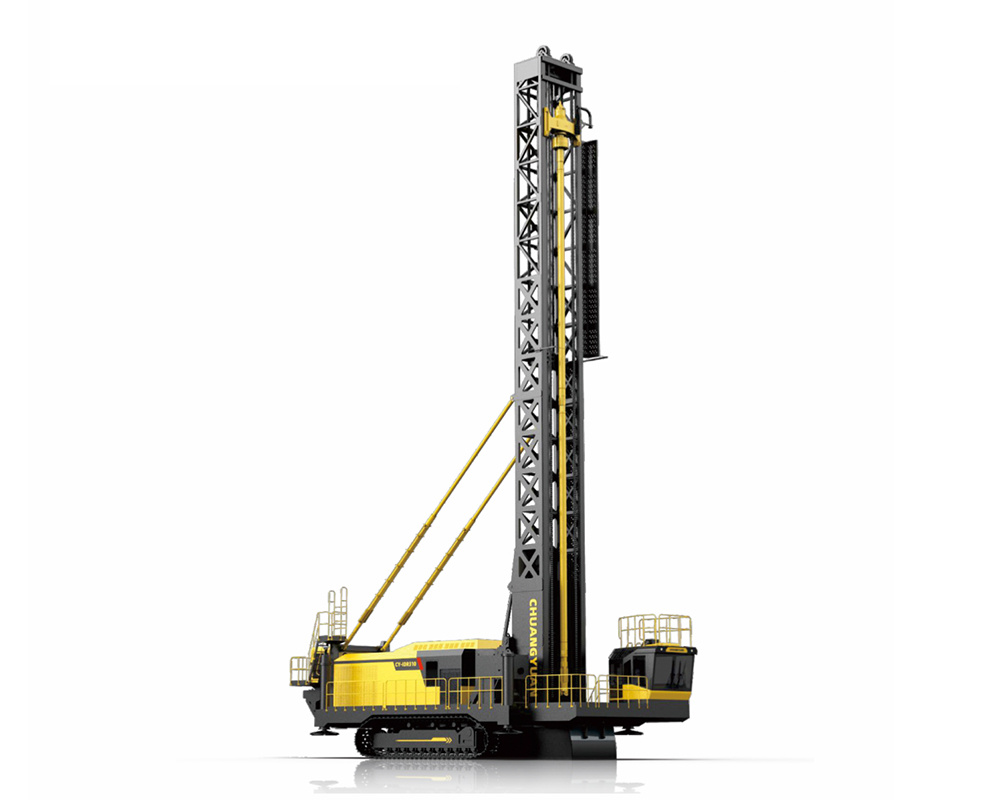
How to Select the Right Open-Pit Rotary Blasthole Drill for Your Mining Project
2026-09-09
How to Select the Right Open-Pit Rotary Blasthole Drill for Your Mining Project
Table of Contents
- Understanding Open-Pit Mining
- The Importance of Blasthole Drills in Open-Pit Mining
- Key Criteria for Selecting Your Open-Pit Rotary Blasthole Drill
- 1. Drilling Capacity
- 2. Type of Drill
- 3. Power Source
- 4. Mobility and Setup
- 5. Technological Advancements
- Budget Considerations for Open-Pit Rotary Blasthole Drills
- Maintaining Your Open-Pit Rotary Blasthole Drill
- Current Industry Trends in Open-Pit Rotary Drilling
- Conclusion
- Frequently Asked Questions
Understanding Open-Pit Mining
Open-pit mining is a widely employed technique that involves extracting minerals and ores from the earth's surface. This method is characterized by its excavation of large holes, or pits, which are dug to reach valuable resources. The advantages of open-pit mining include lower operational costs and the ability to access large volumes of material quickly.
The effectiveness of this mining method greatly relies on the equipment used, particularly the rotary blasthole drills. These machines are fundamental to the drilling phase, allowing companies to efficiently create boreholes that facilitate the blasting and extraction of ore.
The Importance of Blasthole Drills in Open-Pit Mining
Blasthole drills are pivotal to the success of open-pit mining projects. They are responsible for penetrating the earth to create blast holes that will be filled with explosives. The efficiency and accuracy of these drills can significantly impact the overall productivity and safety of the mining operation.
When selecting a rotary blasthole drill, it is crucial to consider various factors, including the geological conditions, the scale of the project, and the desired outcome of the operation. Choosing the right drill not only enhances drilling efficiency but also reduces costs related to maintenance and downtime.
Key Criteria for Selecting Your Open-Pit Rotary Blasthole Drill
1. Drilling Capacity
The drilling capacity of a rotary blasthole drill is one of the most critical factors to consider. This capacity is typically measured in terms of hole diameter and depth. A higher drilling capacity allows for larger holes and deeper penetration, which is essential for accessing valuable resources.
When assessing drilling capacity, consider both the geological conditions and the project requirements. If the material is particularly hard or dense, a drill with a higher capacity will ensure that the operation remains efficient, minimizing delays and increasing productivity.
2. Type of Drill
There are several types of rotary blasthole drills available, each designed for specific applications and environments. The main types include:
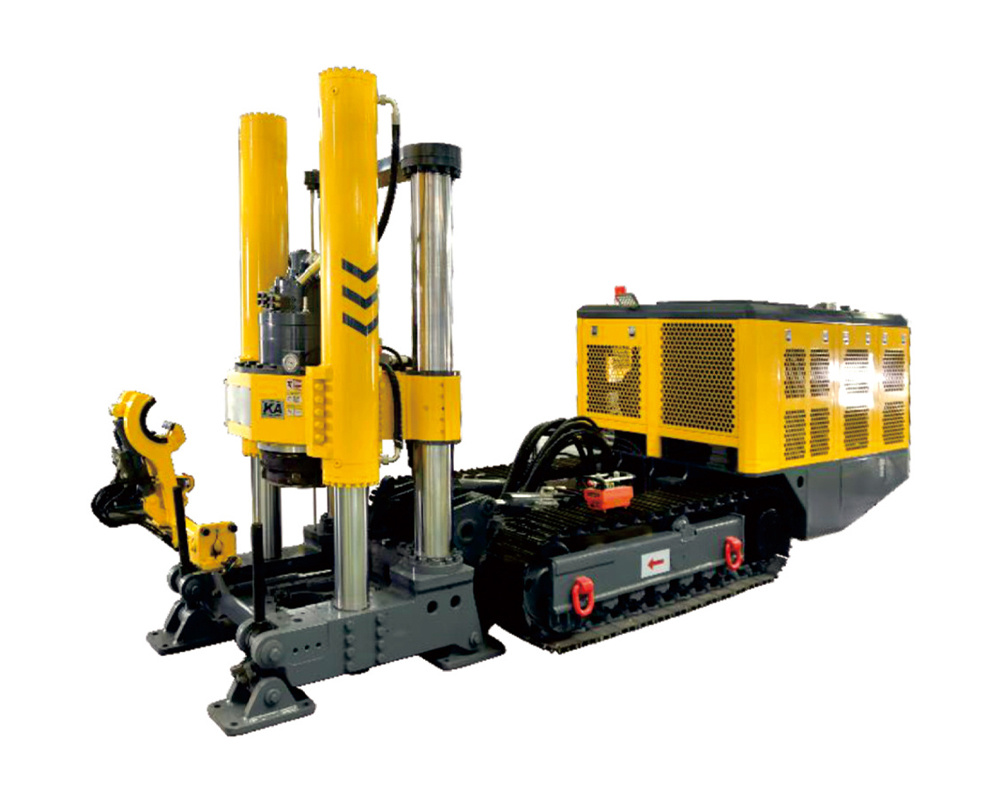
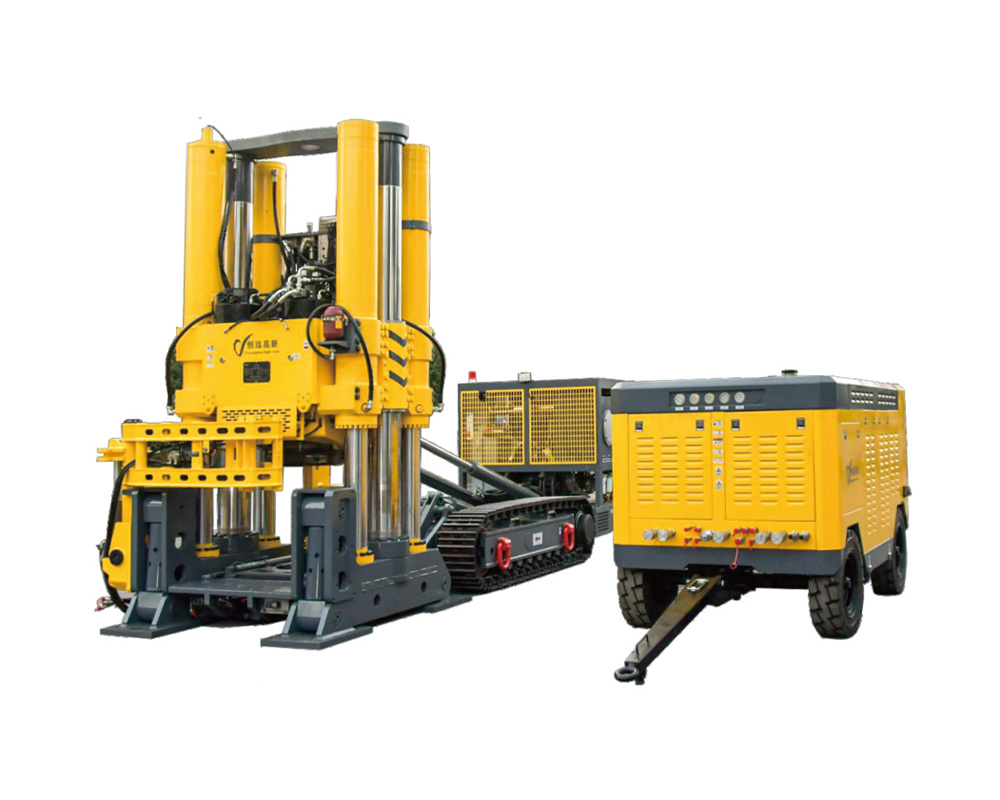
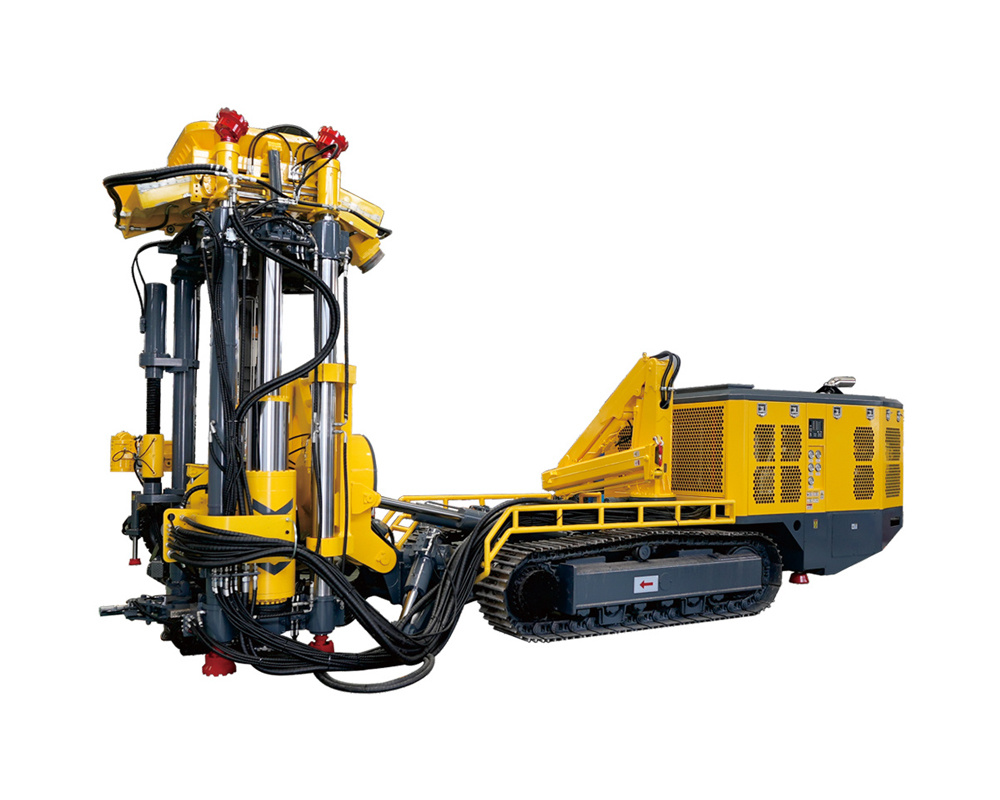
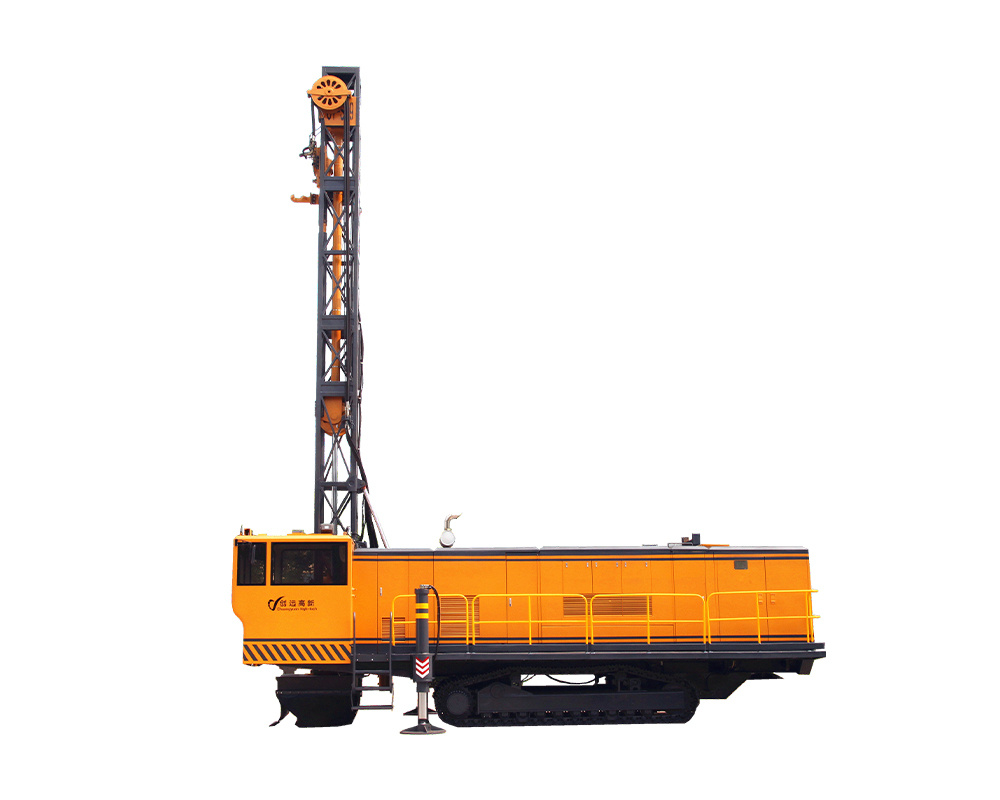
- **Crawler-mounted drills**: These are versatile and can navigate rough terrains. They are ideal for large-scale operations.
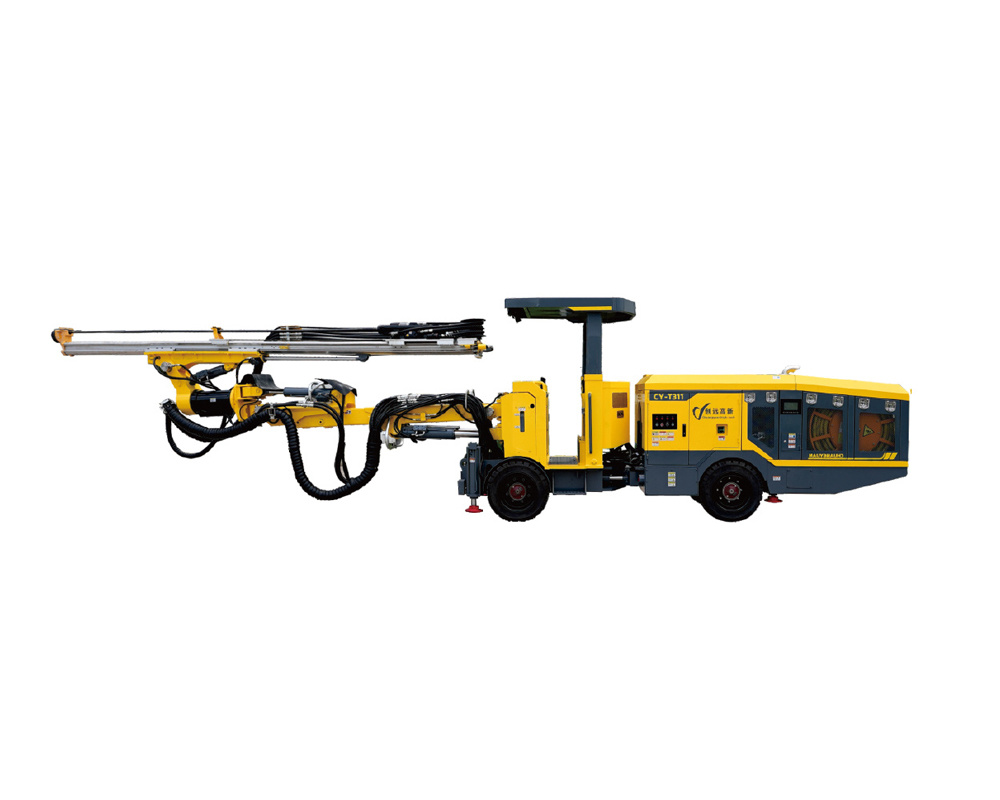
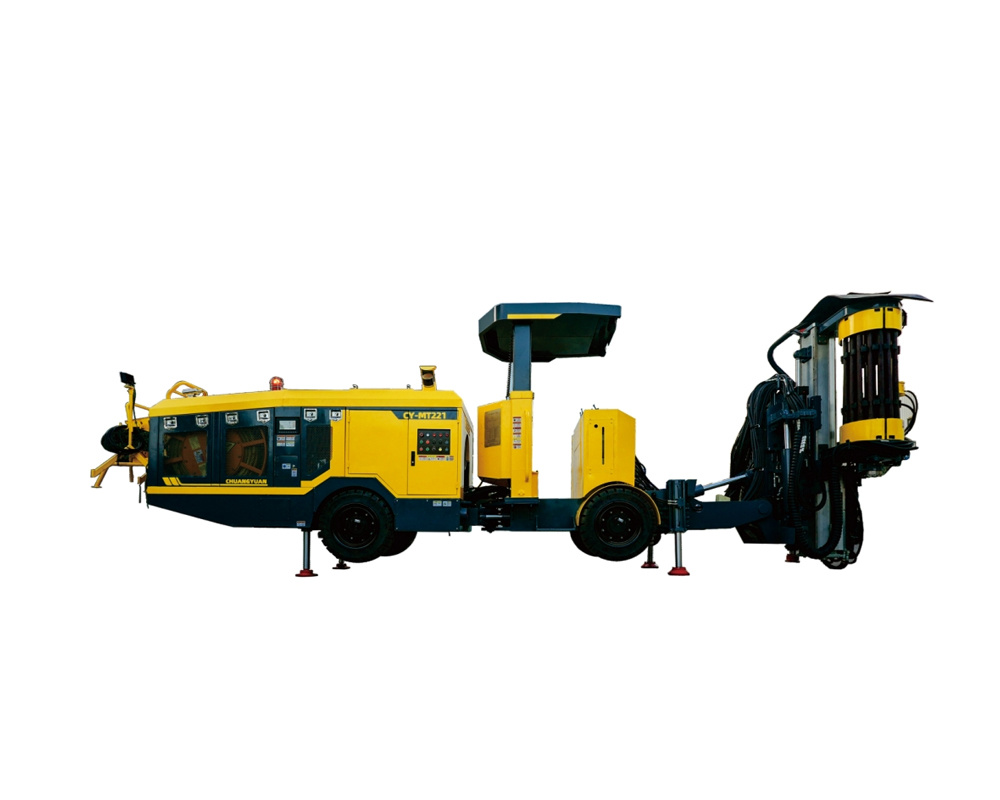
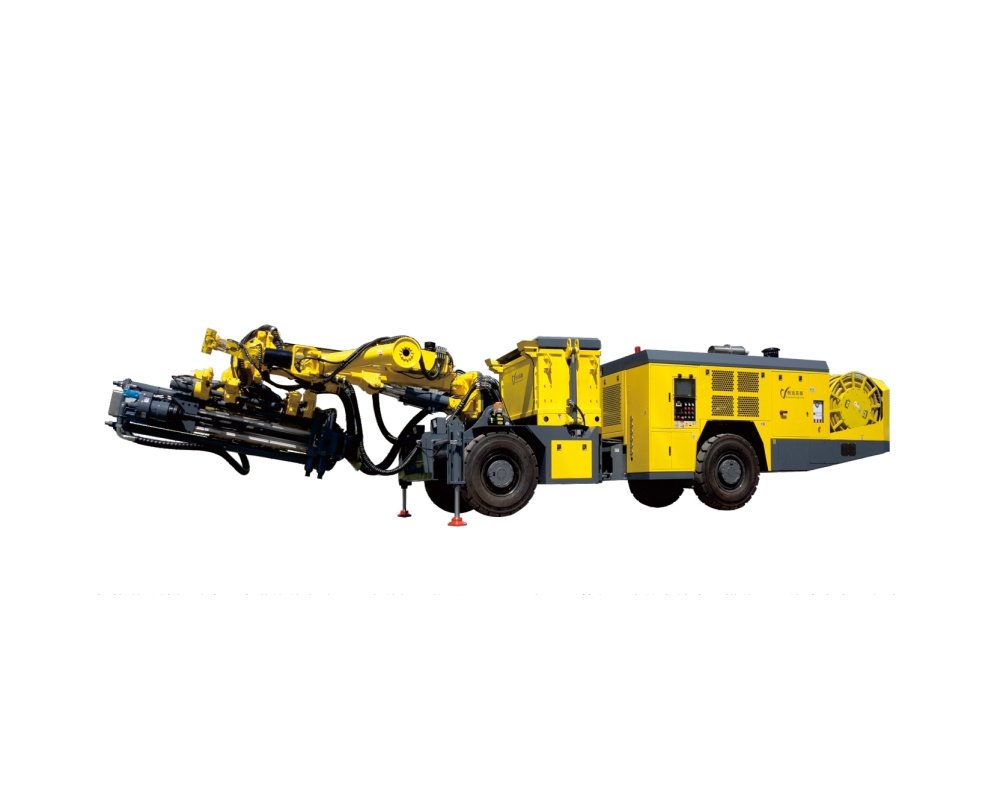
- **Wheel-mounted drills**: These provide better mobility and are effective in areas with less rugged terrain.
- **Skid-mounted drills**: They offer a stable platform for drilling but are less mobile.
Selecting the appropriate type of drill depends on the mining site's geographical and geological characteristics, as well as the specific requirements of your project.
3. Power Source
The power source of a rotary blasthole drill significantly influences its efficiency. Common power sources include diesel engines and electric motors. Diesel-powered drills are generally favored for their portability and ability to operate in remote locations without access to electricity.
On the other hand, electric drills can be more efficient and environmentally friendly, particularly in operations where power sources are readily available. Evaluating the advantages and disadvantages of each power source in the context of your mining operation is essential for making an informed decision.
4. Mobility and Setup
Mobility is vital in open-pit mining, where the drilling equipment may need to be relocated frequently. The ease of setup and transport can reduce downtime and enhance overall productivity.
Consider drills that come with features such as:
- **Quick relocation capabilities**: Drills that can be easily transported from one site to another reduce operational delays.
- **User-friendly setup**: Equipment that is straightforward to set up allows for faster mobilization, ensuring that drilling operations commence promptly.
Assessing the mobility and setup of a drill can lead to significant improvements in your project timelines.
5. Technological Advancements
The mining industry is continually evolving, with technology playing a significant role in enhancing drilling efficiency and safety. Modern open-pit rotary blasthole drills are equipped with advanced features such as:
- **Automated drilling systems**: These allow for precision drilling and reduce the risk of human error.
- **Real-time data monitoring**: This capability enables better decision-making based on performance metrics and geological data.
- **Enhanced safety features**: Many modern drills come with built-in safety mechanisms to protect operators and reduce the risk of accidents.
Investing in technologically advanced drilling equipment can result in long-term savings and improved operational efficiency.
Budget Considerations for Open-Pit Rotary Blasthole Drills
Budget is a crucial factor when selecting a rotary blasthole drill for your mining project. It is essential to balance cost with quality and capability. While it may be tempting to opt for the cheapest option, considering the long-term costs associated with maintenance, fuel consumption, and operational efficiency is vital.
When establishing a budget, factor in:
- **Initial purchase price**: This is the most obvious cost, but it is essential to ensure that the drill meets all operational requirements.
- **Operating costs**: Consider fuel, maintenance, and repair costs over the life of the drill.
- **Resale value**: Some drills retain their value better than others, which can be a consideration if you plan to upgrade in the future.
Evaluating these financial aspects will help you make a more informed decision that aligns with your project's financial goals.
Maintaining Your Open-Pit Rotary Blasthole Drill
Proper maintenance of your rotary blasthole drill is essential to ensure its longevity and optimal performance. Regular maintenance checks can prevent costly breakdowns and prolong the life of the equipment.
Implement a comprehensive maintenance schedule that includes:
- **Routine inspections**: Regularly inspect key components such as the drill bit, hydraulic systems, and engine.
- **Scheduled servicing**: Adhere to the manufacturer’s recommended service intervals for replacing parts and fluids.
- **Training for operators**: Ensure that operators are trained on proper handling and maintenance to minimize wear and tear.
A proactive maintenance strategy will enhance the drill's performance while reducing overall operational costs.
Current Industry Trends in Open-Pit Rotary Drilling
Staying updated on industry trends is essential for making informed decisions regarding mining equipment. Some of the current trends affecting open-pit rotary drilling include:
- **Sustainability initiatives**: There is a growing emphasis on environmentally responsible mining practices, leading to increased demand for energy-efficient drills.
- **Automation**: The mining industry is increasingly adopting automation technologies to improve efficiency and safety.
- **Digitalization**: Many companies are investing in digital tools for monitoring and analyzing drilling operations to enhance productivity.
Being aware of these trends will help you select a rotary blasthole drill that is not only effective but also aligned with the future direction of the mining industry.
Conclusion
Selecting the right open-pit rotary blasthole drill for your mining project is a multifaceted process that requires careful consideration of various factors, including drilling capacity, drill type, power sources, and technological advancements. By understanding the importance of these criteria and maintaining a focus on budget and operational efficiency, you can make a well-informed decision that sets your mining project up for success. Remember to stay updated on industry trends and prioritize regular maintenance to enhance the longevity and performance of your drilling equipment.
Frequently Asked Questions
1. What is an open-pit rotary blasthole drill?
An open-pit rotary blasthole drill is a machine used in mining to create holes in the earth for blasting. This equipment is crucial for extracting minerals and ores efficiently.
2. How do I determine the right drilling capacity for my project?
The right drilling capacity depends on the geological conditions of the mining site and the volume of material you need to extract. Assess these factors to choose a drill with adequate capacity.
3. What are the primary types of rotary blasthole drills?
The main types include crawler-mounted drills, wheel-mounted drills, and skid-mounted drills, each suited to different terrains and applications.
4. Why is maintenance important for blasthole drills?
Regular maintenance ensures the drill operates efficiently, prevents costly breakdowns, and prolongs the equipment's lifespan.
5. What technological advancements should I look for in a drill?
Look for drills with automated systems, real-time data monitoring, and enhanced safety features to improve efficiency and reduce risks on site.
By adhering to these guidelines and considering the essential criteria outlined in this article, you will be well-equipped to choose the right open-pit rotary blasthole drill for your mining project.
Previous:
Related Recommendations
Contact Information
Service Hotline:
400-873-5166
Email:
hncy9988@126.com
Address:
Building C-3, Huanchuang Park, No. 2450, Yuelu West Avenue, Changsha Hi-Tech Development Zone, China

What can we help you find?
Address: Building C3, Huanchuang Enterprise Plaza, 2450 Yuelu Avenue West, Changsha, Hunan Province, P.R.C.
Copyright © 2025 Hunan Chuangyuan HIGH-TECH Machinery Co., Ltd.