

-
-
-
-
Service
-
Contact Us

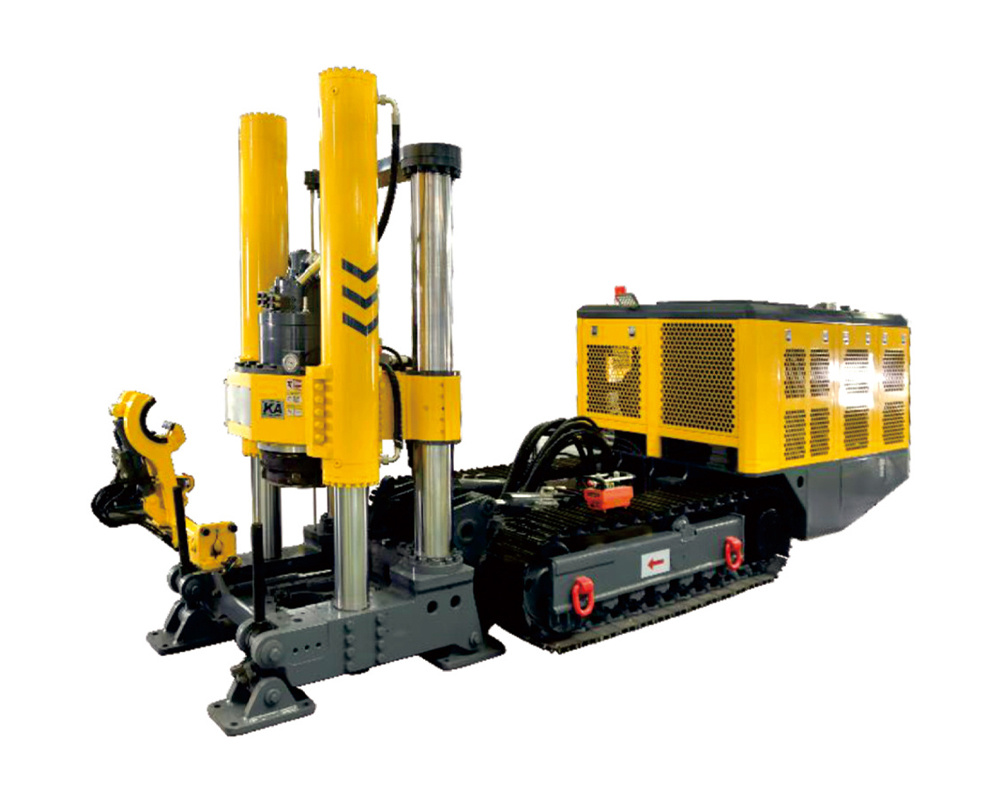
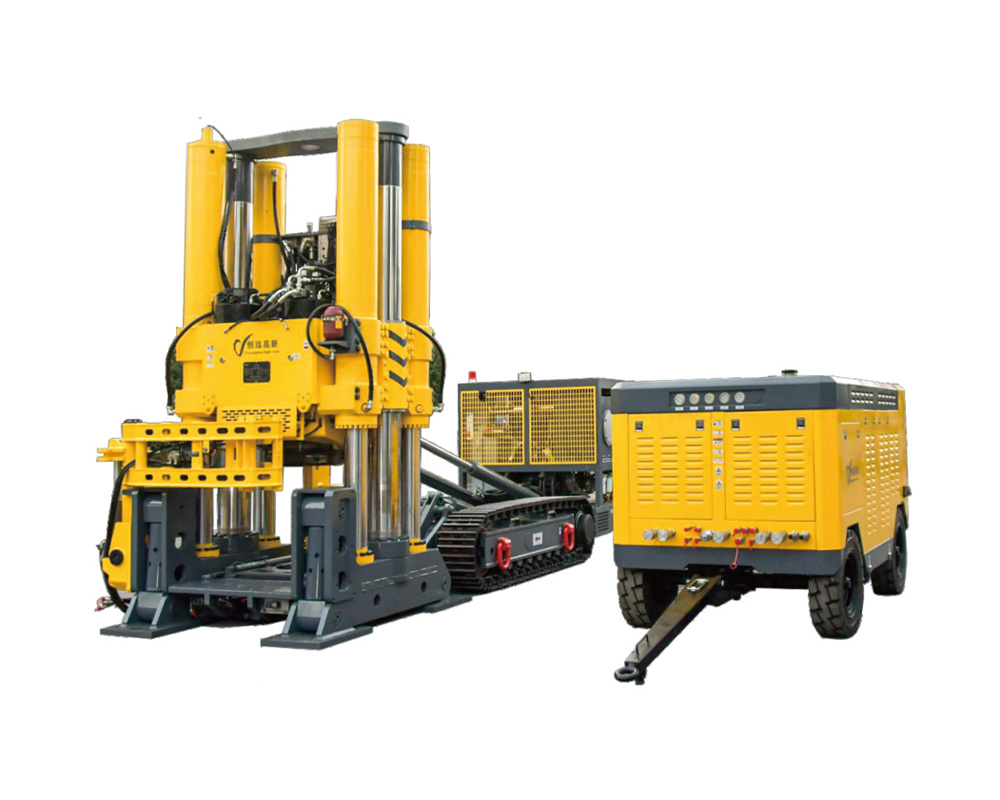
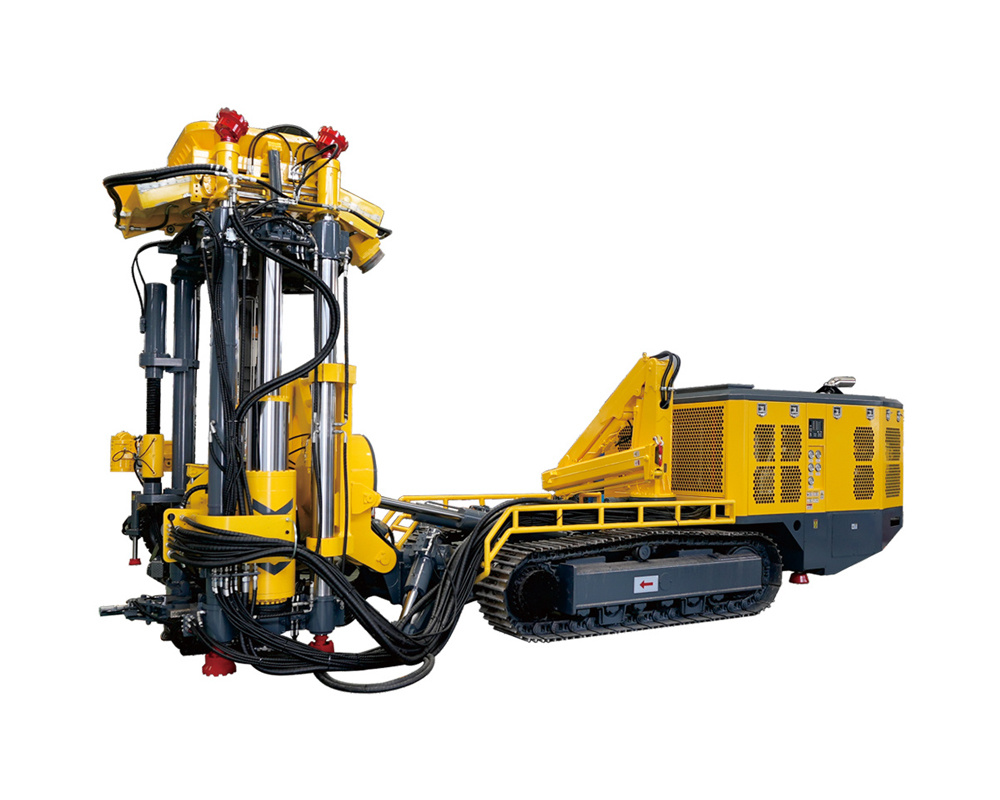
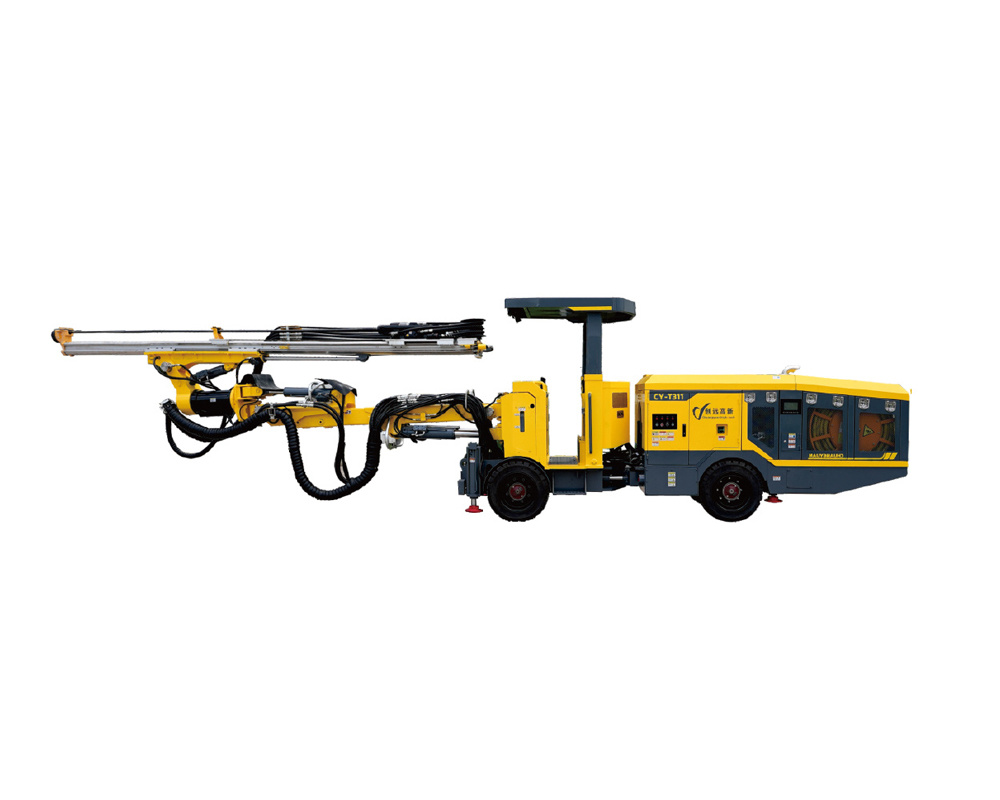
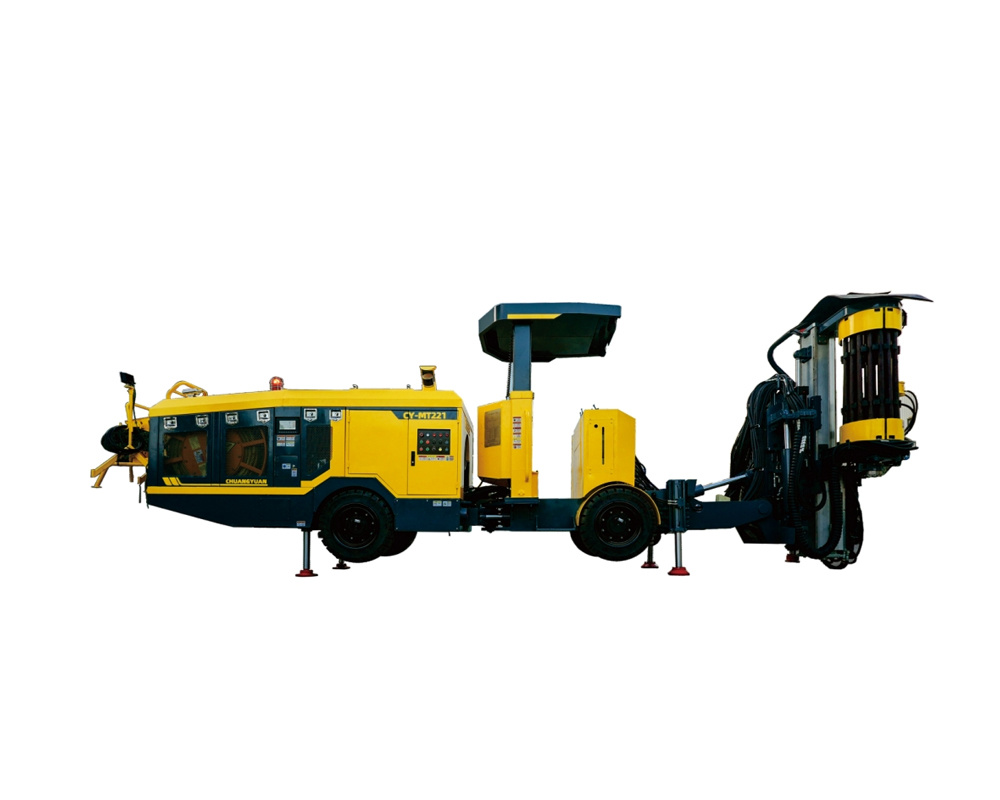
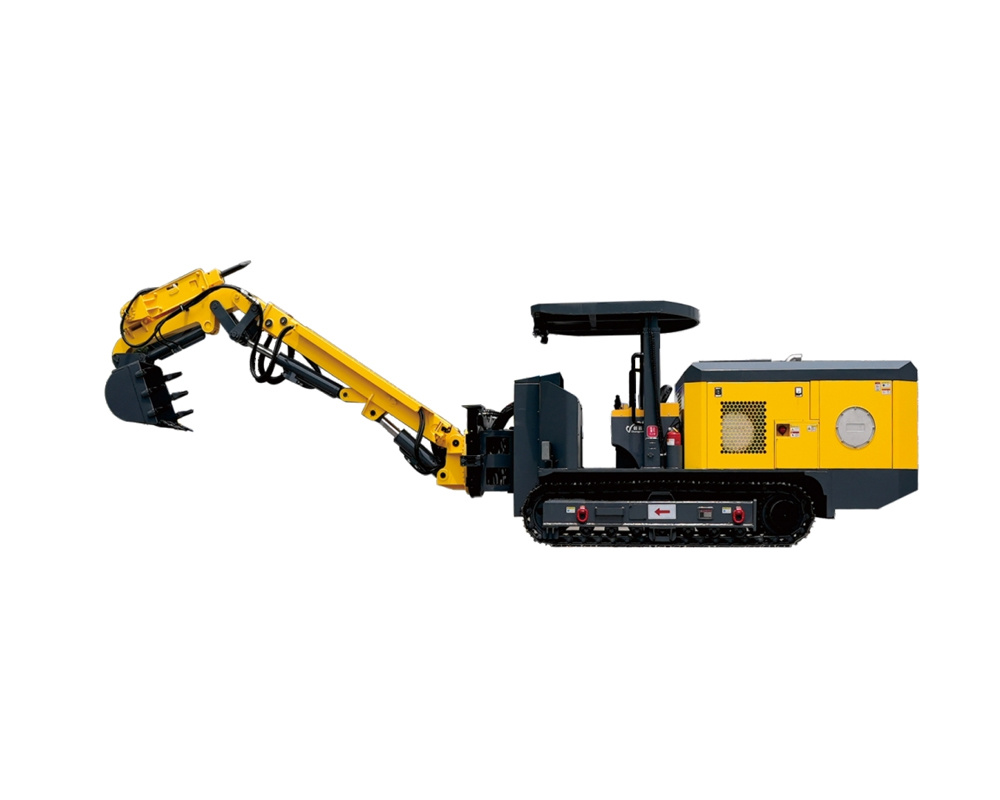
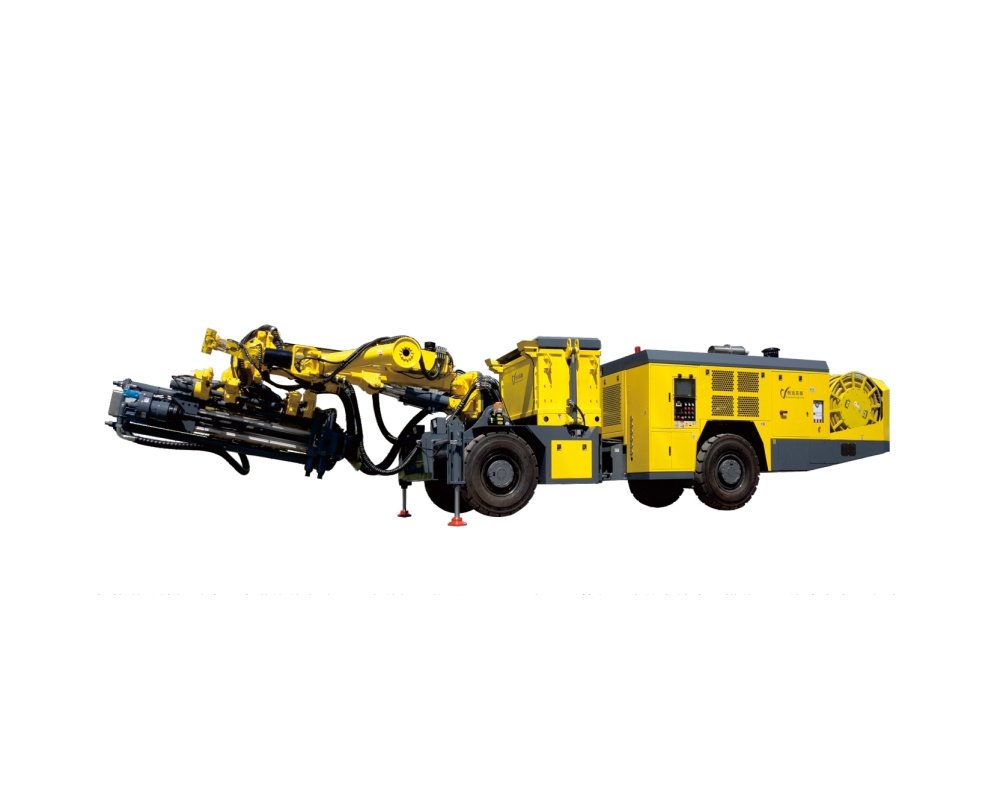
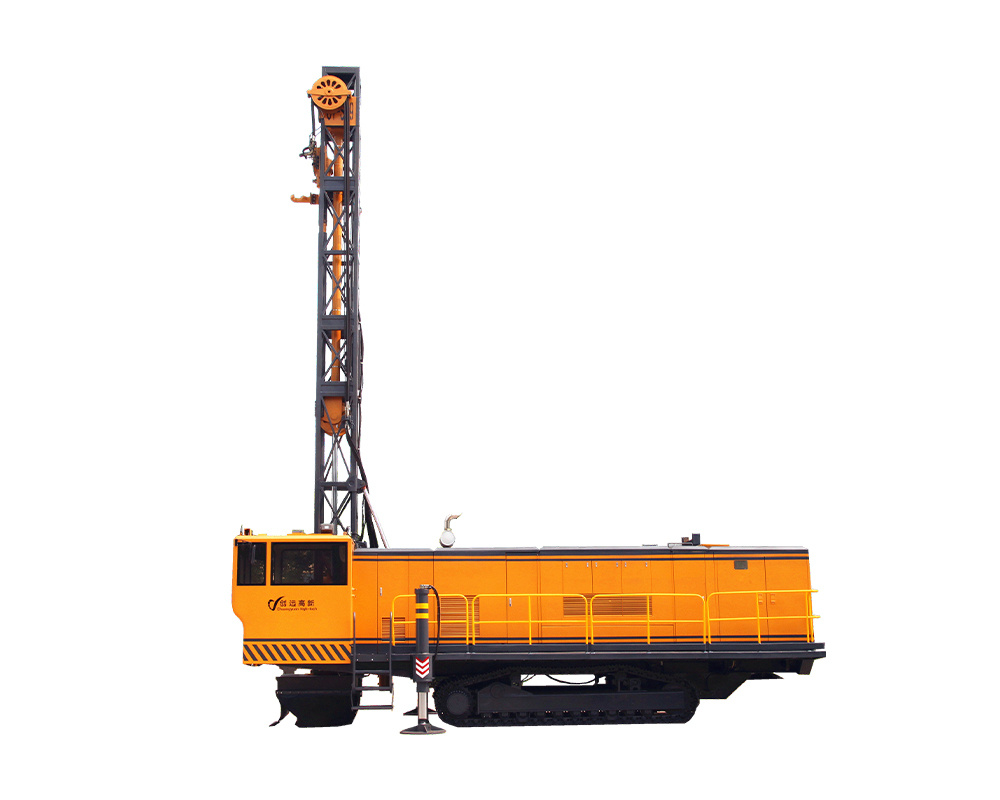
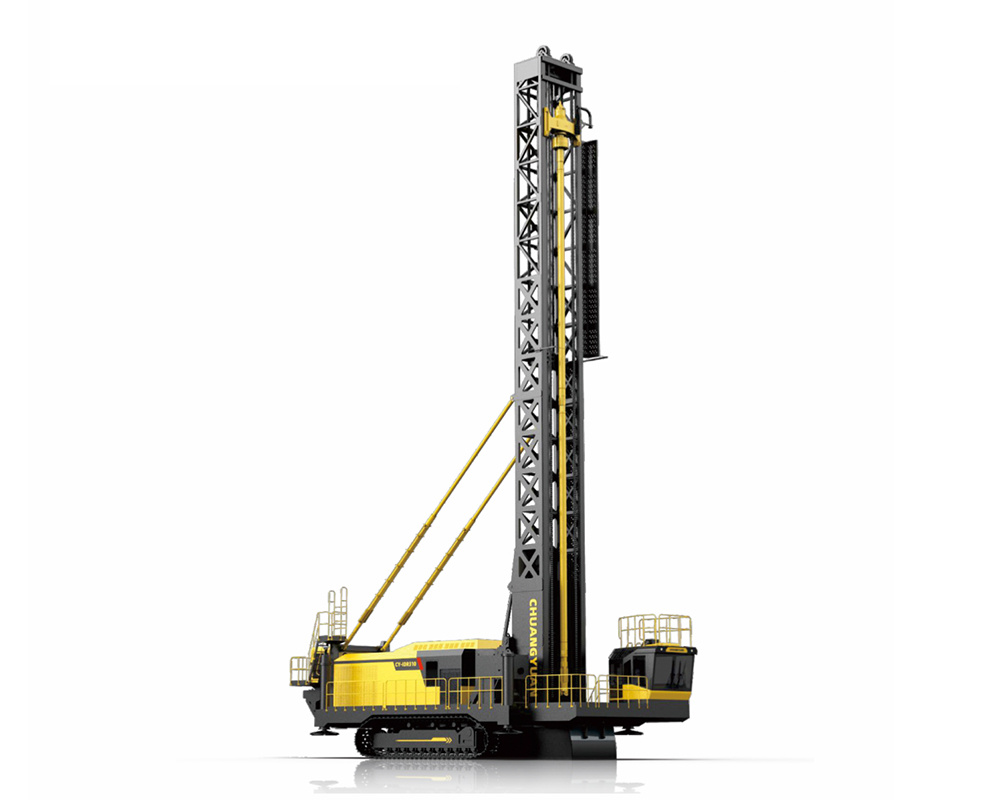
Open-Pit Rotary Blasthole Drills: The Key to Efficient Mineral Extraction
2026-09-03
Open-Pit Rotary Blasthole Drills: The Key to Efficient Mineral Extraction
Table of Contents
1. Understanding Open-Pit Mining
2. What is a Rotary Blasthole Drill?
2.1 The Mechanisms Behind Rotary Drilling
2.2 Advantages of Rotary Blasthole Drills
3. Key Components of Open-Pit Rotary Blasthole Drills
3.1 Drill Bits
3.2 Drill Rigs
3.3 Control Systems
4. The Role of Open-Pit Rotary Blasthole Drills in Mineral Extraction
4.1 Efficiency in Resource Recovery
4.2 Environmental Considerations in Open-Pit Mining
5. Advances in Rotary Blasthole Drill Technology
5.1 Automation and Remote Operations
5.2 Enhanced Safety Features
6. Choosing the Right Rotary Blasthole Drill for Your Operation
6.1 Factors to Consider
6.2 Leading Brands and Models
7. Maintenance Tips for Optimal Performance
8. Frequently Asked Questions (FAQs)
9. Conclusion
1. Understanding Open-Pit Mining
Open-pit mining represents one of the most extensive and efficient methods for mineral extraction. This technique involves removing layers of soil and rock to access valuable minerals found near the surface. The approach not only maximizes resource recovery but also minimizes operational costs associated with underground mining.
The **open-pit** method allows for the extraction of a variety of minerals, including copper, gold, and iron ore. The process begins with careful planning and geological analysis to determine the best areas for drilling.
2. What is a Rotary Blasthole Drill?
A **rotary blasthole drill** is a critical piece of equipment used in open-pit mining. It creates large holes, known as blastholes, in which explosives are placed to fracture the rock, making it easier to remove.
2.1 The Mechanisms Behind Rotary Drilling
Rotary drilling operates by using a rotating drill bit that grinds through rock. The drill is equipped with a powerful motor and a series of components that facilitate efficient drilling. The rotary motion, combined with the weight of the drill, allows for an effective penetration of hard materials.
2.2 Advantages of Rotary Blasthole Drills
The use of rotary blasthole drills offers numerous advantages:
- **Increased Efficiency**: These drills can penetrate harder rock formations quickly, significantly reducing drilling time.
- **Precision**: Advanced technology allows for accurate hole placement, enhancing the effectiveness of the blasting process.
- **Versatility**: Rotary drills can be adapted for different types of mineral extraction, making them suitable for a variety of mining operations.
3. Key Components of Open-Pit Rotary Blasthole Drills
Understanding the key components of rotary blasthole drills is crucial for optimizing their performance.
3.1 Drill Bits
Drill bits come in various designs tailored for specific rock types. The choice of drill bit affects the efficiency of the drilling process. **Tungsten carbide bits** are often favored for their durability and effectiveness in hard rock.
3.2 Drill Rigs
The drill rig houses the mechanisms necessary for driving the drill bit into the ground. Modern rigs come equipped with advanced hydraulic systems that enhance their operational capabilities.
3.3 Control Systems
Today's rotary blasthole drills feature sophisticated control systems that allow for real-time monitoring and adjustments. These systems improve the accuracy of drilling operations and enhance overall safety.
4. The Role of Open-Pit Rotary Blasthole Drills in Mineral Extraction
The impact of rotary blasthole drills on mineral extraction cannot be overstated. They play a pivotal role in maximizing resource recovery, which is essential for the economic viability of mining operations.
4.1 Efficiency in Resource Recovery
Rotary drills enhance resource recovery by allowing miners to access deeper deposits more quickly. This efficiency translates to lower operational costs and increased profitability.
4.2 Environmental Considerations in Open-Pit Mining
While open-pit mining is effective, it also raises environmental concerns. The use of rotary drills can mitigate some of these issues by reducing the amount of waste rock generated during the extraction process.
5. Advances in Rotary Blasthole Drill Technology
As technology evolves, so do the capabilities of rotary blasthole drills.
5.1 Automation and Remote Operations
Automation in drilling operations is becoming increasingly common. Remote-controlled drills allow for safer operation, minimizing the risks associated with human involvement in hazardous environments.
5.2 Enhanced Safety Features
Modern rotary drills now include safety features such as automatic shut-off systems and enhanced visibility, contributing to safer drilling practices.
6. Choosing the Right Rotary Blasthole Drill for Your Operation
Selecting the appropriate rotary blasthole drill for your specific mining operation is crucial for success.
6.1 Factors to Consider
Key factors to consider when choosing a drill include:
- **Rock type**: Different rock formations may require specialized drill bits.
- **Drilling depth**: The depth of the mineral deposit impacts the type of drill rig needed.
- **Production goals**: Understanding the production capacity required will inform your choice.
6.2 Leading Brands and Models
Several brands are recognized for their high-quality rotary blasthole drills, including **Caterpillar**, **Komatsu**, and **Sandvik**. Each offers a range of models tailored to various mining needs, ensuring that operators can find a suitable machine for their application.
7. Maintenance Tips for Optimal Performance
Regular maintenance is essential for keeping rotary blasthole drills operating at peak performance. Key maintenance practices include:
- **Routine inspections**: Check drill bits, rigs, and hydraulic systems for wear and tear.
- **Lubrication**: Ensure all moving parts are properly lubricated to avoid friction and prolong machine life.
- **Training**: Invest in training for operators to ensure they can identify and address potential issues promptly.
8. Frequently Asked Questions (FAQs)
8.1 What is the typical lifespan of a rotary blasthole drill?
The lifespan of a rotary blasthole drill can vary based on usage and maintenance, but with proper care, they can last for several years.
8.2 How deep can rotary blasthole drills penetrate?
The penetration depth of rotary blasthole drills can reach several hundred meters, depending on the model and rock conditions.
8.3 Are rotary blasthole drills environmentally friendly?
While open-pit mining has environmental impacts, advances in rotary drill technology are reducing waste and improving efficiency, making them more environmentally responsible.
8.4 How do I know which drill bit to use?
Selecting the right drill bit depends on the rock type you are drilling into. Consult manufacturer guidelines to determine the best bit for your application.
8.5 What advancements should we expect in the future of drilling technology?
Future advancements may include greater automation, enhanced safety features, and improved energy efficiency, further optimizing the mineral extraction process.
9. Conclusion
Open-pit rotary blasthole drills are undeniably vital to modern mineral extraction processes. With their ability to enhance efficiency, reduce operational costs, and improve safety, these machines are transforming the mining industry. Understanding their components, selecting the right equipment, and keeping up with technological advancements can significantly impact the effectiveness of mineral extraction operations. As the mining industry continues to evolve, embracing these powerful tools will be essential for success in an increasingly competitive market.
Related Recommendations
Contact Information
Service Hotline:
400-873-5166
Email:
hncy9988@126.com
Address:
Building C-3, Huanchuang Park, No. 2450, Yuelu West Avenue, Changsha Hi-Tech Development Zone, China

What can we help you find?
Address: Building C3, Huanchuang Enterprise Plaza, 2450 Yuelu Avenue West, Changsha, Hunan Province, P.R.C.
Copyright © 2025 Hunan Chuangyuan HIGH-TECH Machinery Co., Ltd.