

-
-
-
-
Service
-
Contact Us

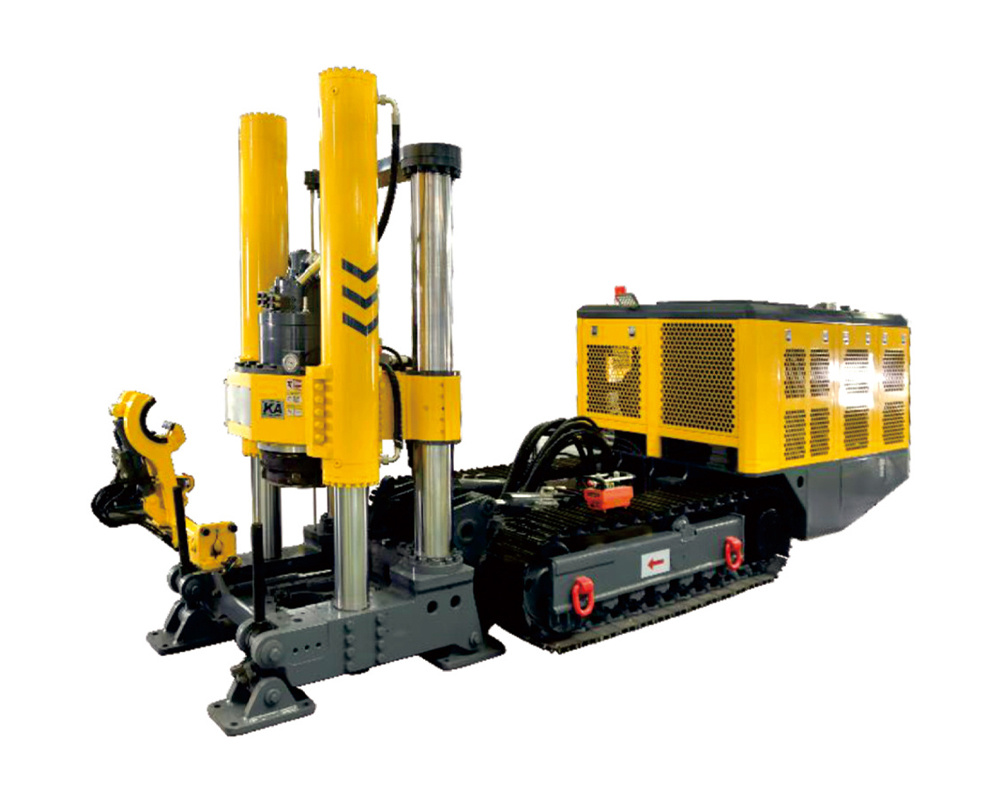
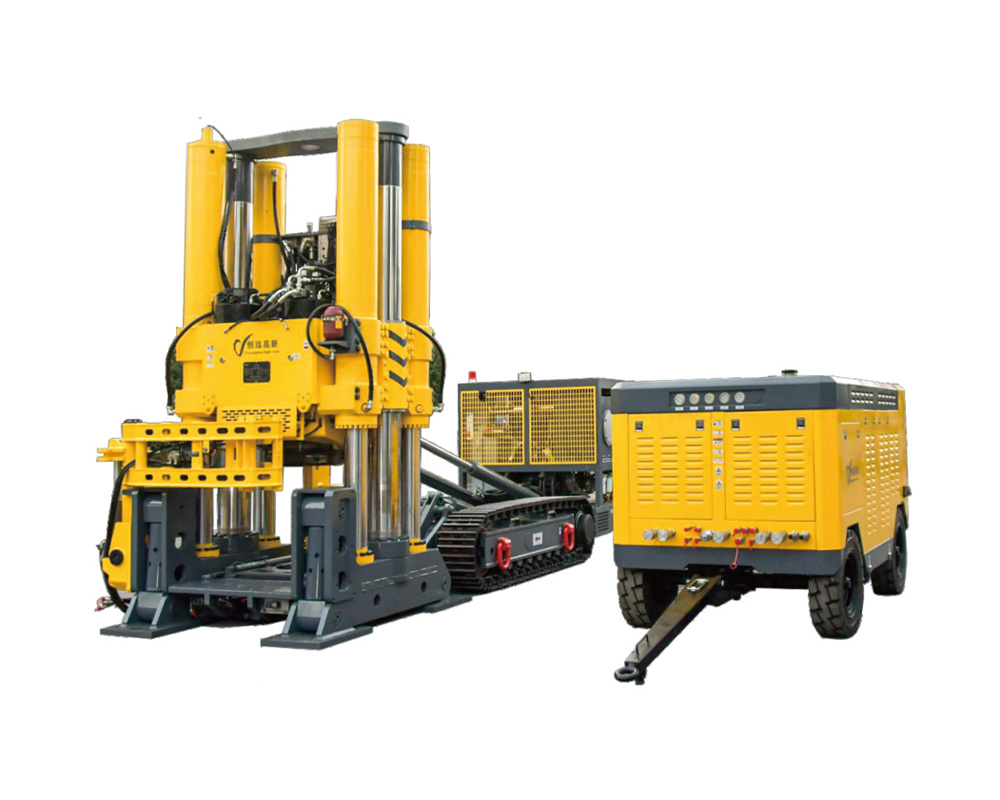
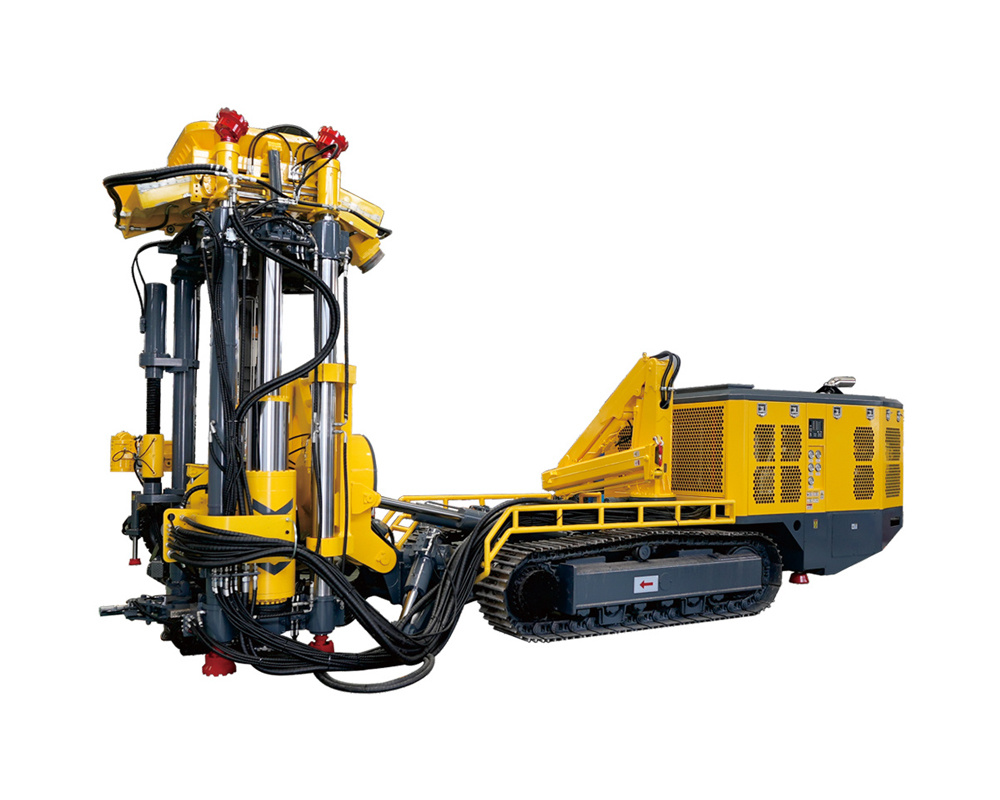
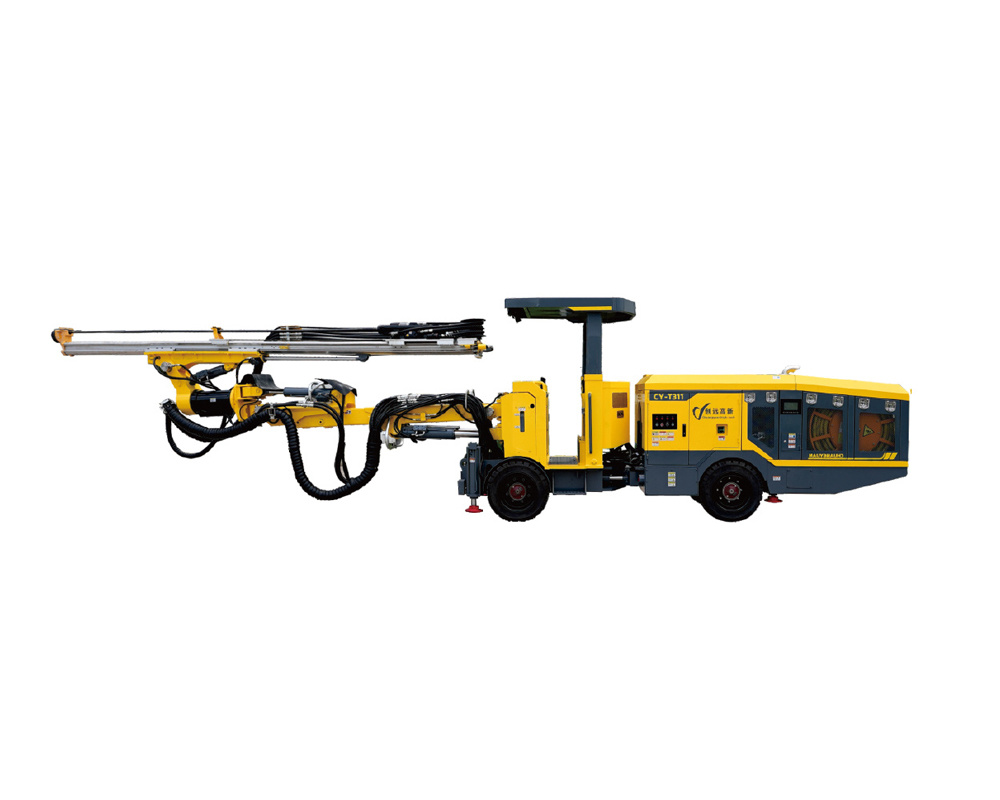
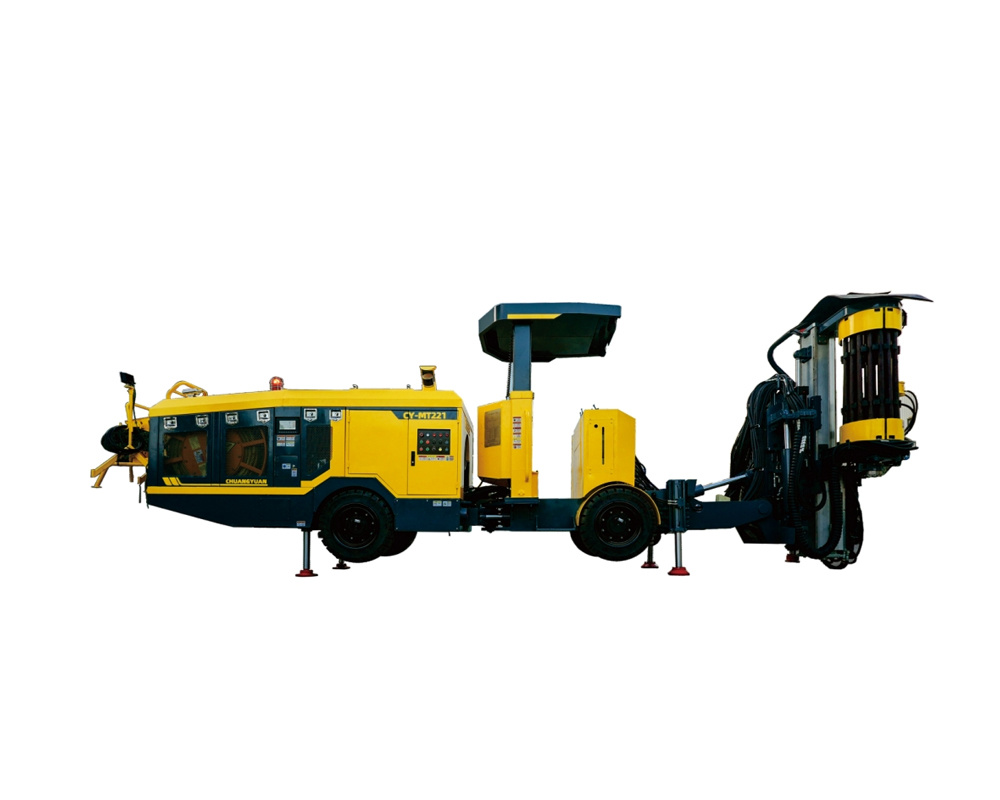
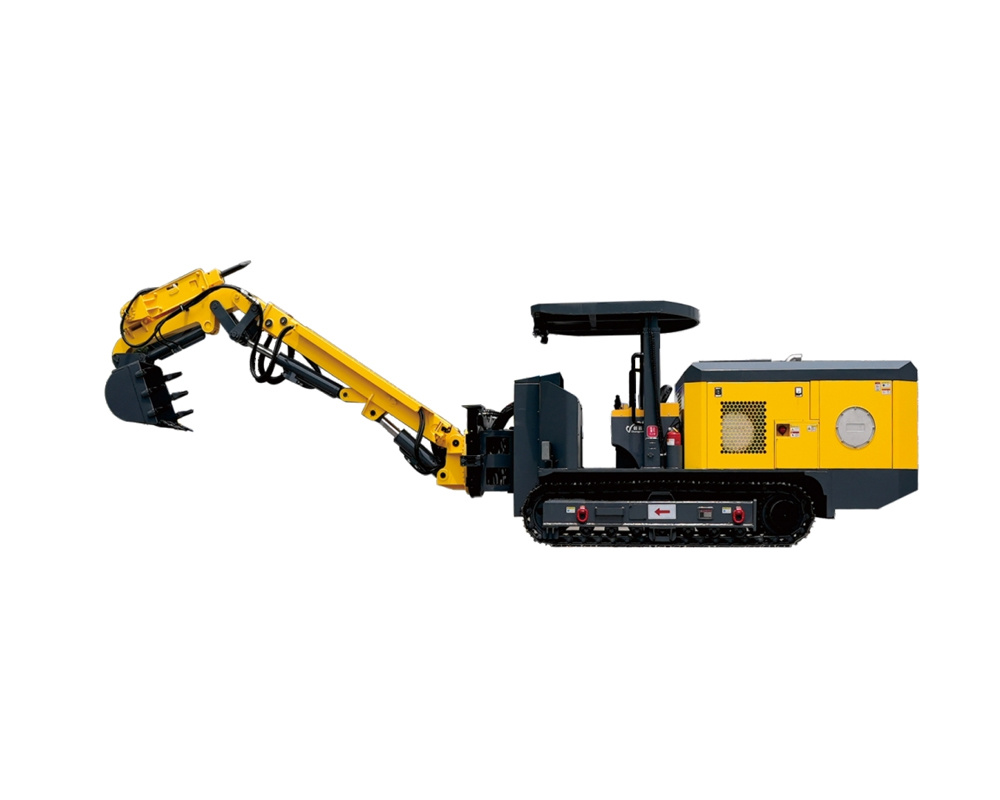
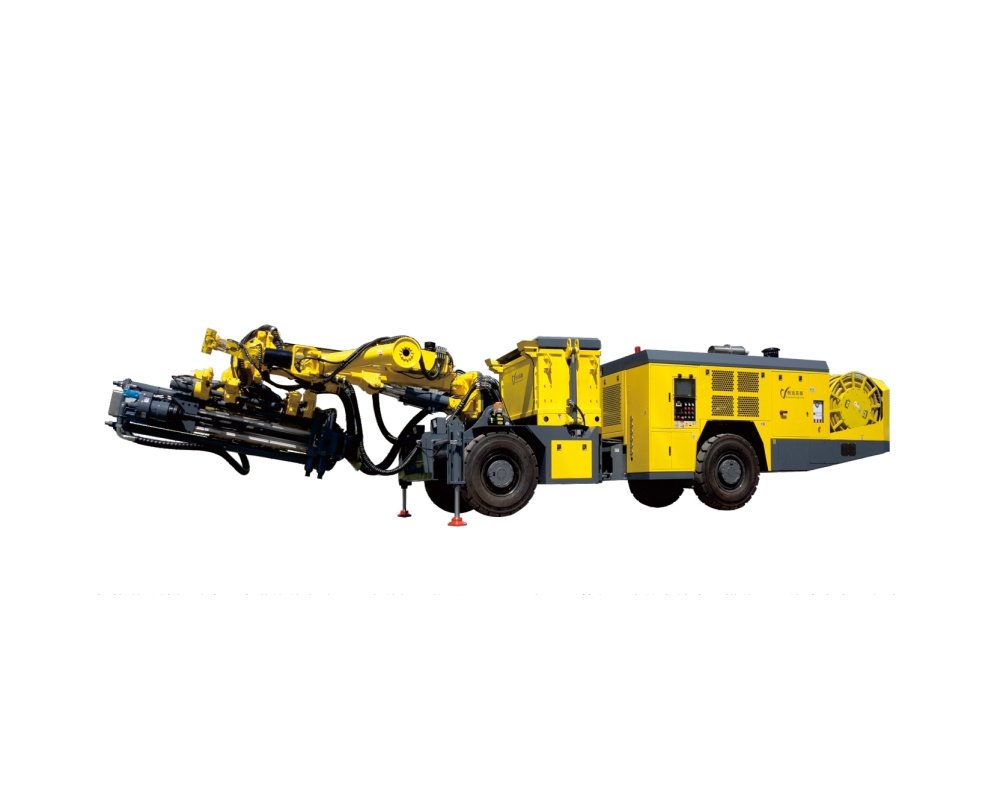
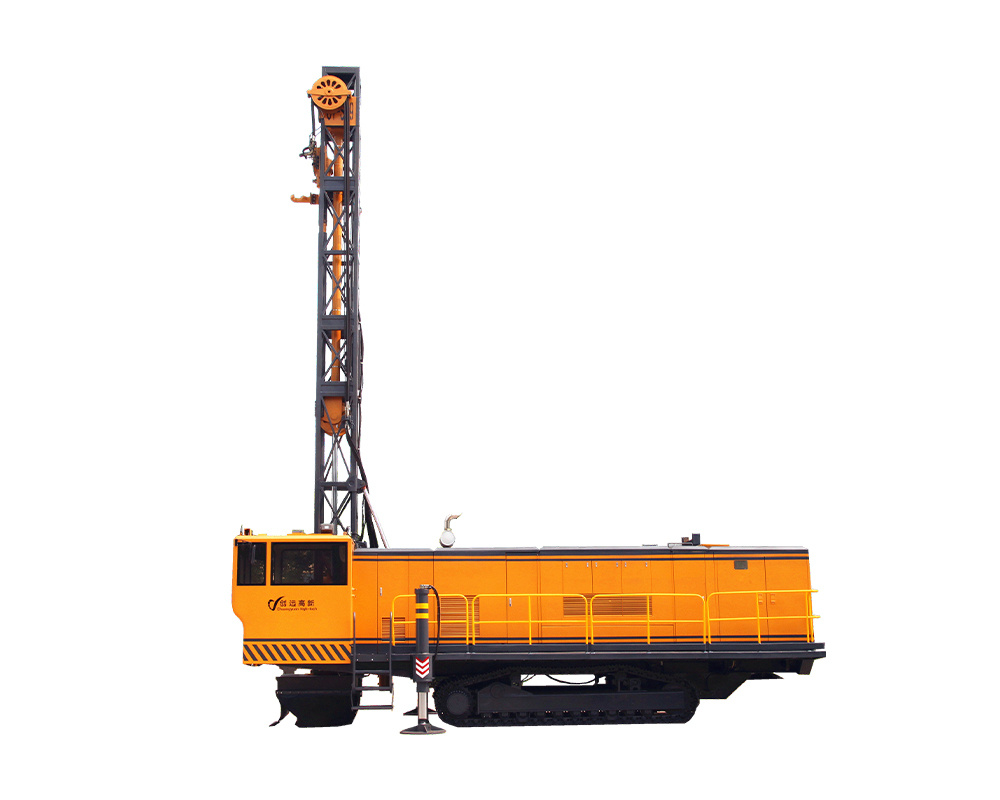
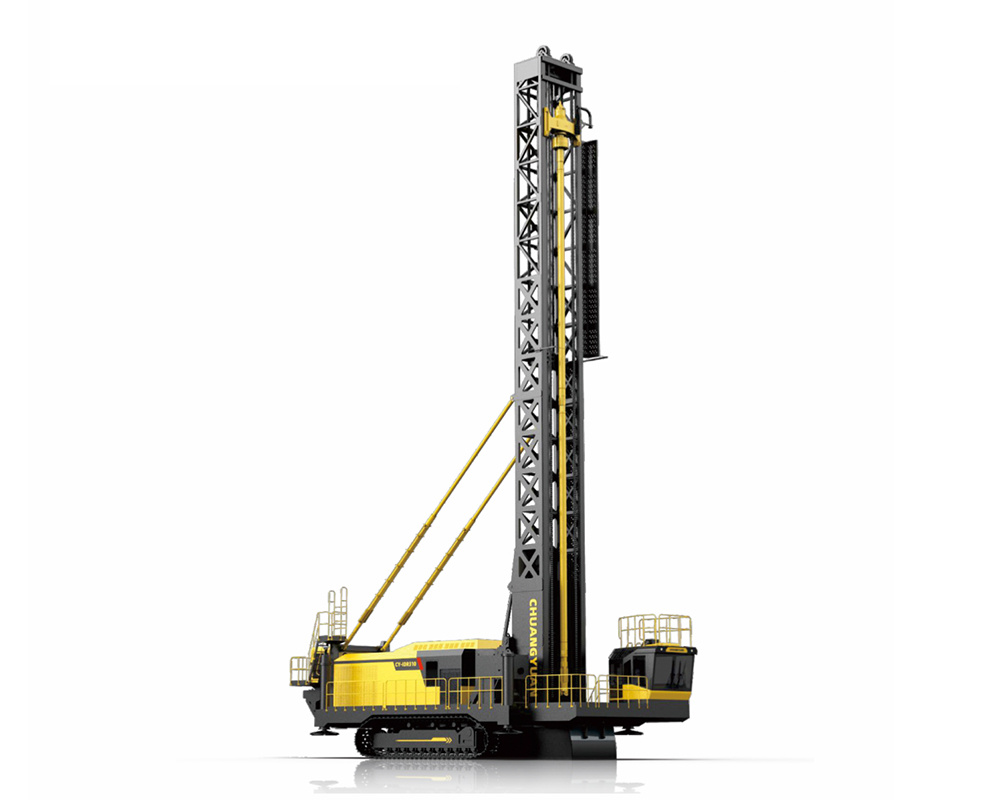
Troubleshooting Common Issues with Open-Pit Rotary Blasthole Drills: A Comprehensive Guide
2026-08-28
Troubleshooting Common Issues with Open-Pit Rotary Blasthole Drills
Table of Contents
1. Introduction to Open-Pit Rotary Blasthole Drills
2. Understanding Common Operational Issues
2.1. Drill Bit Wear and Tear
2.2. Hydraulic System Failures
2.3. Drilling Speed Variability
3. Effective Troubleshooting Techniques
3.1. Diagnosing Drill Bit Problems
3.2. Addressing Hydraulic Failures
3.3. Managing Drilling Speed
4. Preventive Maintenance Best Practices
4.1. Regular Inspections
4.2. Scheduled Maintenance Intervals
5. Enhancing Drill Performance
5.1. Optimizing Bit Selection
5.2. Adapting to Geological Conditions
6. Conclusion
7. Frequently Asked Questions (FAQs)
1. Introduction to Open-Pit Rotary Blasthole Drills
Open-pit rotary blasthole drills serve as the backbone of mining operations, particularly in large-scale projects where efficiency and precision are paramount. These powerful machines are designed to penetrate deep into the earth, creating holes for explosives that facilitate the extraction of minerals. However, like any complex machinery, they encounter a range of issues that hinder performance and productivity. Understanding these challenges and how to address them is crucial for any mining operation aiming to maintain a competitive edge.
2. Understanding Common Operational Issues
While open-pit rotary blasthole drills are engineered for durability, several factors can lead to operational difficulties. Identifying these issues early on can save time and resources.
2.1. Drill Bit Wear and Tear
Drill bits are subject to intense conditions, leading to wear and tear over time. The type of rock being drilled, the drilling speed, and the lubrication used can all contribute to the degradation of drill bits. When bits become dull or damaged, not only does drilling slow down, but it can also lead to increased operational costs.
2.2. Hydraulic System Failures
The hydraulic system is crucial for the operation of rotary blasthole drills, controlling functions such as rotation, feed, and movement. Failures in this system can lead to significant downtime. Common issues include leaks, pump failures, and inadequate fluid levels, all of which can impair drilling efficiency.
2.3. Drilling Speed Variability
Inconsistencies in drilling speed can severely affect productivity. Factors that can contribute to this variability include bit wear, hydraulic issues, and incorrect drilling parameters. Recognizing the cause of speed changes is essential for implementing effective solutions.
3. Effective Troubleshooting Techniques
Troubleshooting involves systematic diagnosis and resolution of issues. By employing targeted techniques, operators can enhance drilling performance.
3.1. Diagnosing Drill Bit Problems
To diagnose issues related to drill bits, operators should regularly inspect bits for signs of wear, such as chipping, and assess the type of rock being drilled. Utilizing the right bit for specific geological conditions is critical. If wear is observed, consider replacing the bit with one designed for harder materials or adjusting drilling parameters, such as speed or pressure.
3.2. Addressing Hydraulic Failures
Hydraulic failures can often be identified through a drop in performance or unusual noises coming from the hydraulic system. Operators should check for leaks in hoses and fittings and ensure that fluid levels are adequate. Regular maintenance of hydraulic components, including pumps and filters, will help reduce the incidence of failure.
3.3. Managing Drilling Speed
To manage drilling speed effectively, operators must ensure that all parameters are optimized. Monitoring the weight on the bit, rotation speed, and feed rate can help maintain consistent speed. If speed continues to fluctuate, it may be necessary to reassess the type of drill bit used and consider potential wear or damage.
4. Preventive Maintenance Best Practices
Preventive maintenance is a proactive approach that can significantly reduce the likelihood of equipment breakdowns. Following best practices ensures that open-pit rotary blasthole drills remain in optimal working condition.
4.1. Regular Inspections
Conducting regular inspections is vital for identifying potential issues before they escalate. Operators should examine drill bits, hydraulic systems, and electrical components routinely. Keeping a maintenance log can aid in tracking wear patterns and predicting future maintenance needs.
4.2. Scheduled Maintenance Intervals
Establishing a schedule for routine maintenance tasks—such as changing fluids, replacing filters, and greasing moving parts—will help keep the drill functioning at peak performance. Adhering to the manufacturer's recommendations for maintenance intervals can prolong the life of the equipment.
5. Enhancing Drill Performance
Optimizing drill performance is crucial for maximizing productivity in open-pit mining operations. Implementing the right strategies can lead to improved results.
5.1. Optimizing Bit Selection
Selecting the appropriate drill bit for the specific geological conditions can drastically improve drilling efficiency. Operators must consider the hardness of the rock, the required hole size, and the intended depth. Investing in high-quality bits that are tailored to the specific challenges of the site will yield better performance.
5.2. Adapting to Geological Conditions
Understanding the geology of the area is essential for effective drilling. Variations in rock type can significantly impact drilling performance. Operators should conduct geological surveys before beginning drilling to make informed decisions regarding equipment and techniques.
6. Conclusion
Troubleshooting common issues with open-pit rotary blasthole drills is essential for maintaining operational efficiency in mining operations. By understanding the potential challenges, employing effective troubleshooting techniques, and adhering to preventive maintenance practices, operators can enhance drill performance and minimize downtime. Staying informed about the latest advancements in drill technology and best practices will further empower mining professionals to optimize their operations and achieve sustainable success.
7. Frequently Asked Questions (FAQs)
1. What are the most common problems faced by open-pit rotary blasthole drills?
The most common issues include drill bit wear and tear, hydraulic system failures, and variability in drilling speed.
2. How can I diagnose drill bit problems effectively?
Regular inspections for wear, assessing rock type, and monitoring drilling parameters can help diagnose drill bit issues.
3. What steps can I take to address hydraulic failures?
Check for leaks, ensure adequate fluid levels, and maintain hydraulic components regularly to minimize failures.
4. How do regular inspections benefit drilling operations?
Regular inspections help identify potential issues early, allowing for timely maintenance and reducing downtime.
5. Why is bit selection important in drilling?
Using the right drill bit for specific geological conditions significantly impacts drilling efficiency and productivity.
By implementing these strategies and insights, we can navigate the complexities of open-pit rotary blasthole drills and optimize our mining operations effectively.
Related Recommendations
Contact Information
Service Hotline:
400-873-5166
Email:
hncy9988@126.com
Address:
Building C-3, Huanchuang Park, No. 2450, Yuelu West Avenue, Changsha Hi-Tech Development Zone, China

What can we help you find?
Address: Building C3, Huanchuang Enterprise Plaza, 2450 Yuelu Avenue West, Changsha, Hunan Province, P.R.C.
Copyright © 2025 Hunan Chuangyuan HIGH-TECH Machinery Co., Ltd.