

-
-
-
-
Service
-
Contact Us

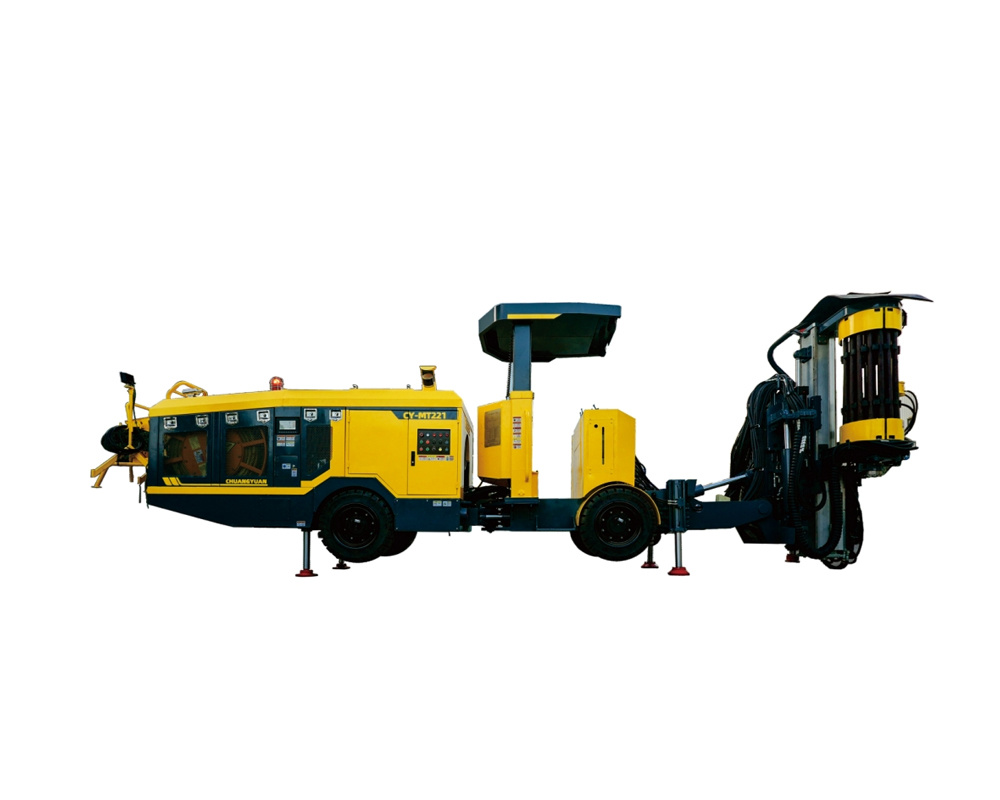
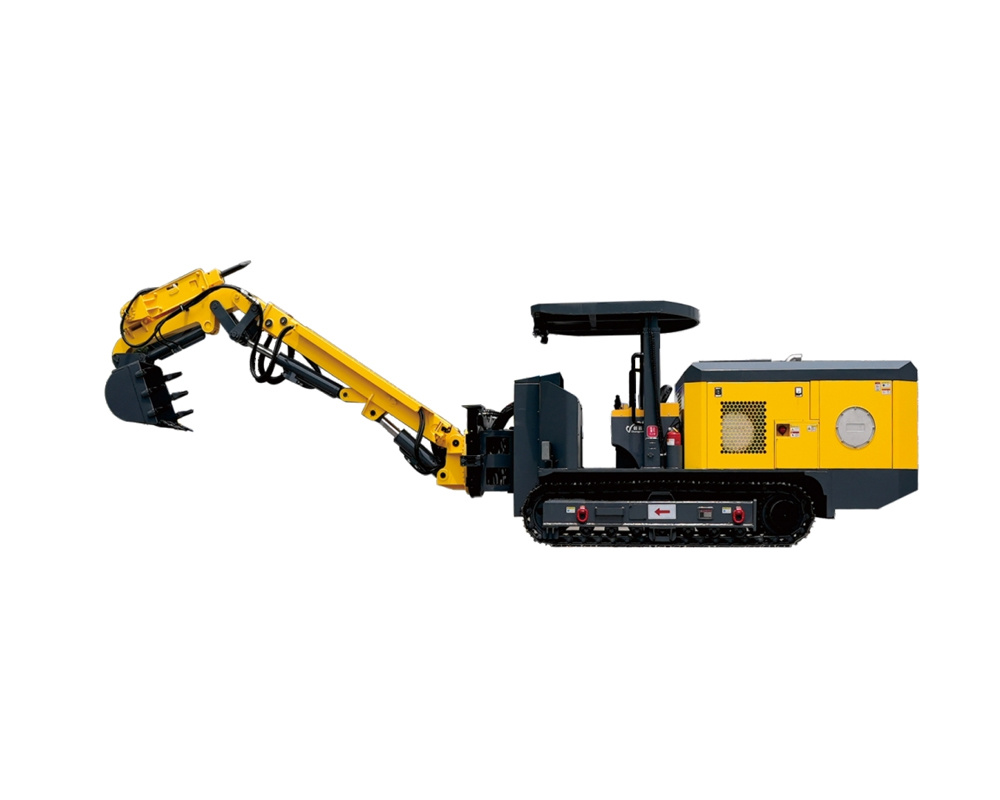
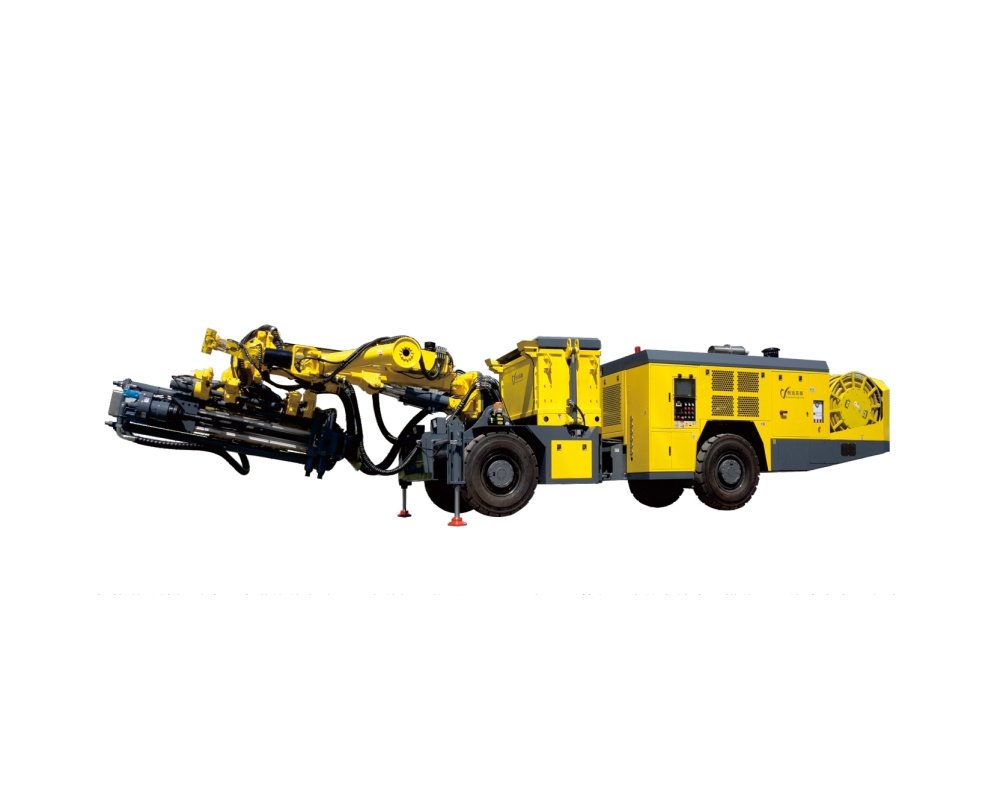
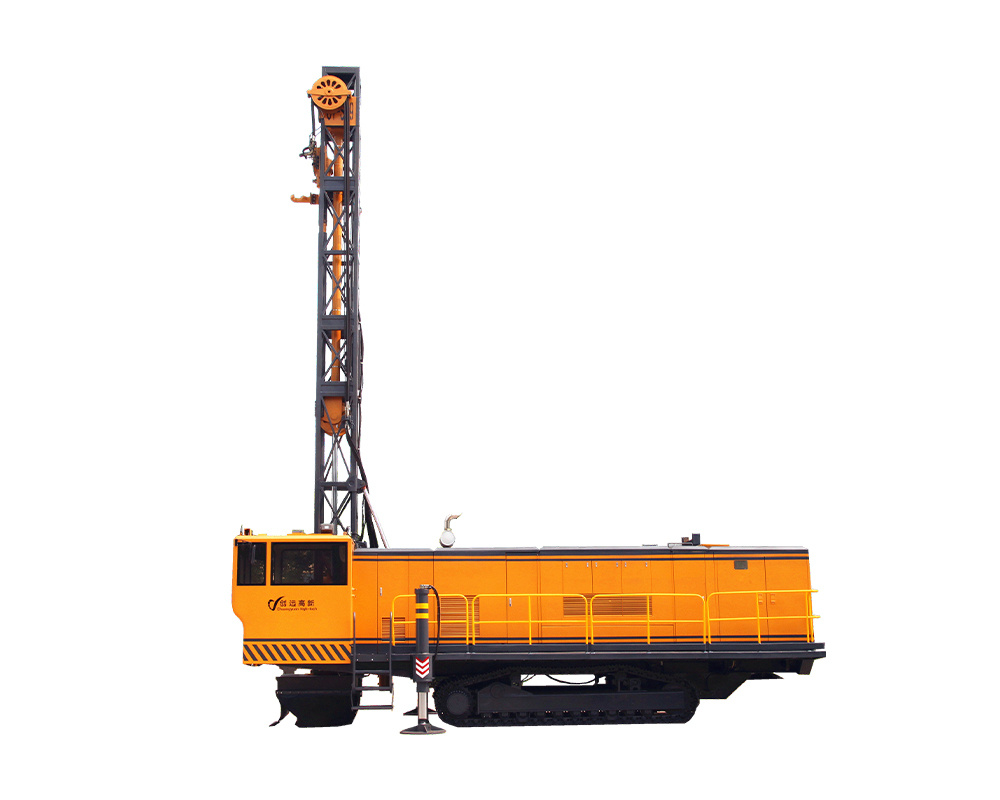
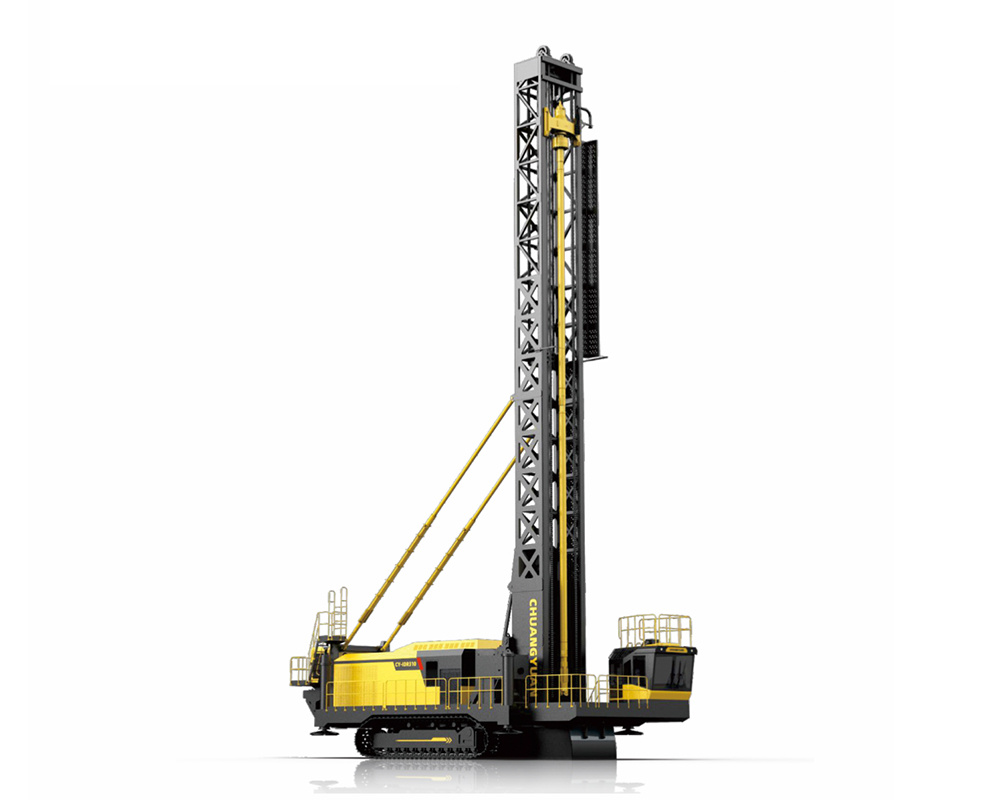
Understanding the Technology Behind Raise Boring Machines: A Comprehensive Guide
2026-08-14
Understanding the Technology Behind Raise Boring Machines
Table of Contents
- 1. Introduction to Raise Boring Machines
- 2. What is Raise Boring?
- 3. Components of Raise Boring Machines
- 4. How Do Raise Boring Machines Work?
- 5. Advantages of Using Raise Boring Machines
- 6. Applications in Mining and Construction
- 7. The Future of Raise Boring Technology
- 8. Frequently Asked Questions
- 9. Conclusion
1. Introduction to Raise Boring Machines
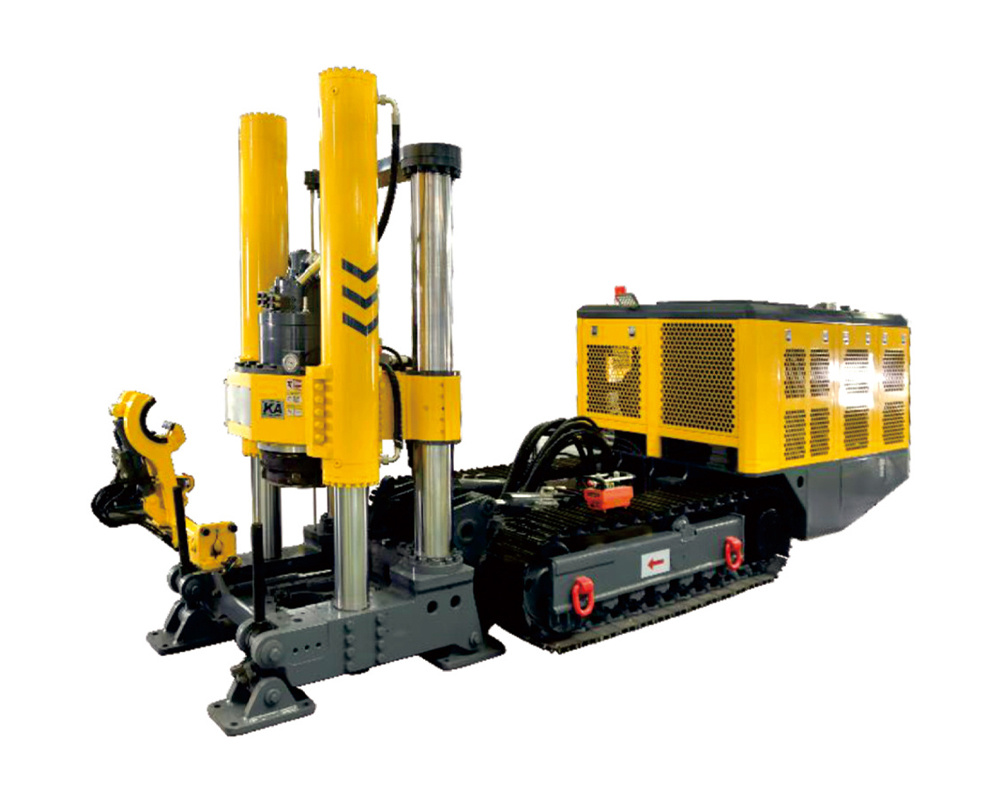
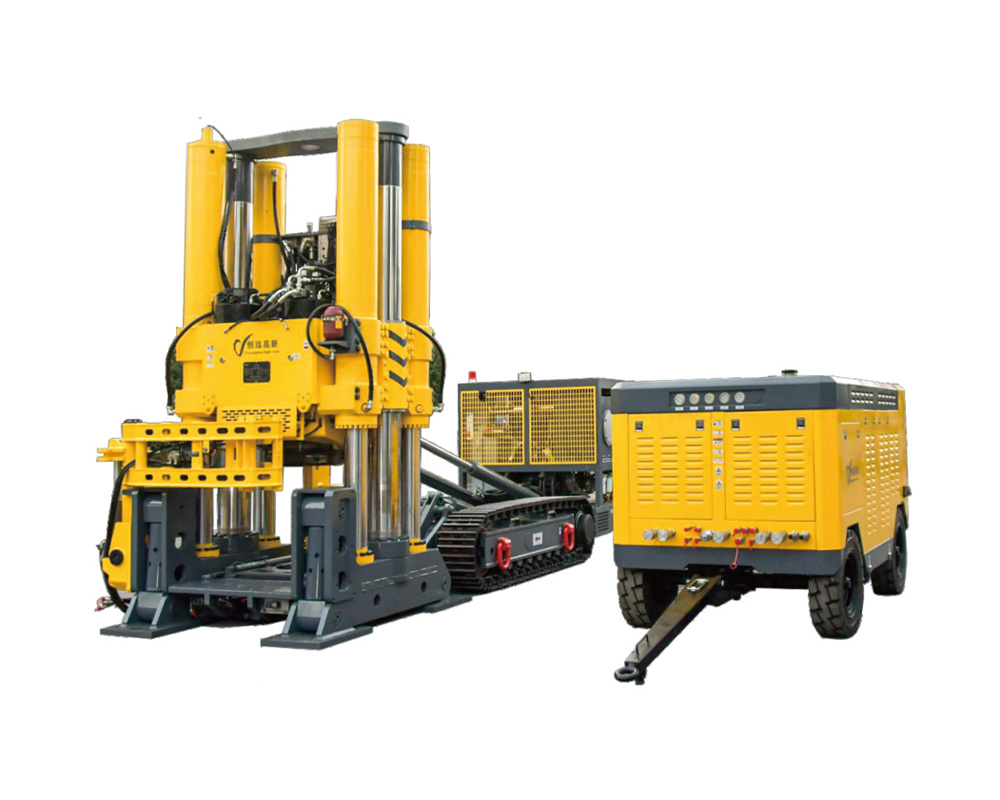
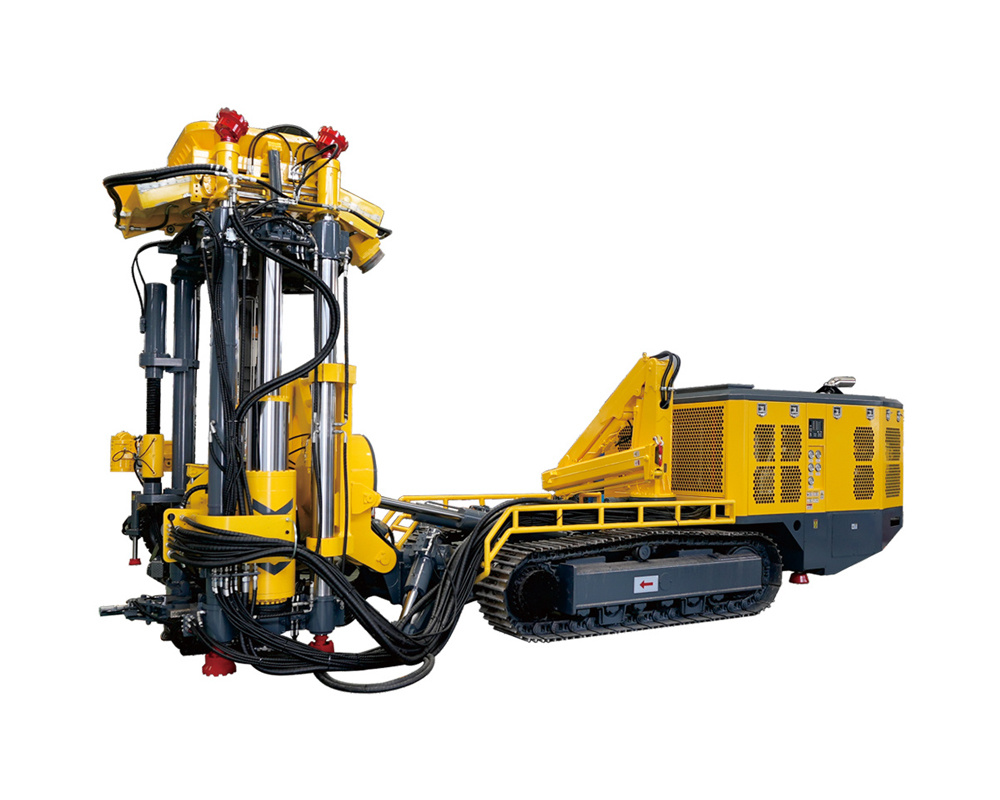
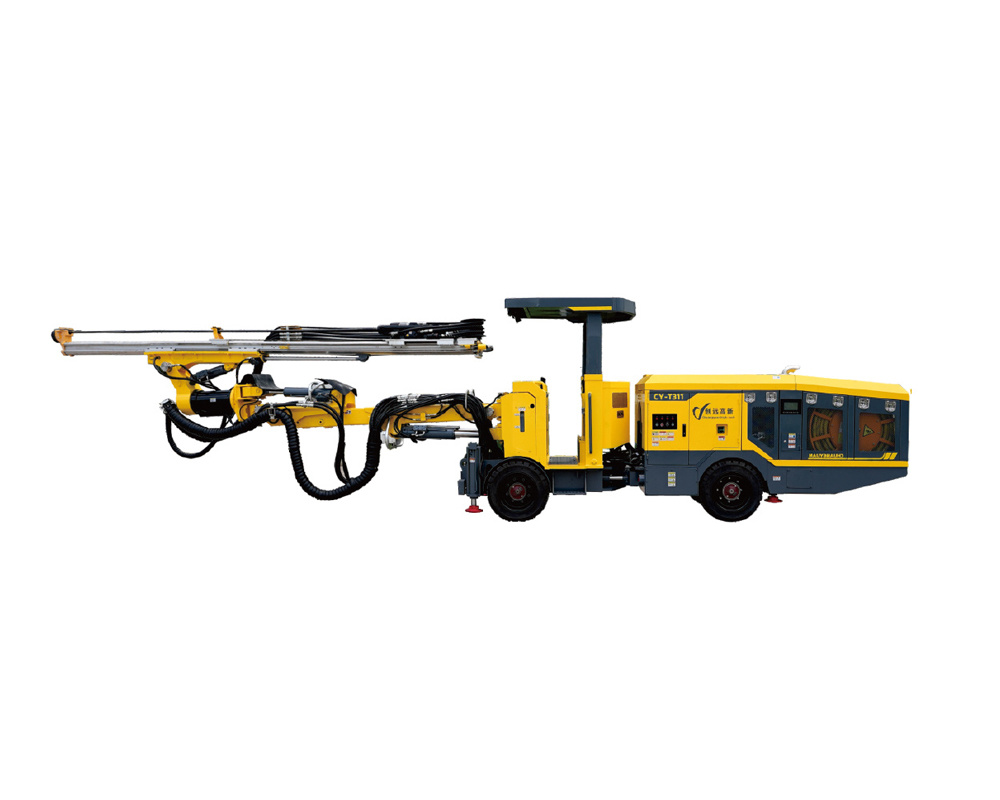
Raise boring machines (RBMs) have transformed the way vertical holes are created in mines and construction sites. Unlike traditional drilling methods, which can be noisy and hazardous, RBMs offer a safer and more efficient alternative. In this article, we will explore the intricate technology behind these machines, how they operate, and their numerous applications.
2. What is Raise Boring?
Raise boring is a method used to create vertical or near-vertical holes, known as raises, in rock formations. This technique is particularly valued in underground mining operations for its efficiency and safety. The process involves using a raise boring machine to drill a pilot hole and then expand it to the desired diameter using reaming tools. This method is often employed for ventilation shafts, ore passes, and cable ways.
3. Components of Raise Boring Machines
Raise boring machines consist of several key components, each playing a crucial role in their functionality. Understanding these parts is essential for appreciating how these machines operate.
3.1. Drill String
The drill string is a series of connected pipes that extends from the surface down to the drilling site. It houses the drilling tools and provides the necessary torque for the boring process.
3.2. Boring Head
The boring head is fitted with cutting tools designed to carve through rock. It is crucial for the efficiency of the raise boring process, as the design and material of the cutting tools directly affect performance.
3.3. Reamer
A reamer is utilized to widen the pilot hole to the desired diameter. This component is essential for ensuring that the raise has the right size for its intended use.
3.4. Control System
Modern raise boring machines are equipped with sophisticated control systems that allow operators to monitor and adjust drilling parameters in real-time, enhancing precision and safety.
4. How Do Raise Boring Machines Work?
The operation of a raise boring machine can be broken down into several steps:
4.1. Initial Setup
The first step involves positioning the raise boring machine at the designated drilling site. This setup is crucial for ensuring accuracy during the boring process.
4.2. Drilling the Pilot Hole
Once the machine is set up, the pilot hole is drilled using the boring head. This initial hole serves as a guide for the reaming process and is typically smaller in diameter than the final raise.
4.3. Reaming Process
After successfully drilling the pilot hole, the reamer is attached, and the hole is expanded to the desired size. This step can vary in complexity depending on the geology of the site and the diameter of the raise.
4.4. Completion and Cleaning
After reaching the final diameter, the boring machine is retracted, and any debris is cleared from the hole, ensuring it is ready for its intended purpose.
5. Advantages of Using Raise Boring Machines
Raise boring machines offer numerous advantages that make them a preferred choice in many mining and construction scenarios.
5.1. Enhanced Safety
One of the most significant benefits of raise boring is the enhanced safety it provides. Since the operator remains on the surface, the risks associated with underground drilling are significantly reduced.
5.2. Reduced Noise and Vibration
Raise boring machines operate more quietly compared to conventional drilling methods, which can minimize disruption in surrounding areas and reduce vibration that could affect nearby structures.
5.3. Greater Precision
The technological advancements in control systems allow for greater precision in drilling, leading to fewer errors and a more efficient operation.
5.4. Improved Productivity
Due to their efficiency and speed, raise boring machines can significantly increase productivity on mining and construction projects, allowing for quicker project completion.
6. Applications in Mining and Construction
Raise boring machines are utilized in various applications, reflecting their versatility and effectiveness in handling different geological conditions.
6.1. Ventilation Shafts
In mining operations, raise boring is often employed to create ventilation shafts, which are critical for maintaining air quality underground.
6.2. Ore Passes
Ore passes, which facilitate the transport of ore from higher to lower levels, are another common application. Raise boring machines provide a reliable way to create these passages.
6.3. Cable Ways
In some cases, raise boring is used to create cable ways for transporting materials and equipment, enhancing operational efficiency.
6.4. Environmental Projects
Beyond mining, raise boring technology is increasingly being applied in environmental projects, such as constructing underground storage facilities for hazardous waste.
7. The Future of Raise Boring Technology
The future of raise boring technology is promising, with ongoing advancements that aim to enhance efficiency, reduce costs, and improve safety. Innovations in automation and data analytics are expected to play a significant role in the evolution of raise boring machines.
7.1. Automation Trends
As industries seek to improve operational efficiency, the integration of automated systems in raise boring machines is becoming more common. These systems can monitor performance and make real-time adjustments to optimize drilling.
7.2. Sustainable Practices
Environmental concerns are driving the industry toward more sustainable practices. Future raise boring technology will likely focus on reducing energy consumption and minimizing environmental impact.
8. Frequently Asked Questions
8.1. What is the typical diameter range for raises created by raise boring machines?
The diameter of raises can vary, commonly ranging from 1 to 4 meters, depending on the project's requirements.
8.2. How deep can raise boring machines operate?
Raise boring machines can effectively operate at depths exceeding 1,500 meters, though specific capabilities depend on the machine design and geological conditions.
8.3. Are raise boring machines suitable for all rock types?
While raise boring machines are versatile, their effectiveness can be influenced by rock hardness and geological conditions. Specialized cutting tools may be needed for particularly challenging rock types.
8.4. How long does the raise boring process typically take?
The duration of the raise boring process varies based on factors like depth and diameter, but it can range from several days to weeks.
8.5. What safety precautions are taken during the raise boring process?
Safety precautions include monitoring air quality, ensuring proper equipment maintenance, and following strict operational protocols to protect workers on site.
9. Conclusion
Raise boring machines represent a significant advancement in drilling technology, offering a safer, more efficient alternative to traditional methods. Their unique components and operational principles enable them to serve a variety of applications in mining and construction. As the industry continues to innovate, the future of raise boring technology looks bright, with improved automation and sustainability efforts paving the way for enhanced performance and reduced environmental impact. Understanding the technology behind raise boring machines not only highlights their importance in modern operations but also sets the stage for future developments in this essential field.
Related Recommendations
Contact Information
Service Hotline:
400-873-5166
Email:
hncy9988@126.com
Address:
Building C-3, Huanchuang Park, No. 2450, Yuelu West Avenue, Changsha Hi-Tech Development Zone, China

What can we help you find?
Address: Building C3, Huanchuang Enterprise Plaza, 2450 Yuelu Avenue West, Changsha, Hunan Province, P.R.C.
Copyright © 2025 Hunan Chuangyuan HIGH-TECH Machinery Co., Ltd.