

-
-
-
-
Service
-
Contact Us

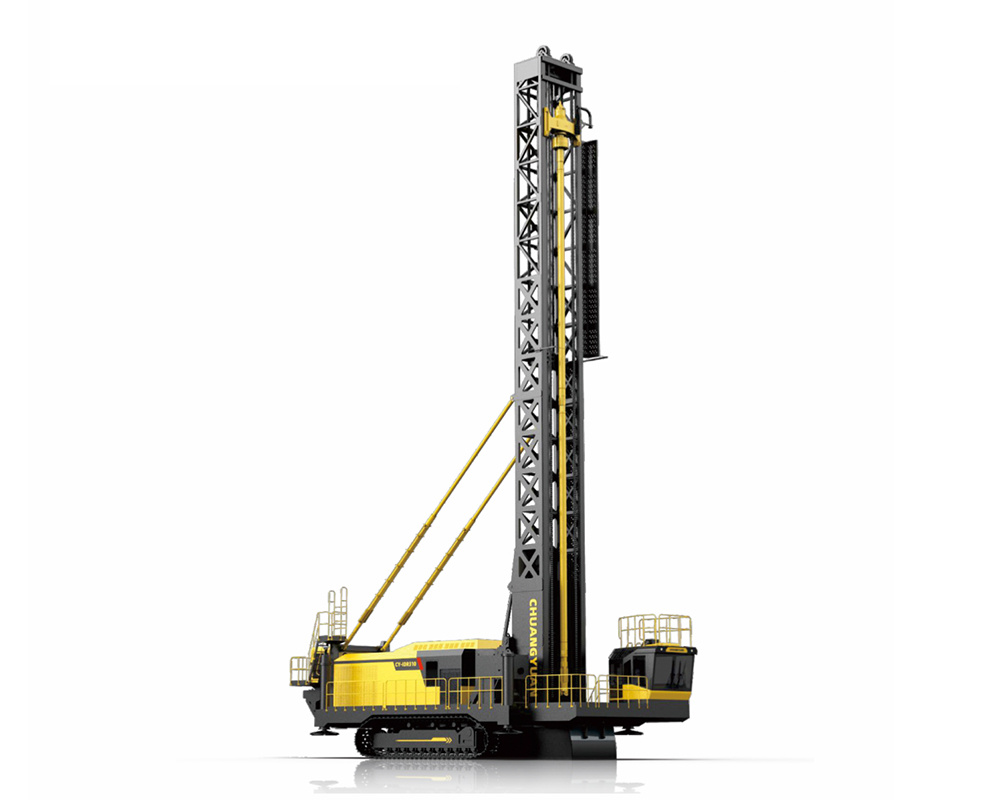
How Raise Boring Machines Revolutionize Underground Excavation
2026-07-27
How Raise Boring Machines Revolutionize Underground Excavation
Table of Contents
- 1. Introduction to Raise Boring Machines
- 2. What Are Raise Boring Machines?
- 3. History of Raise Boring Technology
- 4. Advantages of Using Raise Boring Machines
- 5. Applications of Raise Boring Machines in Mining
- 6. Technical Aspects of Raise Boring Machines
- 7. Future Trends in Raise Boring Technology
- 8. FAQs
- 9. Conclusion
1. Introduction to Raise Boring Machines
In the ever-evolving field of mining and underground excavation, **raise boring machines** (RBMs) have emerged as game-changers. These sophisticated pieces of equipment play a crucial role in enhancing safety, efficiency, and accuracy in various mining operations. As the demand for minerals continues to rise, understanding how RBMs revolutionize underground excavation becomes essential for industry professionals.
2. What Are Raise Boring Machines?
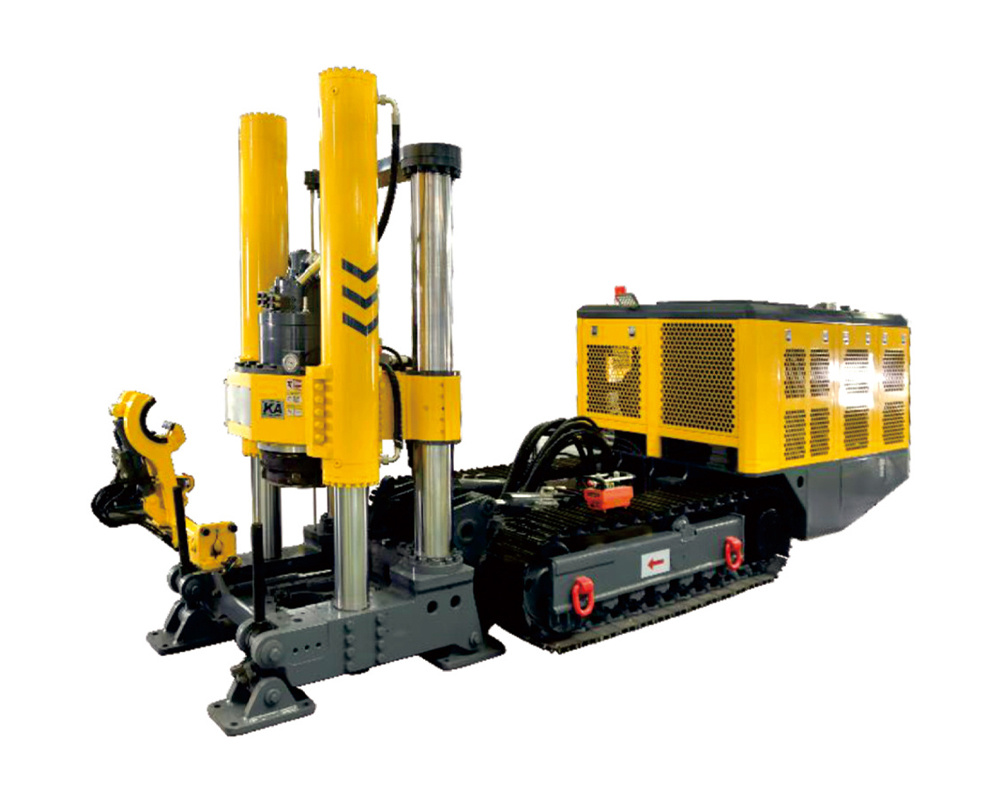
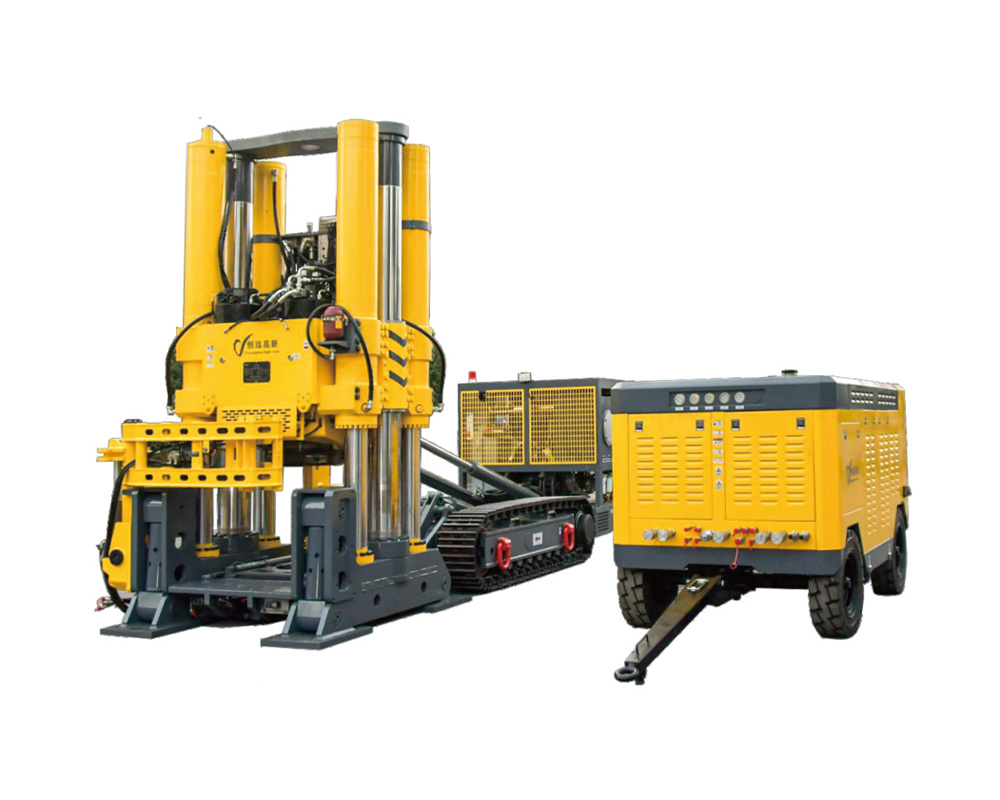
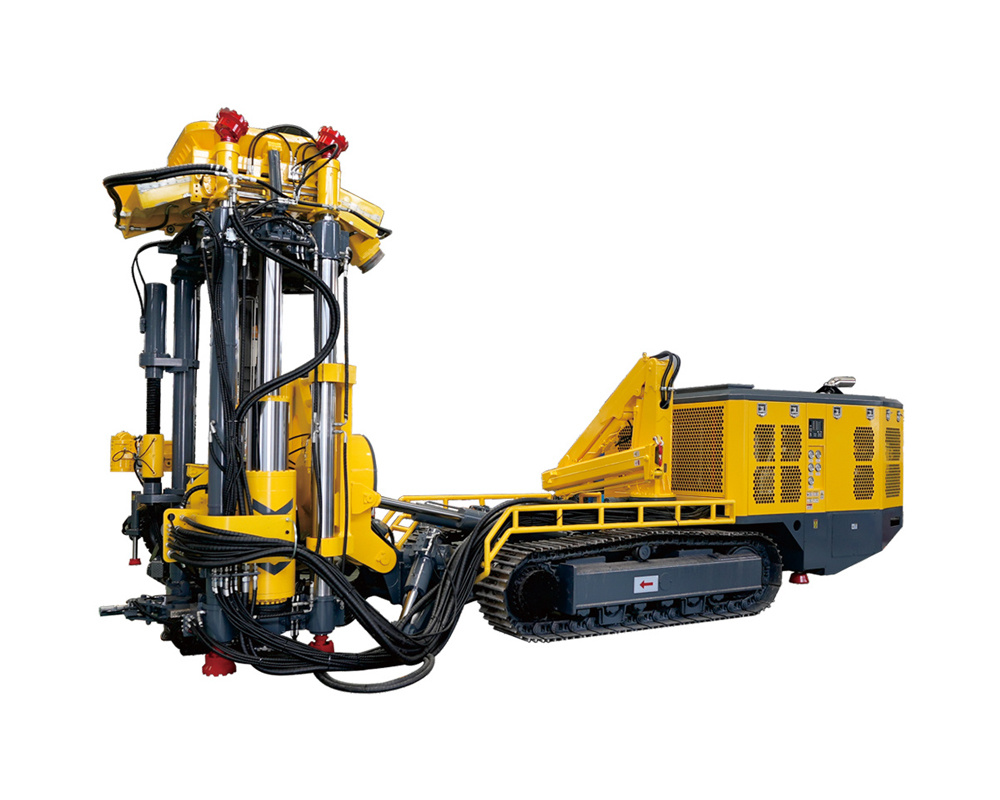
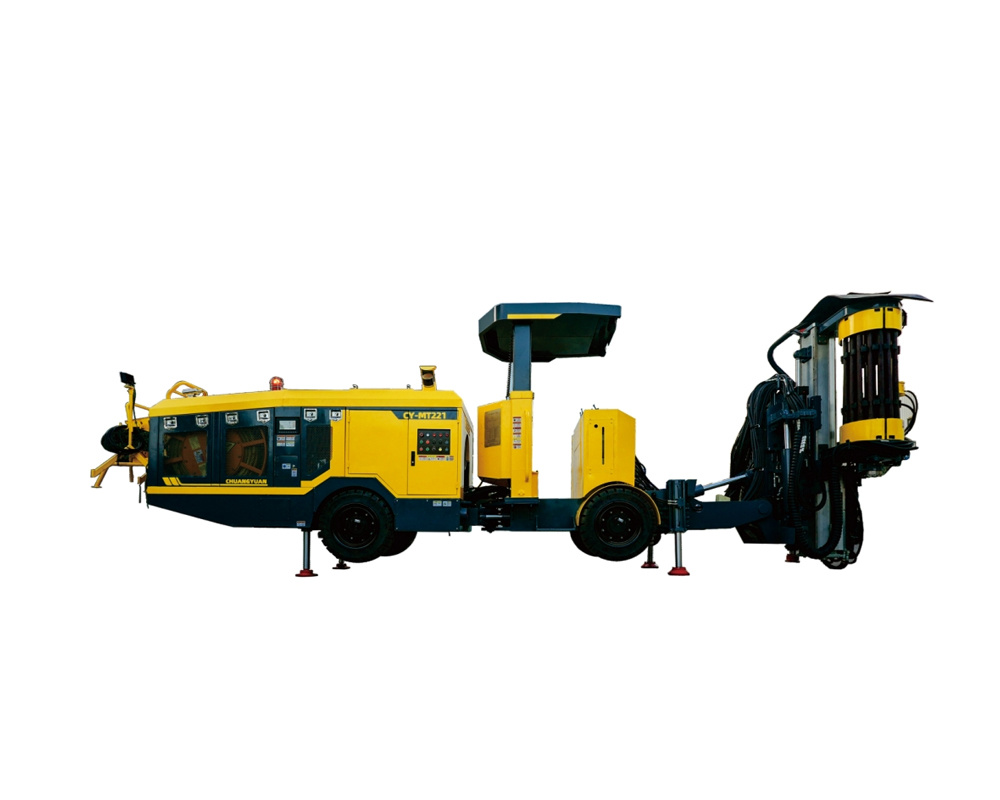
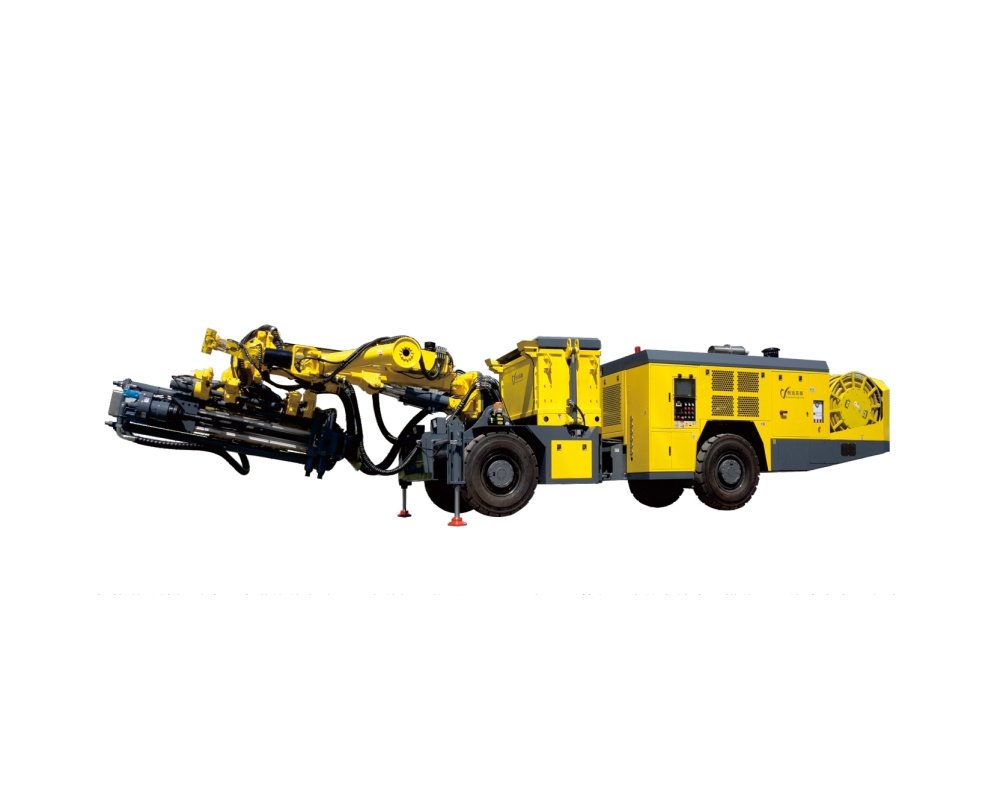
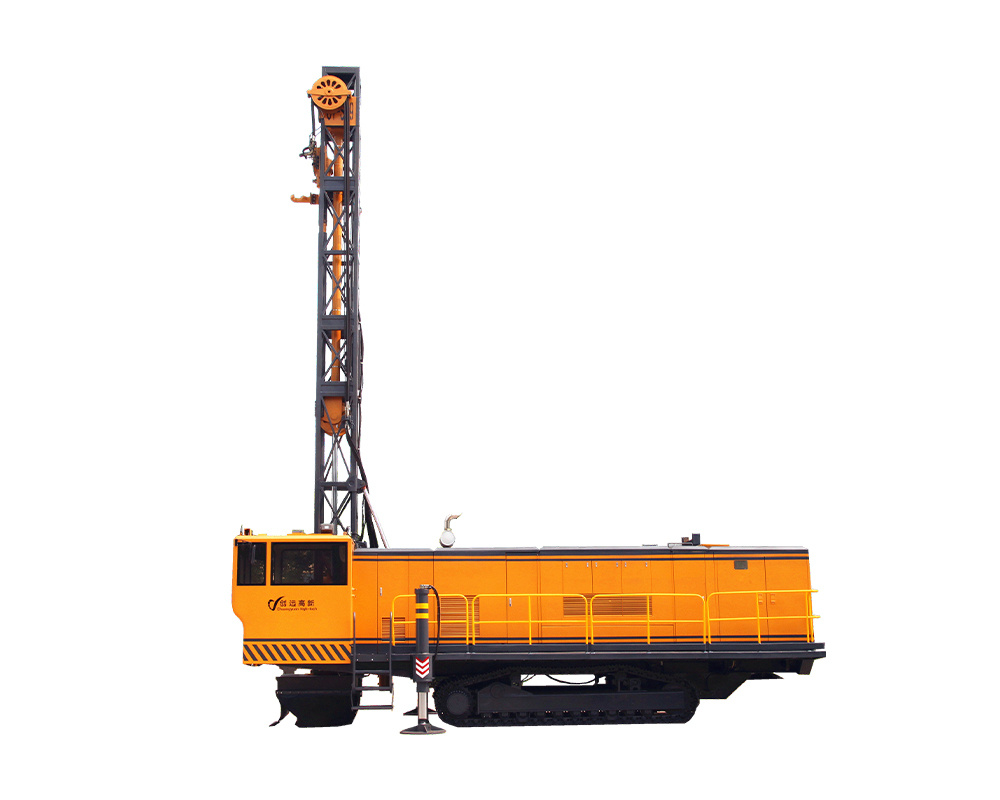
Raise boring machines are specialized drilling devices used to create vertical or inclined shafts in underground mines. Unlike traditional drilling methods, which can be hazardous and inefficient, RBMs utilize a unique process that allows for precision drilling and minimal disturbance to the surrounding environment. The machine operates by drilling a pilot hole and then reaming it to the final diameter, making it ideal for creating ventilation shafts, ore passes, and other critical infrastructure in mining operations.
3. History of Raise Boring Technology
The history of raise boring technology dates back to the 1950s when demand for safer underground excavations prompted innovations in drilling techniques. Early RBMs were bulky and required significant manual labor. However, advancements in engineering and technology have led to the development of more compact, automated machines that can operate with minimal human intervention. Today, RBMs are used globally, from small-scale operations to large mining projects, showcasing the evolution of underground excavation methods.
4. Advantages of Using Raise Boring Machines
The adoption of raise boring machines offers numerous **advantages** to mining operations:
4.1 Enhanced Safety
RBMs significantly reduce the risks associated with traditional drilling methods. The enclosed design protects workers from falling rock and other hazards, minimizing accidents and injuries on-site.
4.2 Improved Efficiency
Raise boring machines operate with precision, allowing for faster drilling rates and less downtime. The ability to drill and ream simultaneously streamlines operations, resulting in substantial cost savings.
4.3 Environmental Benefits
With a smaller environmental footprint compared to conventional drilling techniques, RBMs generate less waste and disturbance to the surrounding ecosystem. This makes them a more sustainable choice for modern mining operations.
4.4 Increased Accuracy
The precision of RBMs ensures that shafts are drilled exactly where needed, reducing the risk of costly errors and rework. This accuracy is crucial for maintaining the integrity of underground structures.
5. Applications of Raise Boring Machines in Mining
Raise boring machines are versatile tools used in various mining applications, including:
5.1 Ventilation Shafts
Creating ventilation shafts is critical for maintaining air quality in underground mines. RBMs efficiently drill these shafts, ensuring that miners have access to fresh air.
5.2 Ore Passes
Ore passes facilitate the transportation of extracted minerals from higher levels to lower levels within the mine. RBMs are ideal for constructing these passes due to their precision and efficiency.
5.3 Dewatering Shafts
In mines where groundwater is an issue, dewatering shafts are essential for managing water levels. RBMs provide a reliable solution for creating these functional shafts.
5.4 Geotechnical Investigations
RBMs can also be utilized for geotechnical investigations, allowing engineers to gather critical data about rock formations and ground stability before proceeding with larger excavation projects.
6. Technical Aspects of Raise Boring Machines
Understanding the technical aspects of raise boring machines is vital for maximizing their effectiveness in underground excavation. Key components include:
6.1 Drilling Head
The drilling head is equipped with various types of bits designed for different rock formations. The choice of bit impacts the efficiency and speed of the drilling process.
6.2 Reaming Tools
Reaming tools expand the pilot hole to the desired diameter. This stage is crucial for ensuring that the final shaft meets the required specifications for its intended use.
6.3 Control Systems
Modern RBMs are equipped with advanced control systems that allow for remote operation and monitoring. These systems improve precision and reduce the need for manual intervention.
6.4 Power Supply
Raise boring machines may operate on electric or hydraulic power sources, with each option having its advantages and limitations. The choice of power supply can influence the machine's adaptability to various site conditions.
7. Future Trends in Raise Boring Technology
As technology continues to advance, the future of raise boring machines looks promising. Key trends include:
7.1 Automation and Robotics
The integration of automation and robotics into RBM operations is expected to enhance efficiency further. Automated systems can reduce human error and increase drilling speed.
7.2 Improved Data Analytics
Modern RBMs will increasingly rely on data analytics to optimize performance. Real-time data can inform operators of drilling conditions, allowing for adjustments that enhance efficiency and safety.
7.3 Sustainable Practices
With a growing emphasis on sustainability, future RBMs will likely incorporate eco-friendly technologies and practices to reduce their environmental impact, aligning with global sustainability goals.
8. FAQs
8.1 What is the primary function of raise boring machines?
Raise boring machines are primarily used to create vertical or inclined shafts in underground mines, which are essential for various applications such as ventilation and ore transportation.
8.2 How do raise boring machines improve worker safety?
RBMs improve worker safety by minimizing manual labor and providing an enclosed drilling environment, reducing exposure to hazards associated with traditional drilling methods.
8.3 Are raise boring machines environmentally friendly?
Yes, raise boring machines have a smaller environmental footprint compared to conventional drilling methods, generating less waste and disturbance to the surrounding environment.
8.4 What are the key components of a raise boring machine?
Key components include the drilling head, reaming tools, control systems, and power supply, each playing a vital role in the efficiency and effectiveness of the operation.
8.5 What is the future of raise boring technology?
The future of raise boring technology includes advancements in automation, improved data analytics, and a focus on sustainable practices to meet the evolving demands of the mining industry.
9. Conclusion
Raise boring machines represent a significant advancement in underground excavation technology, offering numerous benefits in terms of safety, efficiency, and environmental sustainability. As the mining industry continues to evolve, these machines will play an increasingly vital role in meeting the challenges of modern mining operations. By embracing the innovations and capabilities of RBMs, companies can ensure improved outcomes for their projects while prioritizing the safety of their workforce and the environment.
Related Recommendations
Contact Information
Service Hotline:
400-873-5166
Email:
hncy9988@126.com
Address:
Building C-3, Huanchuang Park, No. 2450, Yuelu West Avenue, Changsha Hi-Tech Development Zone, China

What can we help you find?
Address: Building C3, Huanchuang Enterprise Plaza, 2450 Yuelu Avenue West, Changsha, Hunan Province, P.R.C.
Copyright © 2025 Hunan Chuangyuan HIGH-TECH Machinery Co., Ltd.