
-
-
-
-
Service
-
Contact Us

Open Pit Mining Drilling Equipment: Flexible Raise Boring for Changing Mine Conditions
2026-09-18
Adapting Drilling Equipment to Real Mining Environments
Mining projects rarely operate under completely identical conditions. Access routes, working areas, transportation arrangements, and underground construction requirements can vary from one site to another. For this reason, drilling equipment needs to provide not only dependable working capability but also practical mobility. Open pit mining drilling equipment is often associated with demanding construction environments, yet the same principle of adaptability is important when drilling systems need to move between different operating areas and work with changing site conditions.
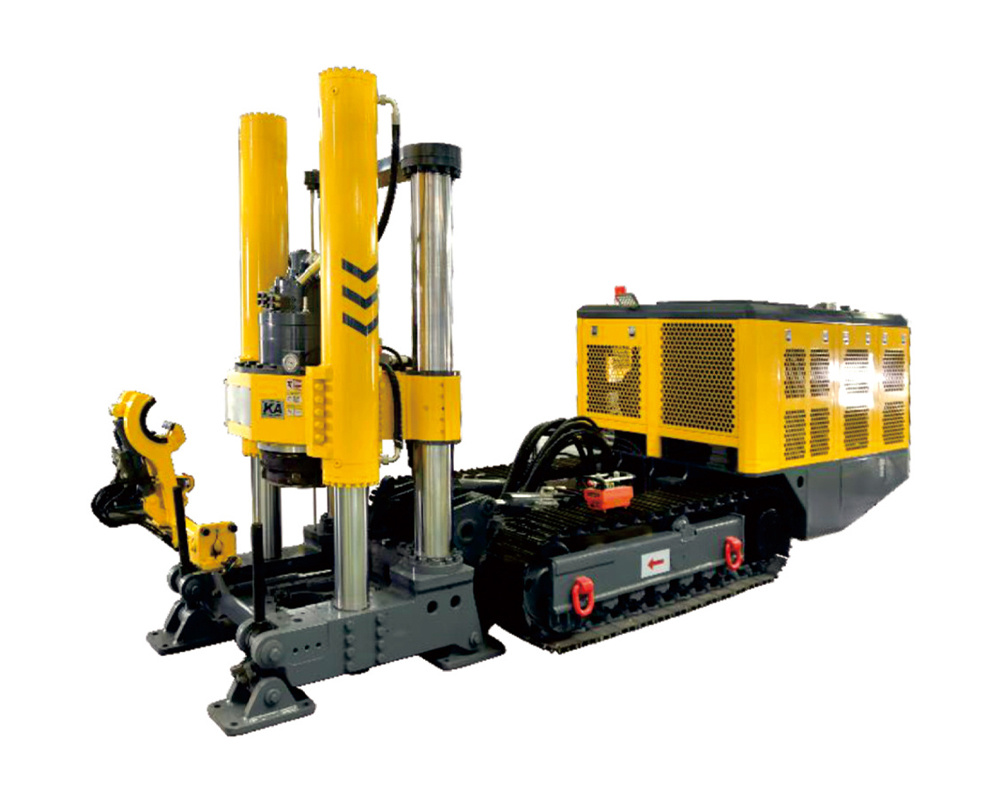
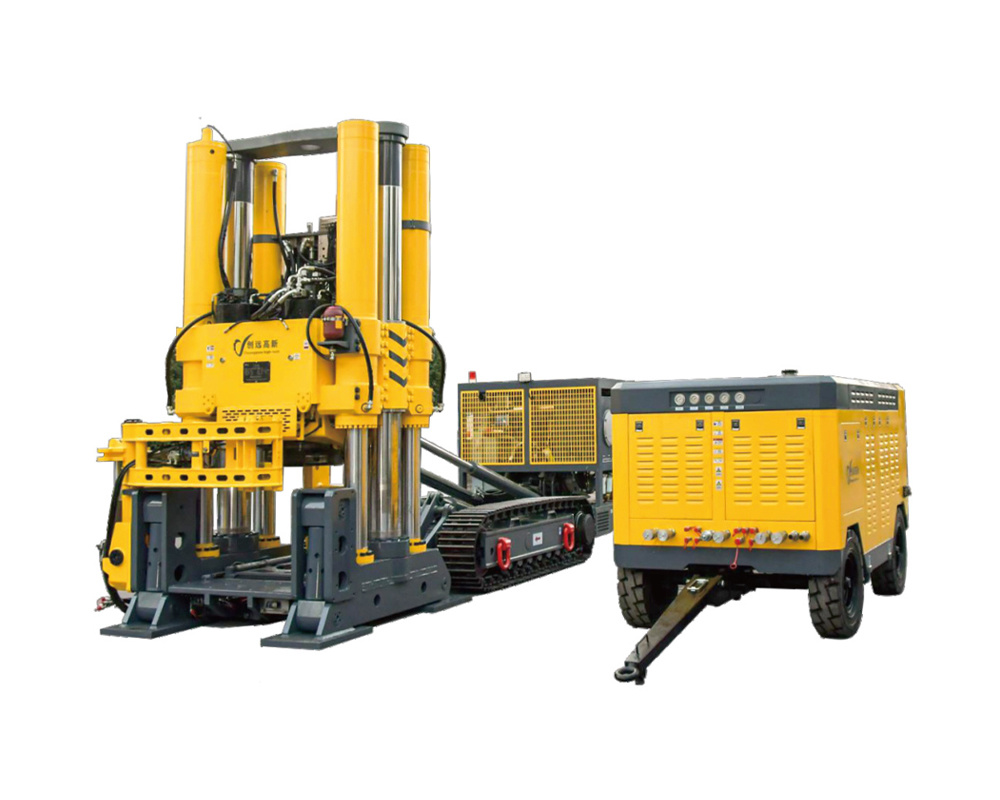
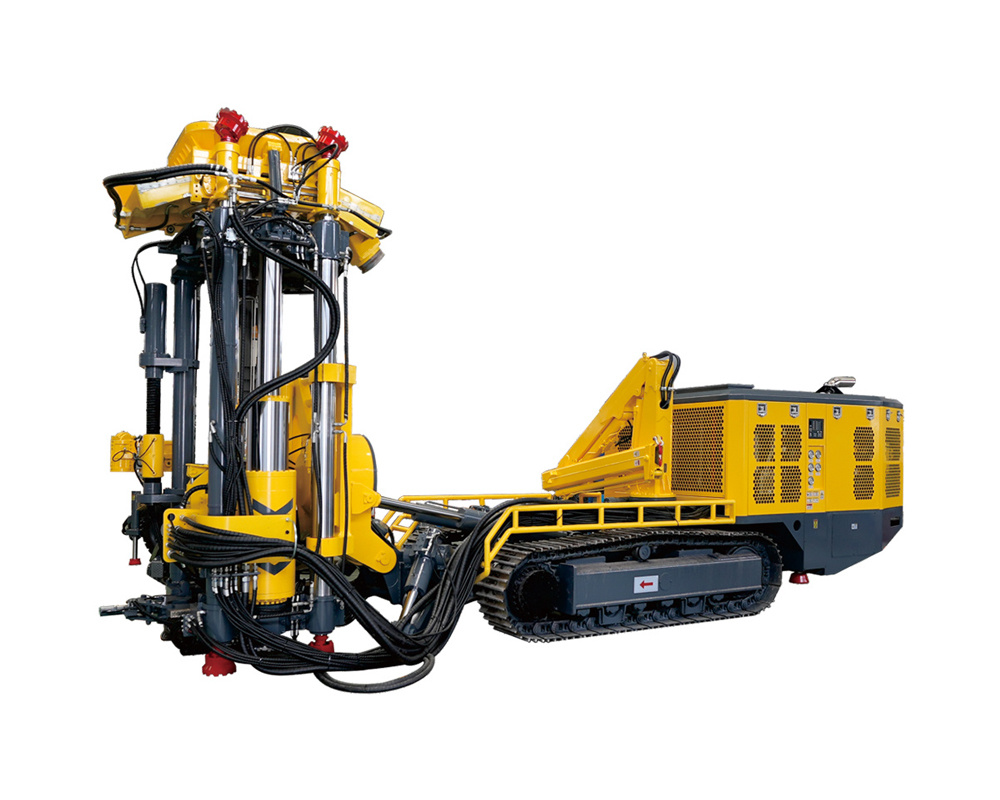
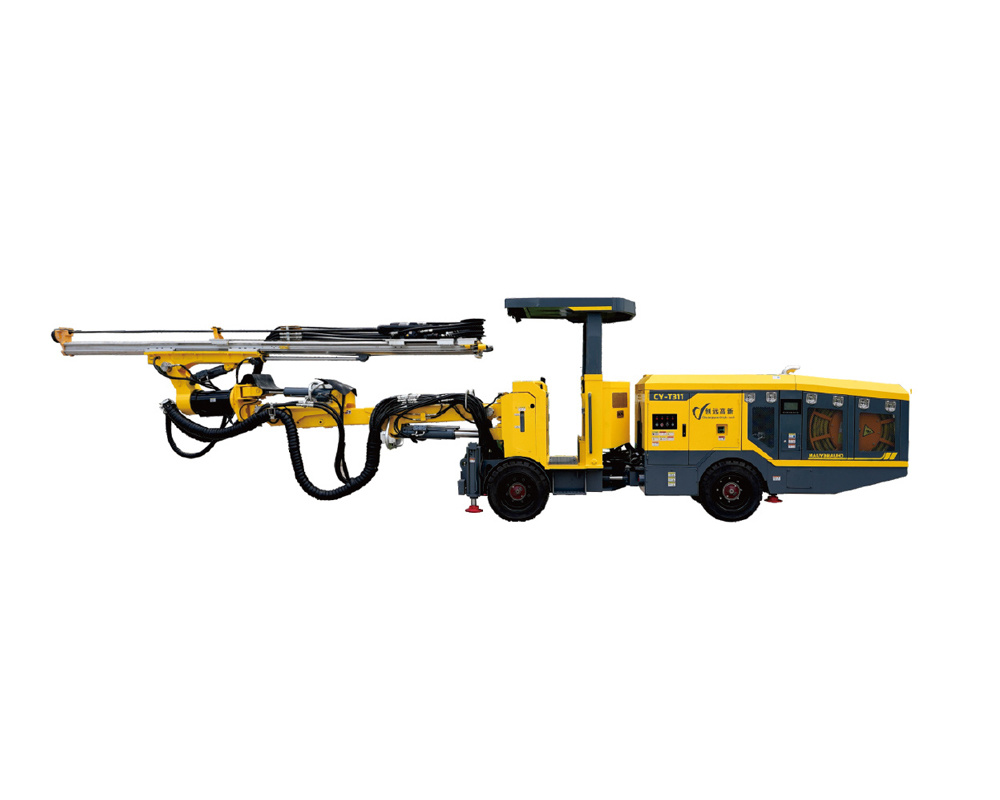
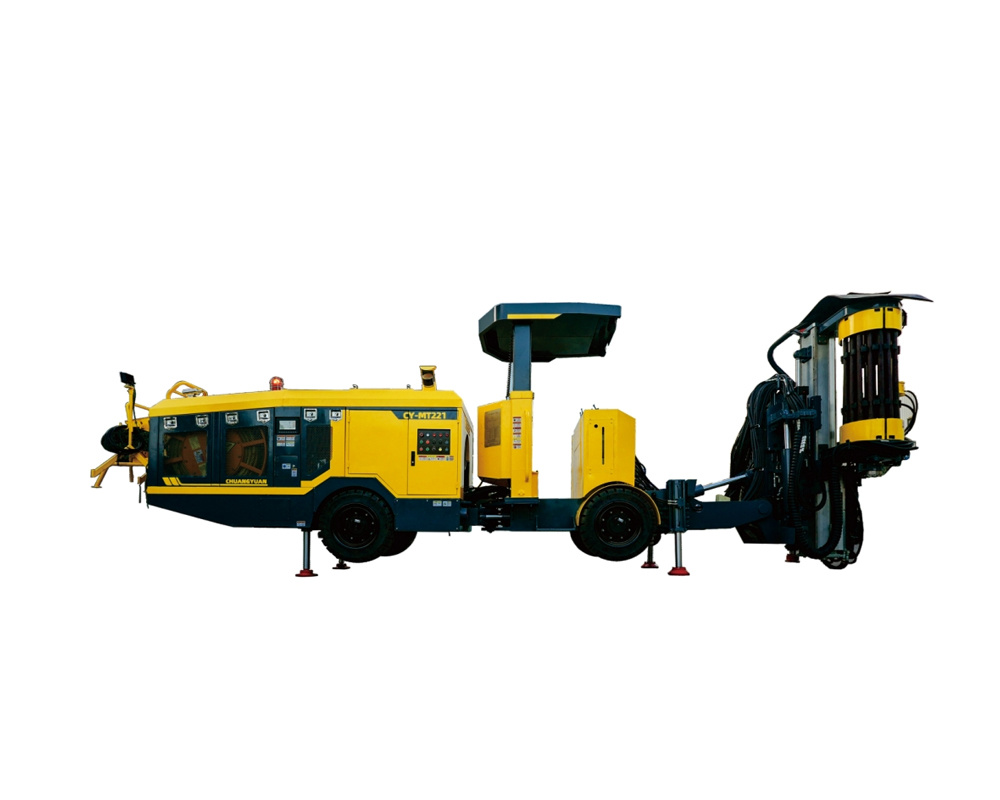
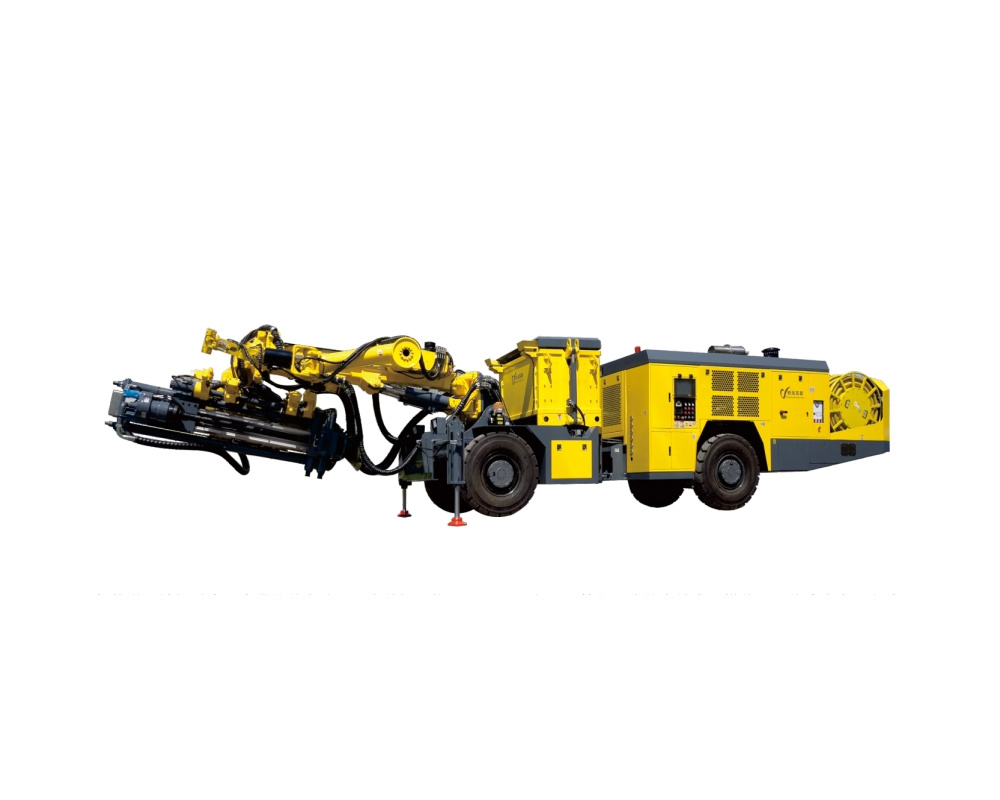
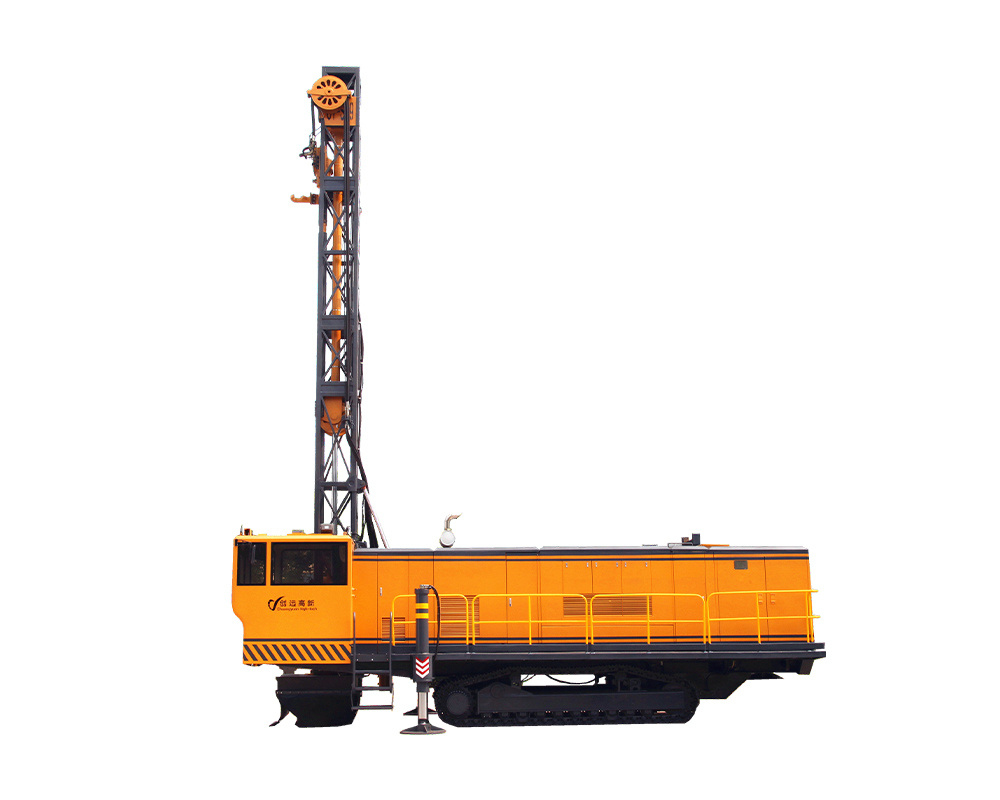
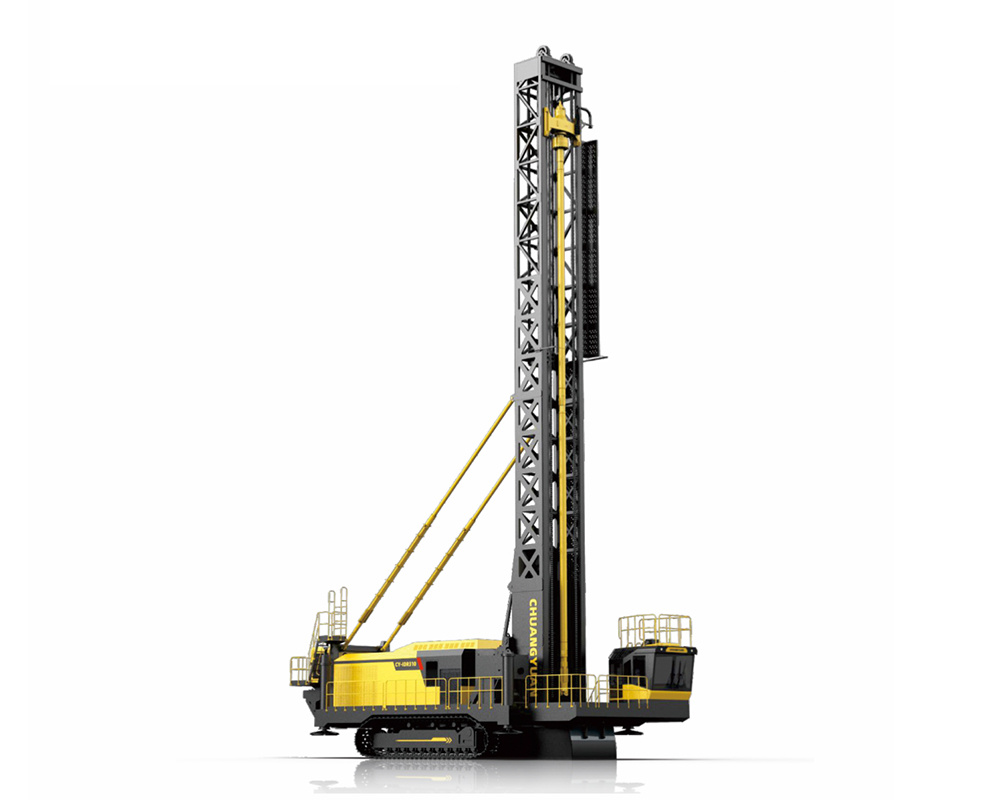
The Tyre Type Raise Boring Machine is designed around this practical requirement. Developed for small- and medium-sized underground mines that may use both rail and non-rail transportation systems, the machine adopts a wheeled locomotion structure with a diesel power unit. This approach allows the equipment to relocate without depending entirely on a fixed rail route, making movement between working areas more convenient. For mining operations where access conditions can change during construction, mobility can become an important part of the overall equipment design.

A Raise Boring Machine Built Around Mobility
Raise boring is closely connected with shaft and underground construction work, where the drilling system needs to operate within a defined working environment while maintaining a practical relationship with the surrounding mine infrastructure. A machine that can move according to site requirements can provide greater flexibility during project organization. The tyre-mounted structure of this model gives the equipment a non-rail mobility option, while the diesel power unit supports its independent relocation and construction operations.
Another notable design feature is the optional rail-wheel switching device. When required, this configuration allows the machine to switch between rail-based and non-rail-based operating scenarios through a simplified control process. Instead of requiring the equipment to remain limited to one transportation method, the design considers the reality that underground mines may contain different access arrangements. This adaptability can be particularly useful when a project needs to coordinate equipment movement with existing rail infrastructure as well as areas where rail access is unavailable.
The concept is straightforward but meaningful: drilling equipment should adapt to the mine rather than forcing every part of the mine operation to follow one fixed transportation method. By combining tyre-based movement with an optional rail-wheel switching arrangement, the Tyre Type Raise Boring Machine provides a more flexible approach to equipment relocation and construction planning.
Engineering Focused on Practical Construction
Innovation in heavy mining machinery is not always about adding complicated functions. Sometimes, it comes from identifying an operational difficulty and designing the machine around it. In this case, the challenge is the coexistence of rail and non-rail working conditions. A conventional single-mode mobility arrangement may not be equally convenient across different sections of a mine, while a more adaptable structure can help simplify equipment movement.
The wheeled design also reflects the importance of considering the complete construction process rather than only the drilling operation itself. Before drilling begins, equipment must reach the working location. During a project, its position may need to change according to construction arrangements. After one stage is completed, relocation may become necessary for the next working area. A machine designed with mobility in mind can therefore contribute to a more coordinated workflow.
For operators and project planners, this type of flexibility also creates room for different site arrangements. The actual suitability of a drilling machine still depends on geological conditions, mine layout, construction requirements, and other project-specific factors. A professional technical assessment remains important before selecting equipment for a particular operation.
Quality Begins Behind the Finished Machine
The reliability of heavy mining equipment depends on more than the final appearance of the completed machine. Manufacturing requires coordination between structural components, power systems, mobility mechanisms, drilling-related assemblies, control elements, and other supporting parts. A controlled production process generally begins with material preparation and component inspection before moving into machining, fabrication, assembly, and functional checks.
For a large mechanical system, accurate assembly is particularly important because different components must work together as one complete machine. Structural parts need to be properly prepared, mechanical assemblies need to be fitted according to the design, and electrical and power-related components need to be checked during the assembly process. Attention to these details helps create a finished machine that is ready for subsequent inspection and operational preparation.
Quality control should continue throughout manufacturing rather than being treated as a single final step. Visual inspection, component verification, assembly checks, and functional testing can help identify potential issues before equipment leaves the production environment. For mining machinery, where equipment is expected to operate in demanding construction surroundings, this process-oriented approach is an important part of responsible manufacturing.
Balancing Durability, Mobility, and Service
A mining machine is part of a larger project, and its value is closely related to how well it fits the working environment. The Tyre Type Raise Boring Machine focuses on a practical combination of mobility and construction adaptability. Its tyre-based movement provides a non-rail option, while the optional rail-wheel switching device addresses projects where rail and non-rail conditions may both exist.
This design philosophy also reflects the importance of listening to actual users. Mining operations can have different infrastructure arrangements, and equipment requirements may change as construction progresses. A manufacturer that understands these differences can provide more meaningful technical communication instead of treating every project as identical. Discussing mine layout, access conditions, transportation requirements, and intended construction work before equipment selection can help establish a more suitable solution.
Long-term value also depends on service. Technical support, equipment guidance, spare-part communication, maintenance advice, and responsive customer service can all influence the practical experience of using heavy machinery. For this reason, a strong product offering should not end when the machine leaves the factory. A service-oriented approach helps create a clearer connection between equipment design and the customer's actual working requirements.
A More Flexible Approach to Raise Boring
The Tyre Type Raise Boring Machine demonstrates how a relatively focused design decision can address a real challenge in underground mining equipment mobility. By combining wheeled locomotion, a diesel power unit, and an optional rail-wheel switching device, the machine is designed to accommodate both rail-based and non-rail-based operating scenarios. This makes adaptability a central part of its design rather than an afterthought.
For companies evaluating Open pit mining drilling equipment or related raise boring solutions, the right choice should begin with the actual conditions of the project. Mine access, transportation arrangements, working locations, geological requirements, and construction planning all deserve consideration. Instead of selecting equipment based only on a general specification list, it is useful to discuss the complete application with a professional supplier.
If you are considering a raise boring project or need equipment capable of adapting to different mine transportation conditions, you can contact the supplier to learn more about the Tyre Type Raise Boring Machine, its operating approach, available configurations, and application suitability. Clear technical communication at the beginning of a project can help connect equipment design with real construction needs and support a more practical mining workflow.
Related Recommendations
Contact Information
Service Hotline:
400-873-5166
Email:
hncy9988@126.com
Address:
Building C-3, Huanchuang Park, No. 2450, Yuelu West Avenue, Changsha Hi-Tech Development Zone, China

What can we help you find?
Address: Building C3, Huanchuang Enterprise Plaza, 2450 Yuelu Avenue West, Changsha, Hunan Province, P.R.C.
Copyright © 2025 Hunan Chuangyuan HIGH-TECH Machinery Co., Ltd.